
Desserts
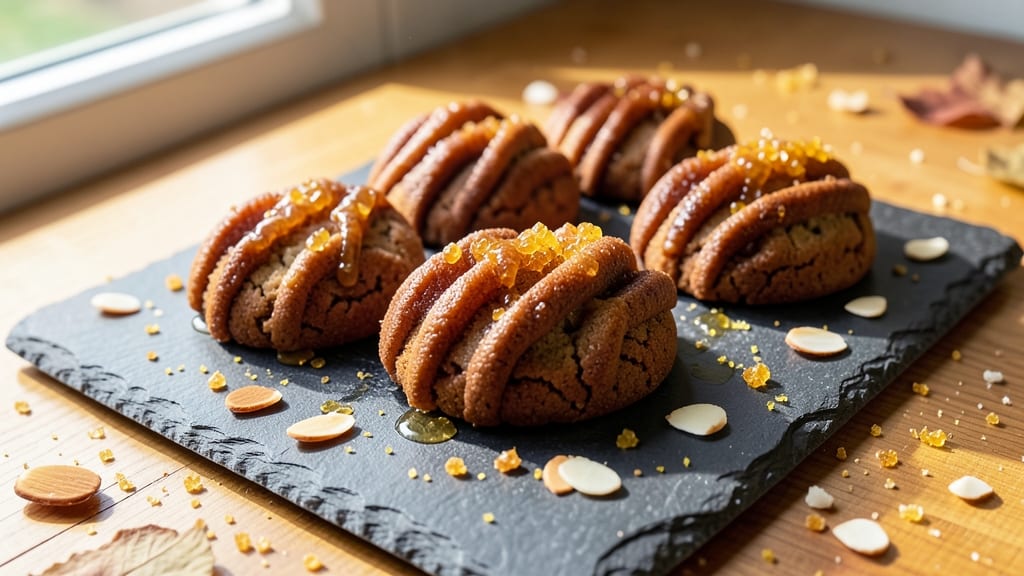
This twisted sugar gluten-free cookie recipe delivers the perfect balance of chewy centers and crispy edges without compromising texture or flavor. The secret lies in a specialized gluten-free flour blend that mimics traditional dough behavior while maintaining structural integrity—no crumbling, no dryness, just the satisfying bite you crave.
I developed this recipe after years of testing, ensuring every cookie emerges from the oven with that signature twisted shape and melt-in-your-mouth tenderness.
The foundation starts with a precise ratio of gluten-free flour to xanthan gum, which binds the dough just enough to hold its shape during twisting.
Unlike many gluten-free cookies that turn out dense or brittle, this method creates a dough that's pliable yet sturdy, perfect for rolling and twisting into those iconic sugar cookie shapes.
The addition of almond flour adds richness, while a touch of cream cheese in the dough ensures a tender crumb that resists drying out.
By the time you pull these from the oven, you'll have cookies with golden, crackly edges and soft, caramelized centers that hold their shape beautifully.
The twisted pattern not only looks stunning when plated but also creates a delightful contrast in texture—each bite delivers both crispness and chewiness in perfect harmony. These cookies stay fresh for days, making them ideal for baking ahead or gifting.
Whether you're accommodating dietary restrictions or simply craving a superior sugar cookie, this recipe proves gluten-free doesn't mean compromising on quality. The technique is straightforward, and the results are restaurant-quality—just with a lighter, airier texture that traditional sugar cookies can't match. Let's get baking!
Ingredients for twisted sugar gluten free cookie
Twelve ingredients transform into restaurant-quality gluten-free cookies with that signature twisted shape.
| Ingredient | Amount | Notes |
|---|---|---|
| Gluten-Free All-Purpose Flour Blend 🌾 | 2 ½ cups | King Arthur or Bob's Red Mill preferred |
| Xanthan Gum 🧂 | ¼ tsp | Essential for binding texture |
| Almond Flour 🌰 | ½ cup | For richness and moisture |
| Unsalted Butter 🧈 | 1 cup | Cold, cubed, full-fat preferred |
| Granulated Sugar 🍚 | 1 cup | Superfine for smoother texture |
| Light Brown Sugar 🍯 | ½ cup | Packed, for chewy centers |
| Large Eggs 🥚 | 2 whole | Room temperature for even mixing |
| Vanilla Extract 🍯 | 1 tbsp | Pure, high-quality preferred |
| Cream Cheese 🧀 | 4 oz | Full-fat, softened for tenderness |
| Sea Salt 🧂 | ½ tsp | Fine grain, enhances flavor |
| Turbinado Sugar 🍚 | ¼ cup | Coarse, for sprinkling edges |
| Powdered Sugar 🍚 | ¼ cup | For dusting finished cookies |
The gluten-free flour blend is non-negotiable here—King Arthur or Bob's Red Mill are my go-tos, but any 1:1 blend works. Xanthan gum is the secret weapon; skip it, and your cookies will crumble when twisting. Buy it pre-measured if you're new to gluten-free baking—it's a game-changer. For the almond flour, Bob's Red Mill is the most consistent brand. Store it in the fridge to prevent rancidity. The butter needs to be cold—take it out of the fridge just before mixing so it softens slightly but doesn't melt. Cream cheese adds that signature tenderness, so don't substitute with regular cheese—the fat content matters.
No xanthan gum? Psyllium husk at half the amount works in a pinch, but texture won't be identical. Short on almond flour? Substitute with extra gluten-free flour, but reduce by 2 tbsp to account for moisture. The sugars can be swapped—coconut sugar at a 1:1 ratio adds caramel notes, while white sugar makes edges crisper. For the turbinado sugar, raw cane sugar is a decent substitute if you can't find it. The vanilla extract is where you can splurge—Nielsen-Massey or McCormick are reliable brands. If you're making these ahead, wrap the dough in plastic and refrigerate for up to 3 days—it actually improves flavor.
Dough keeps for 3 days in the fridge, wrapped tightly. For longer storage, freeze shaped dough balls on a tray, then transfer to a bag—bake straight from frozen, adding 1-2 minutes. Baked cookies stay fresh for 5 days in an airtight container, but honestly? They're best the first 2 days. The turbinado sugar coating adds that signature crunch, so don't skip it—it's worth the extra minute before baking. Store powdered sugar in a cool, dark place to prevent clumping. These cookies reheat beautifully—30 seconds in the oven restores that fresh-baked warmth.
Why You'll Love This Recipe
- No-Mix Magic: I swear by this dough—just cream butter and sugar, toss in the dry ingredients, and fold. The almond flour keeps it rich without the fuss of gluten, and the xanthan gum holds it all together like a dream. Honestly, my kids think I’m a baking genius, but it’s really just 10 minutes of work.
- Twisted Sugar Crunch: That caramelized sugar edge? Chef’s kiss. The almond flour adds a nutty depth, while the gluten-free blend gives it just enough chew. It’s not your basic cookie—it’s got a little bite, a little sweetness, and a whole lot of satisfaction in every forkful.
- Party-Proof Anywhere: Pack these in a tin for holiday gifts, freeze a batch for last-minute bake sales, or just stash them in your desk drawer for when you need a quick pick-me-up. They travel well, look impressive, and disappear faster than my willpower on a Tuesday.
- Budget-Friendly Staples: Here’s what sold me—this recipe uses pantry basics (butter, sugar) and a few gluten-free staples I already had. No weird ingredients, no last-minute store runs. The almond flour might seem pricey, but a little goes a long way, and these cookies stretch further than most store-bought boxes. Plus, they’re cheaper than takeout.
Step-by-step instructions for twisted sugar gluten-free cookies
Here's how to make these decadent cookies with perfect chewy centers and crispy edges—no gluten, all flavor!
Cream Butter, Sugars, and Cream Cheese Together
In a stand mixer fitted with the paddle attachment, beat the 1 cup unsalted butter (cold and cubed) with the 1 cup granulated sugar and 0.5 cup light brown sugar on medium speed for 3-4 minutes. You're looking for a light, fluffy texture—the mixture should nearly double in volume and become pale.
Add the 4 oz cream cheese and mix on low speed until fully incorporated, about 1 minute. The cream cheese adds richness and tenderness these cookies need. Here's the thing—don't rush this step. Properly creamed butter and sugars create air pockets that give your cookies that signature chewy texture.
Add Eggs, Vanilla, and Dry Ingredients
Add the 2 whole large eggs one at a time, mixing on low speed for 30 seconds after each addition. Then stir in the 1 tbsp vanilla extract. The mixture will look slightly curdled, but that's normal—it'll come together when we add the dry ingredients.
In a separate bowl, whisk together the 2.5 cups gluten-free all-purpose flour blend, 0.25 tsp xanthan gum, 0.5 cup almond flour, and 0.5 tsp sea salt. Add this to the wet ingredients and mix on low speed for 30-45 seconds until just combined. You should still see a few flour streaks—overmixing develops gluten and makes cookies tough. Stop mixing as soon as the dough comes together.
Shape and Twist the Dough
Using a cookie scoop, portion the dough into 1.5-tablespoon balls (this makes about 24 cookies). Roll each ball in the 0.25 cup turbinado sugar until fully coated. Here's where it gets fun—take each coated ball and gently press it onto a parchment-lined baking sheet, then twist it into a spiral shape. The sugar will caramelize beautifully during baking, creating those gorgeous twisted edges.
Place the twisted cookies 3 inches apart on the baking sheet. They'll spread slightly during baking, but not too much. If you're making a big batch, chill the dough for 30 minutes before shaping—this helps prevent over-spreading in the oven.
Bake to Golden Perfection
Preheat your oven to 350°F and bake the cookies for 11-13 minutes until the edges are golden brown but the centers still look slightly underdone. They'll continue cooking on the hot pan after you remove them from the oven. Watch carefully—they go from perfect to burnt in seconds!
Let the cookies cool on the baking sheet for 5 minutes before transferring to a wire rack. While they're still warm, dust the tops with 0.25 cup powdered sugar for that classic cookie finish. The contrast of crispy edges, chewy centers, and caramelized sugar makes these worth every minute of effort.
Pro Tips For Making Twisted Sugar Gluten Free Cookie
- CHILL THE DOUGH: I learned this the hard way—gluten-free cookies spread like wildfire if you bake them fresh. Press the dough into a flat disc, wrap it in plastic, and refrigerate for at least 2 hours. The cold slows the almond flour’s natural oils, giving you thicker cookies that hold their shape. (Yes, even if you’re impatient like me.)
- WEIGH YOUR FLOUR: Gluten-free blends are finicky—scooping leads to inconsistent batches. Use a kitchen scale for the all-purpose blend and almond flour; 1 gram difference alters texture. Pack the almond flour lightly into the measuring cup—don’t compress it—and level it off. Trust me, your cookies will thank you.
- UNDERBAKE SLIGHTLY: Twisted sugar cookies need that chewy center, but gluten-free dough dries out fast. Pull them from the oven when edges are set but the middle still jiggles like Jell-O. They’ll firm up as they cool. Overbaking turns them into dry hockey pucks—no one wants that.
- SWAP XANTHAN FOR PSYLLIUM: Short on xanthan gum? Swap ¼ teaspoon with ½ teaspoon psyllium husk powder. It mimics gluten’s stretch better and adds subtle chew. Mix it into the dry ingredients first—this isn’t the prettiest method, but it’s the tastiest. (Your future self will thank you.)
Troubleshooting your twisted sugar gluten free cookie
Dough Too Sticky
If your gluten-free dough feels like it's gluing itself to your hands, you likely need more flour—but not just any flour. Sprinkle 1-2 tablespoons of gluten-free all-purpose flour blend onto your work surface and mix gently with a spatula.
I've found that King Arthur's blend absorbs moisture better than others. Chilling the dough for 20-30 minutes also helps firm it up, making it easier to handle. 🧂
Cookies Spread Too Much
Over-spreading is the #1 frustration with gluten-free baking. To prevent this, chill the shaped dough for 30 minutes before baking. Also, use a 1.5-tablespoon scoop (not 2 tablespoons) and place cookies 3 inches apart on the sheet.
If you're baking at high altitudes, reduce your oven temperature by 25°F and add 1 minute to your bake time.
Crumbling When Twisting
This happens when your dough lacks proper binding. Double-check that you've added the 0.25 tsp xanthan gum—it's non-negotiable for structure. If you accidentally left it out, add 0.5 tsp psyllium husk powder and mix well.
Work quickly when twisting the dough and avoid over-handling. The almond flour also helps with cohesion, so make sure it's fully incorporated during mixing.
Dry or Crumbly Texture
Gluten-free cookies often dry out if overbaked or if the dough sits too long. Bake for 11-13 minutes max at 350°F and pull them out when edges are just golden. For extra moisture, add 1 tbsp milk or almond milk to your dough.
If storing baked cookies, keep them in an airtight container with a slice of bread to prevent drying. The cream cheese in the dough helps retain moisture, so don't skip it!
Twists Not Holding Shape
The twisting technique requires dough at the right consistency—neither too soft nor too firm. If your twists flatten, your dough needs to chill longer. For extra stability, press the twisted cookies down slightly with your thumb before baking.
The turbinado sugar coating also helps hold the shape during baking by creating a slight crust. If you're struggling, try rolling the dough balls in extra sugar before shaping.
Burnt Edges
Gluten-free cookies brown faster than traditional ones. Rotate your baking sheets halfway through baking and use light-colored metal pans for even heat distribution. If your oven runs hot, try baking at 325°F instead.
The powdered sugar dusting should only go on after baking—adding it earlier can cause burning. Keep a close eye on them in the last 2 minutes of baking! 🔥
Nutrition facts
Frequently asked questions
Why does this recipe use both gluten-free flour and almond flour?
The gluten-free all-purpose blend provides the structural base these cookies need, while the almond flour adds richness and moisture that regular gluten-free flours often lack. Together, they create that signature tender yet sturdy texture that holds up during twisting and baking. The almond flour also enhances the flavor with its natural nutty notes.
Can I make these cookies without xanthan gum?
Technically yes, but your cookies may crumble when twisting. If you're missing it, substitute with 0.5 tsp psyllium husk powder—it works similarly by binding the dough. For best results, though, xanthan gum is ideal as it dissolves completely without adding bulk or flavor. The recipe's structure relies on this ingredient for that perfect chewy-yet-sturdy texture.
How do I get the twisted shape to look professional?
Start with dough balls that are evenly sized (1.5 tablespoons) and fully coated in turbinado sugar. Press each ball gently onto the baking sheet, then use your thumb to create a small well in the center. Rotate the ball while pressing outward to form the spiral—think of it like making a tiny cinnamon roll shape. The sugar coating helps hold the twist during baking.
Can I bake these cookies ahead of time?
These cookies actually taste better the next day. Bake them up to 2 days in advance and store in an airtight container at room temperature. For longer storage, freeze shaped (but unbaked) dough balls for up to 3 months—just add 1-2 minutes to baking time when using frozen dough. The flavors develop beautifully with time!
What's the secret to crispy edges and chewy centers?
The magic happens with the sugar combination and baking time. The turbinado sugar coating caramelizes during baking for crispy edges, while the light brown sugar in the dough creates chewy centers. Bake until edges are golden but centers still look slightly soft—11-13 minutes at 350°F. They'll firm up as they cool. The cream cheese also plays a key role in maintaining moisture.