

It started with one cookie sheet that kept burning the edges
The first time I baked my grandmother’s *galletas de mantequilla*—the ones with the buttery criss-cross pattern—it happened again. The edges were dark brown, almost black, while the center stayed pale and doughy.
I pulled them out at 350°F after 12 minutes, just like the recipe said, but the oven’s hot spot had turned them into a crispy border with a raw middle. The kitchen smelled like smoke, and the cookies looked like they’d been charred by accident.
I’d tried adjusting the rack position, rotating the sheet halfway, even using a second one at the same time. Nothing worked. The oven’s thermostat was fine; the problem wasn’t the heat—it was the way the heat *moved*. Every batch, the edges singed before the centers could set.
I’d watch the timer, hold my breath, and pull them out too late, or too soon, and they’d either collapse or stay doughy.
It was December in a small apartment in Medellín, the kind with thin walls and a kitchen that stayed warm even when no one was cooking.
My grandmother had always baked in a cooler, slower house, and I was learning the hard way that altitude and humidity don’t just change the weather—they change how food behaves. That sheet of cookies was my first lesson: recipes aren’t just steps.
They’re a conversation with the tools and the place you’re in.
Nine tries before it worked
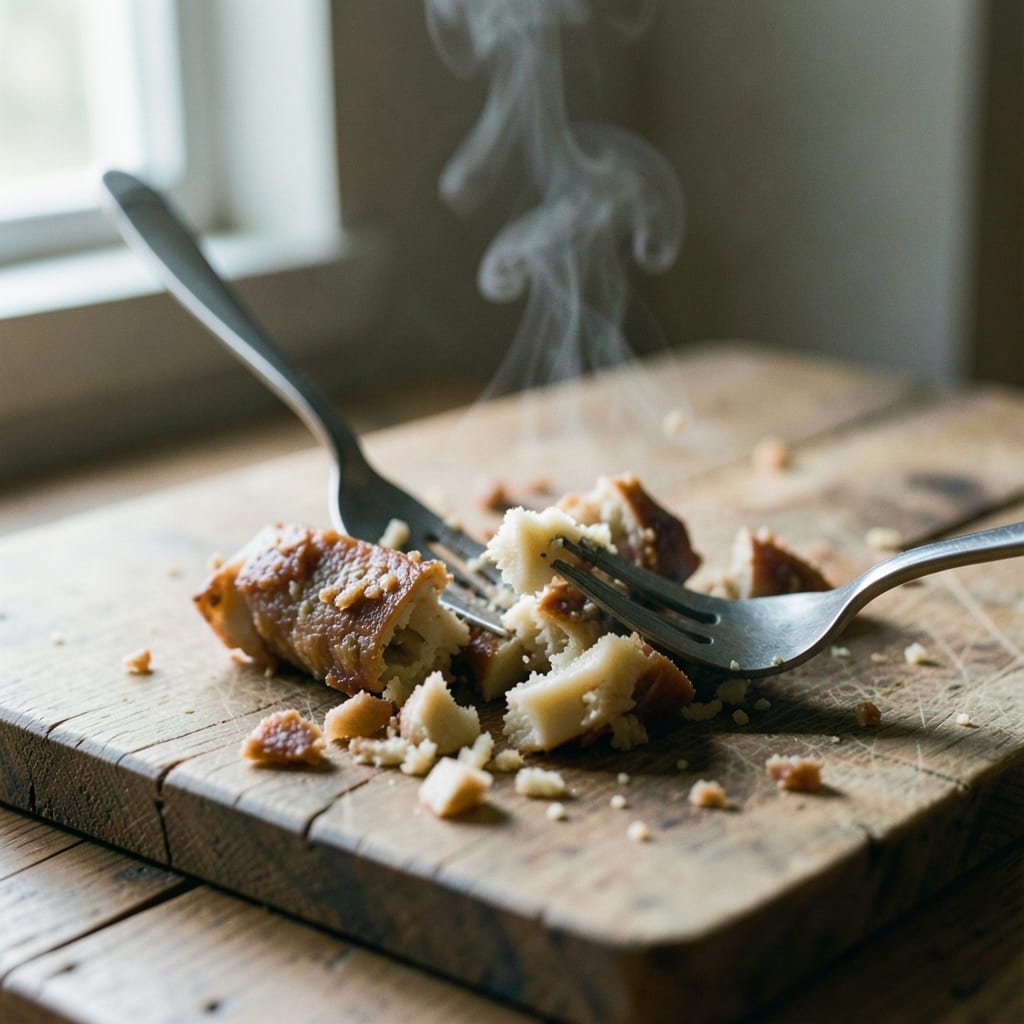
The first five attempts were all the same: edges burnt, centers undercooked. I switched to a lighter baking sheet—no change. Then I tried parchment paper, but the edges still browned too fast. On the sixth try, I lowered the oven to 325°F and baked them for 15 minutes.
The result was a sad, flat cookie with no criss-cross pattern and a gummy center. The seventh time, I brushed the edges with egg wash before baking. That just made them stick to the sheet.
By the eighth batch, I’d given up on the recipe’s timing entirely. I cracked the oven door every two minutes to check, pulling them out the second the edges looked *just* set. The cookies were uneven—some crisp, some soft—but none of them burned.
Then, on the ninth try, I did something different: I chilled the dough for an extra hour before baking. The butter firmed up, the edges held their shape, and the criss-cross pattern stayed sharp. The oven’s hot spot didn’t matter anymore because the dough wasn’t fighting it.
It took three hours of baking, two ruined sheets of cookies, and a kitchen that smelled like failure before I got it right. But that’s when I noticed something else: the texture. The cookies weren’t just edible—they were *better*.
The chilled dough had developed layers, the butter had emulsified differently, and the flavor was richer. My grandmother had always let her dough rest overnight. I’d been in too much of a hurry to learn why.
The mind behind these pages
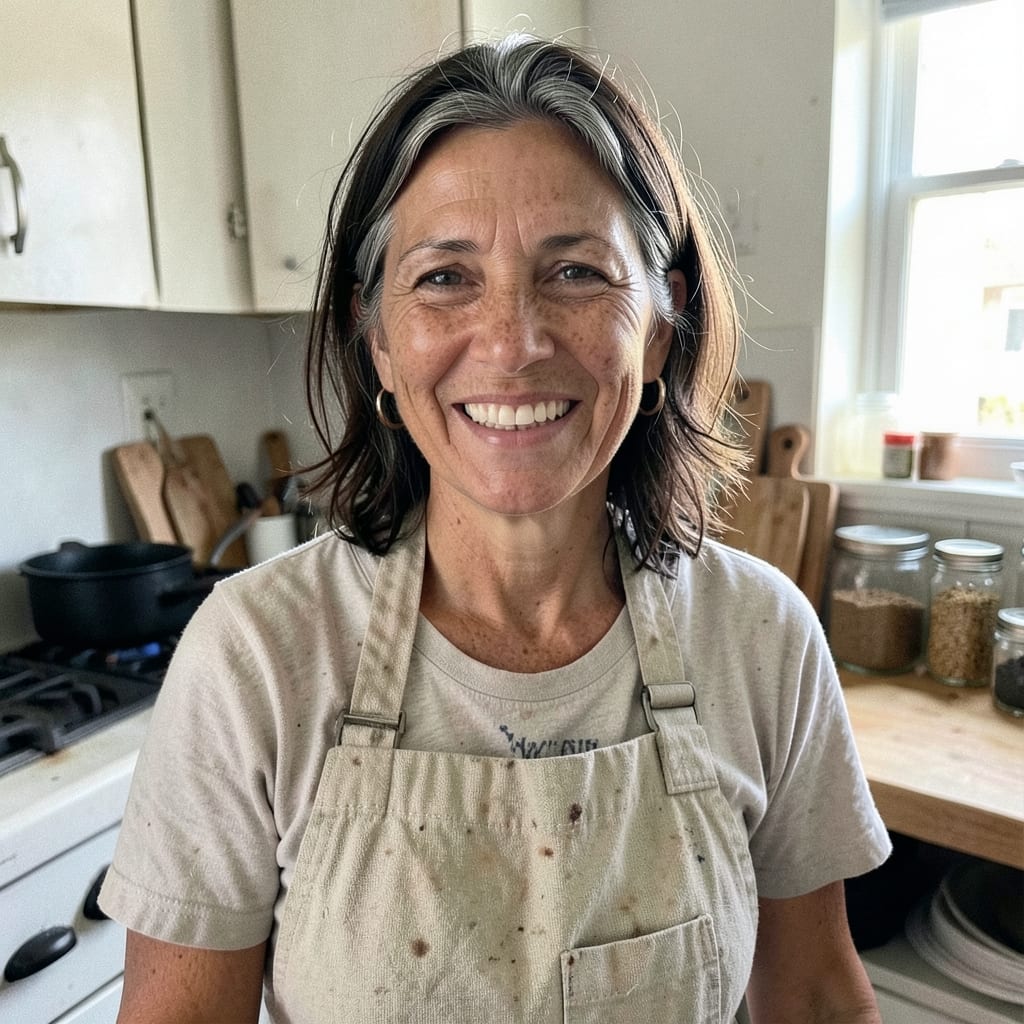
That was Renata Ibarra, the one who kept baking until the edges stopped burning. She’s the founder and editor here, and she does this—remaking recipes until they work—not just in her kitchen, but in the ones that matter to her readers.
She’s the kind of person who tries things nine times before giving up, who notices when a cookie sheet’s hot spot ruins a batch, and who still remembers the first time her grandmother’s voice went quiet when she asked for the recipe.
That’s how she learned: by watching, by tasting, and by fixing what didn’t fit.
Outside the kitchen, she’s the one who gets lost in libraries, who still writes letters (the old-fashioned kind), and who can’t resist buying seeds just to see what grows. It’s a habit that started with a burnt cookie sheet and never left.
Everything here is written the way that cookie sheet was: tested, adjusted, and tested again—until it’s not just a recipe, but a memory.
Everything here is written the way that cookie sheet was
That’s why every recipe on this site is baked—or fried, or simmered—at least three times before it’s published. The first time is to see if it works. The second is to see if it *matters*. The third is to see if it still works when someone else tries it.
And if it doesn’t? We write it down anyway, with the notes on what went wrong and how to fix it.
You’ll find the failures in the margins: the ‘tested with’ notes, the ‘adjust for’ warnings, the ‘why this works’ explanations. Those are the things that cookie sheet taught us.
Recipes aren’t just ingredients and steps—they’re a conversation between the person who wrote them and the person who’s about to make them.
Months later, when a recipe gets updated, it’s not because we found a ‘better’ way. It’s because someone sent us a message—‘the dough was too sticky,’ ‘the sauce curdled,’ ‘the edges burned’—and we went back to the oven to listen.
What that means for you
You’ll find no vague instructions here, no ‘bake until golden’ without a temperature or time. Every recipe is written with the same rules that cookie sheet taught us: test it, adjust it, and write down why it worked—or why it didn’t.
If a dish doesn’t work for you, you’ll know exactly what to change before you try it again.
What you won’t find are perfect photos, perfect results, or perfect claims. You’ll find the real thing: the burnt edges, the gummy centers, and the moments when even the best recipe needs a little more time, a little more heat, or a little more patience.
Send us the details—what went wrong, what you tried, and what you’d change. We’ll test it, tweak it, and write it down so the next person doesn’t have to burn a cookie sheet to figure it out. Your message might just end up on these pages.
The recipes are grouped by category: Appetizers, Beverages, Breakfast & Brunch, Desserts, Main Courses and Reviews.