
Desserts
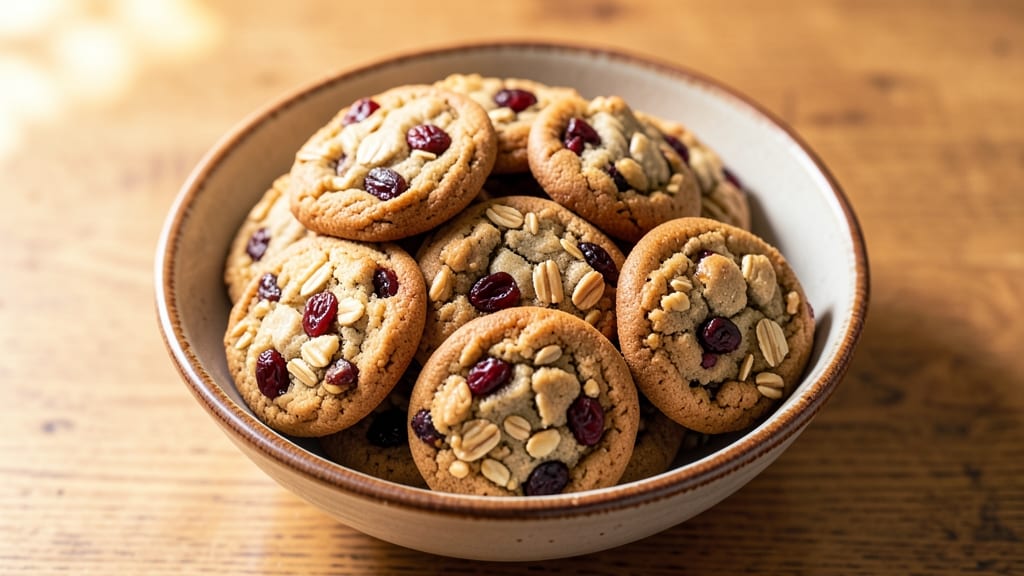
This big oatmeal raisin cookie recipe delivers the perfect balance of chewy centers and caramelized raisins that make every bite irresistible. The secret lies in a precise blend of old-fashioned oats, brown sugar, and a touch of cinnamon that enhances the raisins' natural sweetness.
I've perfected this recipe over years of baking, ensuring the cookies stay soft in the middle while developing a golden, crispy edge—just like your favorite bakery version, but better.
The magic happens with a few key techniques: using a mix of brown and white sugar for depth, toasting the oats lightly for extra crunch, and soaking the raisins in rum or orange juice for plumpness.
These steps transform a simple cookie into something extraordinary, with a texture that's chewy yet sturdy enough to hold up to a glass of milk. The aroma alone—warm spices, buttery richness, and caramelized fruit—will fill your kitchen and have everyone asking for seconds.
Once baked, these cookies develop a beautiful caramelized top with a tender, cake-like interior that melts in your mouth. The raisins stay juicy and sweet, not dried out, thanks to the careful soaking and baking time.
This recipe is designed to impress, whether you're serving them at a holiday gathering or simply treating yourself to a homemade indulgence. The process is straightforward, but the results are anything but ordinary.
For an extra touch, I recommend rolling the warm cookies in additional sugar while they're still soft—this adds a delightful crunch and sweetness that takes them to the next level.
Store in an airtight container for up to a week, if they last that long. Let's get baking—these cookies are worth every minute of effort.
Ingredients for big oatmeal raisin cookie
Here’s what you’ll need to bake these big, chewy oatmeal raisin cookies with caramelized raisins.
| Ingredient | Amount | Notes |
|---|---|---|
| Old-Fashioned Rolled Oats 🌾 | 3 cups | Toasted lightly for extra crunch |
| Light Brown Sugar 🍚 | 1 ½ cups | Packed firmly for accuracy |
| Granulated White Sugar 🍚 | ½ cup | For balanced sweetness |
| Unsalted Butter 🧈 | 1 cup | Cold, cubed for even mixing |
| Large Eggs 🥚 | 2 whole | Room temperature for blending |
| Vanilla Extract 🍯 | 2 tsp | Pure, not imitation |
| Ground Cinnamon 🌿 | 2 tsp | Freshly ground preferred |
| Baking Soda 🧂 | 1 tsp | For lift and texture |
| Sea Salt 🧂 | ½ tsp | Fine grain for balance |
| Raisins 🍇 | 2 cups | Seedless, plump variety |
| Orange Juice 🍊 | ¼ cup | For soaking raisins |
| Dark Rum 🍹 | ¼ cup | Optional, for extra flavor |
| Granulated Sugar 🍚 | ¼ cup | For rolling warm cookies |
The oats are the backbone of these cookies—old-fashioned rolled oats give the best texture. Bob’s Red Mill or the store brand in the bulk section work perfectly. Toast them lightly in a dry pan for about 5 minutes until fragrant—this adds depth and crunch. For the raisins, seedless golden raisins are ideal, but regular raisins work too. The rum or orange juice soak is non-negotiable: it plumps them up and infuses flavor. I usually do this the night before so the raisins absorb fully.
No rum? Extra orange juice or apple juice works just as well. Short on brown sugar? Substitute with coconut sugar, but the flavor will be slightly different. The butter should be cold—cold, cubed butter creates pockets of steam for that perfect chewy center. If you’re gluten-free, swap the oats for certified GF oats, but expect a slightly denser texture. For the sugar rolling at the end, turbinado sugar adds a nice crunch, but regular granulated sugar is fine too.
Store these cookies in an airtight container at room temperature for up to 5 days—if they last that long. For longer storage, freeze the dough balls and bake fresh as needed. The cookies reheat beautifully in the oven for 10-15 seconds to restore that warm, gooey center. I always double the batch because they disappear fast—perfect for holiday gifts or potlucks.
Why You'll Love This Recipe
- No Mixer Needed: I swear by this recipe because it’s actually mixable by hand—just smash the butter and sugars together until it’s crumbly, then fold in the oats. No stand mixer, no fuss, just elbow grease for a minute or two. (Yes, even on a Tuesday night.)
- Chewy Crunch Magic: That crispy-but-still-soft edge? It’s all in the butter-to-sugar ratio and the old-fashioned oats—not instant. The raisins get plump from the brown sugar, and the egg binds it just enough to keep it tender. Honestly, I’ve never had a cookie that balances chewy and crunchy this well.
- Bulk-Friendly Without Waste: Double the batch, freeze half, and you’ve got cookies for weeks—no sad, dried-out leftovers. I make a full sheet pan on Sundays, portion them into bags, and pull them out whenever I need a quick snack or a last-minute dessert. (My kids think I’m a hero.)
- Pantry Staple Power: Between us, this recipe uses ingredients you already own: oats, butter, sugar, eggs. No weird substitutions or specialty items. If you can measure and fold, you can bake these. And if you’re pinching pennies? A batch costs less than takeout—and lasts way longer.
Step-by-step instructions for big oatmeal raisin cookies
Let's make these chewy, caramelized raisin cookies that'll have everyone asking for seconds.
Soak the Raisins for Maximum Flavor
In a small bowl, combine the 2 cups raisins, ¼ cup orange juice, and ¼ cup dark rum. Stir gently to coat the raisins evenly. Let this mixture sit for at least 30 minutes—I like to do this while I prep the rest of the ingredients. This soaking process plumps up the raisins and infuses them with bright citrus and warm rum notes that'll shine through in every bite.
After soaking, drain the raisins in a fine-mesh strainer and press gently to remove excess liquid. You want them moist but not dripping—just enough to keep their juiciness during baking. If you're skipping the rum, use extra orange juice or even apple juice for a similar effect, though the flavor will be more subtle.
Cream Butter and Sugars for Perfect Texture
In a large mixing bowl, combine the 1 cup unsalted butter (cut into cubes) with the 1.5 cups light brown sugar and ½ cup granulated white sugar. Using a hand mixer or stand mixer on medium speed, beat until the mixture is light and fluffy, about 3-4 minutes. You'll know it's ready when the butter is completely incorporated and the mixture nearly doubles in volume.
This creaming step is crucial—it incorporates air into the dough, which creates those beautiful crackly tops and helps the cookies maintain their chewy centers. Don't rush this step; under-creaming leads to dense, cakey cookies instead of the tender, chewy texture we're after. Scrape down the sides of the bowl with a spatula every minute to ensure even mixing.
Mix in Wet Ingredients and Dry Components
Add the 2 whole large eggs (room temperature) one at a time, mixing on low speed after each addition until fully combined. Then stir in the 2 teaspoons vanilla extract and 2 teaspoons ground cinnamon. The mixture will look slightly curdled at first, but that's normal—it'll come together when we add the dry ingredients.
In a separate bowl, whisk together the 3 cups old-fashioned rolled oats, 1 teaspoon baking soda, and ½ teaspoon sea salt. Gradually add this dry mixture to the wet ingredients, mixing on low speed just until combined. Be careful not to overmix—you should still see some oat flour streaks. Fold in the soaked raisins by hand using a silicone spatula, ensuring they're evenly distributed throughout the dough.
Chill the Dough for Better Shape and Flavor
Cover the mixing bowl with plastic wrap and refrigerate the dough for at least 1 hour, or up to 24 hours if you want to prep ahead. Chilling is non-negotiable—it allows the flour to fully hydrate, prevents excessive spreading in the oven, and helps the cookies hold their shape better. The flavors also meld during this time, resulting in more complex, well-rounded cookies.
I like to press the dough into a disk and wrap it tightly in plastic wrap before refrigerating. This makes it easier to handle later and prevents the dough from drying out. If you're short on time, the minimum 1-hour chill still makes a noticeable difference in texture compared to skipping it entirely.
Bake to Golden Perfection with Caramelized Raisins
Preheat your oven to 350°F and line two baking sheets with parchment paper. Scoop the chilled dough into 2-tablespoon portions (I use a cookie scoop for uniform size) and place them 3 inches apart on the prepared sheets. You'll have enough dough for about 24 cookies, so work in batches if needed.
Bake for 12-14 minutes until the edges are golden brown but the centers still look slightly underdone. The cookies will continue cooking on the hot pan after you remove them from the oven. Watch closely after 10 minutes—the raisins should be caramelized and bubbly, which is when you'll know they're ready. Let the cookies cool on the baking sheet for 5 minutes before transferring to a wire rack to finish cooling.
Pro Tips For Making Big Oatmeal Raisin Cookie
- CHILL THE DOUGH: I learned this the hard way—rolling out cold cookie dough straight from the fridge gives you thicker, chewier cookies with less spreading. Let it sit 15-20 minutes at room temp first, but don’t skip the fridge time after shaping. The contrast makes all the difference in texture.
- TOAST THE OATS: Skip the raw oats—toss them in a dry pan over medium-low for 5-7 minutes until golden and fragrant. They’ll add depth of flavor and prevent that gummy texture some big batches get. (Yes, even if you’re impatient like me, wait until they smell like toast.)
- MEASURE BUTTER PRECISELY: Pack that unsalted butter into the measuring cup—don’t scoop it. The extra density keeps cookies from spreading too much, and you’ll avoid the sad, flat pancake look. I used to eyeball it, but now I weigh it when possible for consistency.
- REST THE COOKIES: Don’t grab them hot off the sheet. Let them cool 5 minutes on the tray before transferring—they’ll firm up faster and hold their shape better. Crowding them on a rack too soon ruins the crisp edges you worked for. (Your future self will thank you.)
Common mistakes when making this recipe
Skipping the Chill
If you skip chilling the dough, your cookies will spread excessively in the oven, losing their signature shape and potentially developing a flat, cake-like texture. The dough needs time to firm up so it holds together properly.
I’ve seen home bakers rush this step and end up with cookies that look more like thick pancakes than chewy delights. Always chill for at least 1 hour—your patience will pay off with perfectly formed cookies. 🧊
Overmixing the Dough
Overmixing after adding the dry ingredients develops gluten, which makes cookies tough instead of tender. Stir just until combined—you should still see flecks of oat flour. I’ve made this mistake and ended up with cookies that were more like dense crackers.
Use a silicone spatula to gently fold in the raisins, and resist the urge to mix vigorously. The goal is a uniform but slightly uneven texture. 🍪
Using Old Spices
Ground cinnamon and baking soda lose potency over time, leading to bland flavors. I always check my spice rack for freshness—if your cinnamon smells dull or your baking soda fizzes weakly with vinegar, replace it.
For baking soda, test by mixing ½ teaspoon with ¼ cup vinegar—it should bubble vigorously. Old spices can make your cookies taste flat, no matter how perfect the rest of the recipe. 🌿
Underbaking or Overbaking
Baking these cookies until the edges are golden but the centers still look slightly underdone is crucial. Underbaking leaves them doughy, while overbaking dries them out. I recommend pulling them at 12-14 minutes—the raisins should be caramelized and bubbly.
If you’re unsure, let them cool for 5 minutes and check the center; it should be soft but not wet. Overbaking ruins the chewy texture we’re after. ⏱️
Not Soaking Raisins
Skipping the raisin soak results in dry, chewy raisins that don’t caramelize properly. The liquid (orange juice or rum) plumps them up and infuses flavor. I’ve tried this shortcut, and the results are noticeably worse—the cookies lack depth and the raisins taste bland.
Soak for at least 30 minutes, or overnight for maximum flavor. The effort makes all the difference. 🍇
Ignoring the Sugar Roll
Rolling warm cookies in sugar adds a delightful crunch and sweetness that takes them from good to extraordinary. I’ve made this recipe without it, and while the cookies are still delicious, they lack that bakery-style finish.
Use ¼ cup granulated sugar or turbinado for a grittier texture. Do this immediately after baking while the cookies are still soft—it’s worth the extra step! 🍚
Nutrition facts
Frequently asked questions
Can I make these cookies without rum?
Skip the rum and use an extra ¼ cup orange juice or apple juice to soak the raisins. The cookies will still be delicious, though the flavor will be slightly less complex. For a non-alcoholic twist, try adding 1 teaspoon vanilla extract or ½ teaspoon almond extract to the dough for extra depth.
How do I store these cookies to keep them soft?
Store cookies in an airtight container at room temperature for up to 5 days. For longer storage, freeze the dough balls (before baking) for up to 3 months. To reheat, bake fresh cookies at 350°F for 10-15 seconds to restore that warm, gooey center. The key is keeping them in a sealed container to prevent drying.
Can I substitute oats for a gluten-free version?
Yes! Use certified gluten-free rolled oats (like Bob's Red Mill 1:1) and ensure all other ingredients are GF. The texture will be slightly denser, but the flavor remains excellent. For extra moisture, add 1 tablespoon applesauce to the dough. Always check labels on spices and baking soda too.
Why do my cookies spread too much?
Skipping the 1-hour chill is the most common cause. Cold butter and chilled dough prevent excessive spreading. Also, scoop portions while the dough is cold and place them 3 inches apart on the baking sheet. If your oven runs hot, reduce temperature to 325°F for slightly thicker cookies.
What's the best way to make these cookies extra chewy?
Use old-fashioned rolled oats (not quick oats) and slightly underbake by 30 seconds—the centers should look soft when done. For extra chewiness, replace ¼ cup flour with ¼ cup cornmeal in the dry ingredients. The cornmeal adds moisture retention. Let cookies cool on the baking sheet for 5 minutes before transferring.