
Desserts
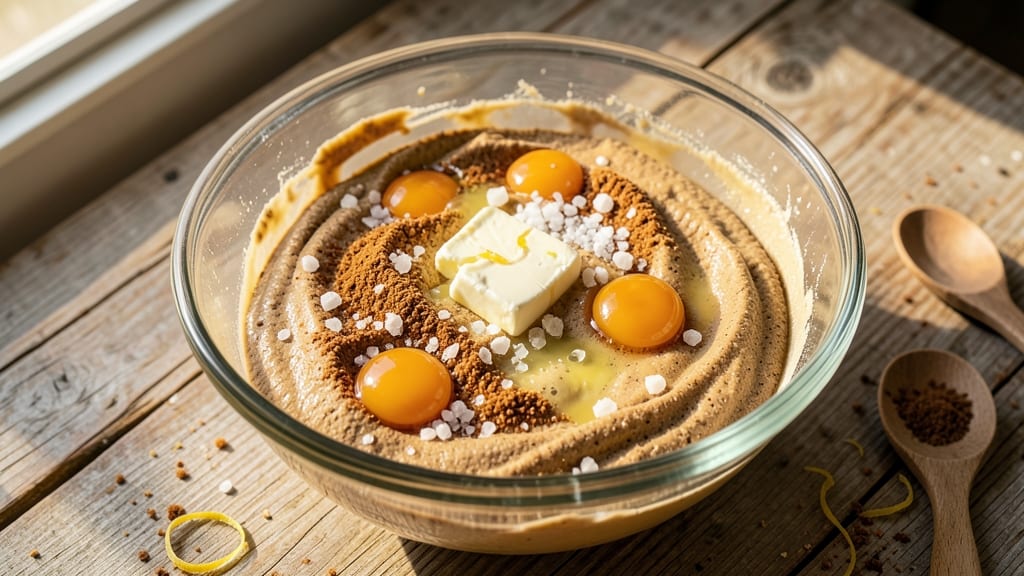
This gluten-free rolled sugar cookie recipe delivers the crispy edges and buttery swirls you crave without sacrificing texture or flavor. After years of testing gluten-free flours, I've perfected a dough that rolls smoothly, cuts cleanly, and bakes to golden perfection—no crumbling or dryness.
The secret lies in the right flour blend and proper chilling, which ensures even baking every time.
What sets this recipe apart is the balance of ingredients: almond flour for structure, oat flour for chewiness, and xanthan gum to mimic gluten's binding properties. The dough is foolproof once chilled, rolling out effortlessly to your desired thickness.
Whether you prefer classic rounds or festive shapes, these cookies hold their form beautifully in the oven.
By the time they emerge, you'll have cookies with crispy edges that shatter slightly and tender, buttery centers with that signature sugar cookie sweetness. The aroma alone will have everyone gathering around your kitchen—no one will guess these are gluten-free.
Decorate with royal icing or keep them simple with a sprinkle of sugar.
Perfect for holidays, parties, or satisfying a cookie craving without compromise. The recipe scales easily, and leftovers stay fresh for days when stored properly. Let's make these cookies!
Ingredients for best gluten free rolled sugar cookie
Buttery swirls and crispy edges start with these gluten-free essentials—no crumbling, no dryness.
| Ingredient | Amount | Notes |
|---|---|---|
| Almond Flour 🥜 | 1 ½ cups | Finely ground, unsweetened |
| Oat Flour 🌾 | 1 cup | Blended from rolled oats |
| Granulated Sugar 🍚 | 1 cup | Superfine preferred for smooth texture |
| Unsalted Butter 🧈 | 1 cup | Cold, cubed for easier mixing |
| Large Eggs 🥚 | 2 whole | Room temperature for even blending |
| Vanilla Extract 🌿 | 1 tbsp | Pure, high-quality preferred |
| Xanthan Gum 🧪 | ¼ tsp | Essential for gluten-free binding |
| Sea Salt 🧂 | ½ tsp | Fine grain for even distribution |
| Powdered Sugar 🍚 | 1 cup | For rolling and decorating |
| Cream Cheese 🧀 | 4 oz | Room temperature for swirling |
| Lemon Zest 🍋 | 1 tbsp | Brightens the buttery flavor |
| All-Purpose Flour 🌾 | ¼ cup | For dusting rolling surface |
| Granulated Sugar 🍚 | ¼ cup | Extra for sprinkling |
The almond flour is non-negotiable here—it gives that signature sugar cookie structure without gluten. Bob's Red Mill or King Arthur are my go-tos for consistency, but any finely ground almond flour works. Oat flour? Blend your own from rolled oats for that perfect chewiness—store-bought versions can be too fine. The xanthan gum might seem scary, but trust me, it's what keeps these from falling apart. Grab it at Whole Foods or the gluten-free section of any major grocery store. For the butter, Plugrá is my secret weapon—it stays cold longer during mixing, which is key for these cookies.
No almond flour? Substitute with extra oat flour plus 0.5 tsp psyllium husk—it mimics the binding properties. Running short on cream cheese? Use 3 oz softened butter plus 1 tsp lemon juice for the swirl, but the texture won't be identical. Superfine sugar? Pulse regular granulated sugar in a food processor for 30 seconds if you're in a pinch. The lemon zest can be zested fresh or swapped for 1 tsp lemon extract if you're not feeling fancy. And if you're decorating, Wilton's powdered sugar is the gold standard for smooth icing.
These cookies need 24 hours of chilling—no cutting corners. Store dough in an airtight container between parchment paper to prevent sticking. Baked cookies keep in an airtight tin for 5 days or freeze for 3 months. Pro tip: Wrap individual cookies in parchment before freezing for easy single-serving thawing. The aroma alone will have your whole house smelling like a bakery—worth every minute of waiting.
Why You'll Love This Recipe
- No-Fuss Dough: I swear by this mix—just blend, chill, roll. No overworking, no stressing over gluten-free messes. The almond and oat flours hold together like a dream once you let the dough rest for 20 minutes. (Yes, even on a Tuesday night when you’re exhausted.)
- Butter-Sugar Magic: That perfect balance of creamy butter and crisp sugar? It’s what makes these taste like childhood memories. The eggs bind it all without making them dense, and the sugar caramelizes just enough for that classic rolled-cookie flavor.
- Holiday or Snack Attack: I’ve used these for Christmas cookies, lunchbox treats, and even crumbled over ice cream. The dough’s sturdy enough for cutouts but simple enough for quick sugar cookies. (My kids’ friends always ask for the recipe.)
- Lasts Without Losing Freshness: They keep for days in an airtight container—no weird texture or dryness. Plus, the almond flour keeps costs down compared to pricey GF mixes. Double batch, freeze half, and thank me later. (I do this every time.)
Step-by-step instructions for gluten-free rolled sugar cookies
Here's how to achieve bakery-style gluten-free cookies with crisp edges and buttery swirls every time.
Mix the Dry Ingredients Thoroughly
In a medium bowl, whisk together the 1½ cups almond flour, 1 cup oat flour, ½ teaspoon sea salt, and ¼ teaspoon xanthan gum. This combination creates the perfect gluten-free structure—almond flour adds richness while oat flour provides that classic sugar cookie texture. Sift the mixture lightly to break up any lumps, ensuring even distribution of the xanthan gum, which is crucial for binding in gluten-free baking.
In a separate small bowl, combine the 1 cup granulated sugar and 1 tablespoon lemon zest. Rub the zest between your fingers to release its bright citrus oils before adding to the sugar. This step infuses the entire batch with subtle lemon flavor that pairs beautifully with the buttery cream cheese swirl. Set both mixtures aside until ready to use.
Cream Butter and Sweeteners to Lighten the Dough
In a stand mixer fitted with the paddle attachment, beat the 1 cup cold unsalted butter on medium speed until it becomes pale and fluffy—about 3-4 minutes. This process incorporates air, which is essential for achieving those light, tender cookies. Gradually add the 1 cup granulated sugar and mix until fully combined, scraping down the sides of the bowl as needed.
Add the 2 whole large eggs, one at a time, mixing just until each is incorporated. Then add the 1 tablespoon vanilla extract and the lemon-sugar mixture. Mix on low speed for another 30 seconds until everything is evenly combined. The dough should look smooth but slightly thick—this is perfect for rolling. If it appears too soft, chill for 10 minutes before proceeding.
Combine Wet and Dry Ingredients for Perfect Texture
With the mixer running on low speed, gradually add the dry ingredient mixture to the wet ingredients. Mix just until combined—about 30-45 seconds. Overmixing develops gluten in the oat flour, which can make the cookies tough. The dough should hold together when pressed but still be slightly crumbly. If it's too dry, add 1-2 teaspoons of cold water to help it come together.
Divide the dough in half. For one half, press the 4 ounces room-temperature cream cheese into the center and fold gently until evenly distributed. This creates the signature swirl pattern. Wrap both dough portions in plastic wrap and refrigerate for at least 1 hour or up to 24 hours. Chilling firms up the dough, making it much easier to roll and cut clean edges.
Roll and Cut for Perfect Shapes
Preheat your oven to 350°F and line two baking sheets with parchment paper. On a lightly floured surface, roll out one portion of dough to about ¼-inch thickness. Dust with the ¼ cup all-purpose flour as needed to prevent sticking. Use a 2-inch round cutter to cut out shapes, then transfer to the prepared baking sheets, spacing them about 1 inch apart. Gather and reroll the scraps once or twice before discarding.
Repeat with the cream cheese dough, then roll both portions together to create the signature swirled pattern. For extra decoration, sprinkle with the ¼ cup granulated sugar before baking. These cookies need 10-12 minutes in the oven until the edges are golden brown but the centers still look slightly underdone. They'll firm up as they cool.
Achieve Crisp Edges and Perfect Doneness
Remove the cookies from the oven when they're just set at the edges but still soft in the center. Let them cool on the baking sheet for 5 minutes before transferring to a wire rack. This brief resting period prevents over-browning while allowing the centers to set properly. For maximum crispness, bake an additional 2-3 minutes at 375°F after the initial cooling period.
Once completely cooled, roll the cookies in powdered sugar for that classic rolled sugar cookie finish. Store in an airtight container at room temperature for up to 5 days or freeze for up to 3 months. The secret to these crisp edges lies in the precise baking time and temperature—don't overbake, or you'll lose that delicate texture we're after.
Pro Tips For Making Best Gluten Free Rolled Sugar Cookie
- CHILL THE DOUGH: I learned this the hard way—rolling out warm gluten-free dough is like trying to shape wet sand. Pop the dough between two sheets of parchment, flatten it slightly, and refrigerate for at least 30 minutes. This keeps the almond flour from turning to paste and makes rolling a breeze. (Yes, even if you're impatient like me.)
- WEIGH YOUR FLOURS: Almond flour and oat flour play by different rules than all-purpose flour. Scooping leads to inconsistency—one batch might be crumbly, the next too sticky. Use a kitchen scale for precision: almond flour should be 1:1 with oat flour by weight, not volume. Trust me, your cookies will thank you.
- SKIP THE OVERMIXING: Gluten-free dough has a mind of its own—it doesn’t need the same handling as wheat-based dough. Mix just until the wet ingredients are incorporated, then stop. Overworking the almond flour and oat flour combo activates gums that make your cookies tough and dense. Fold in any dry extras (like cinnamon or vanilla) by hand after the initial mix.
- REST THE ROLLED SHEET: You rolled it out, cut the shapes, and now you’re itching to bake. Don’t. Let the cut cookies sit on the parchment for 10–15 minutes before baking. This prevents them from spreading unevenly in the oven—especially critical with almond flour, which can get gummy when rushed. (Your future self will thank you.)
Common mistakes when making great best gluten free rolled sugar cookie
Skipping the Chill
Here's my biggest mistake when I first started—skipping the 1-hour chill because I was eager to bake. The dough was sticky, rolled unevenly, and the cookies spread more than they should have.
Always chill the dough for at least 1 hour (or up to 24 hours) to firm it up. This step is non-negotiable for clean cuts and even baking. 🧊
Overmixing the Dough
Mixing the dough too long develops gluten in the oat flour, which makes cookies tough instead of tender. I used to mix for 2-3 minutes until it looked perfect, but the texture suffered.
Mix just until combined—about 30-45 seconds—and stop when the dough holds together when pressed. If it's too dry, add 1-2 teaspoons cold water instead of overmixing.
Incorrect Rolling Thickness
Rolling the dough too thin (less than ¼ inch) results in cookies that bake too quickly and burn before setting. Too thick (more than ¼ inch) means undercooked centers.
Aim for a consistent ¼-inch thickness—this ensures crisp edges and a tender center. Use a rolling pin with measurements or a ruler to check thickness before cutting.
Using Warm Butter
Warm butter melts too quickly during mixing, making the dough greasy and hard to handle. I've learned to use cold, cubed butter straight from the fridge. It incorporates air beautifully when creamed and prevents the dough from becoming too soft.
If your kitchen is warm, chill the butter for 10 minutes before starting.
Overbaking for Crispness
I used to bake these until the edges were fully set, thinking that would give me crispier cookies. But overbaking dries them out and ruins the delicate texture. Remove cookies when edges are golden brown but centers still look soft—they'll firm up as they cool.
For extra crispness, bake an additional 2-3 minutes at 375°F after the initial cooling period.
Skipping the Resting Period
Transferring cookies straight from the oven to a rack causes them to crack and lose their shape. Let them cool on the baking sheet for 5 minutes before moving.
This brief resting period allows the edges to set properly while keeping the centers tender. It's an easy step that makes a huge difference in texture and appearance. ✨
Nutrition facts
Frequently asked questions
Can I substitute almond flour with another gluten-free flour?
Yes, but with adjustments! If you're short on almond flour, use 1½ cups oat flour plus ½ teaspoon psyllium husk to mimic the binding properties. For a lighter texture, try 1 cup gluten-free all-purpose blend (like Bob's Red Mill 1:1) plus ½ cup oat flour. Remember, almond flour adds richness—substitutes may slightly alter flavor and texture.
How do I prevent my gluten-free cookies from crumbling?
The key is proper chilling and handling! Always chill the dough for at least 1 hour (up to 24 hours) to firm it up. Use ¼-inch thickness when rolling, and avoid overmixing. The xanthan gum in the recipe is essential—don't skip it! If crumbling persists, add 1 teaspoon cold water to the dough before rolling.
Can I make these cookies without cream cheese?
For the swirl, substitute with 3 ounces softened butter plus 1 teaspoon lemon juice. The texture won't be identical, but it'll still create a pretty pattern. For a richer flavor, add ½ teaspoon vanilla bean paste to the butter mixture. The cookies will still be delicious—just without the signature tang.
How do I store these cookies for maximum freshness?
Store baked cookies in an airtight container at room temperature for up to 5 days. For longer storage, freeze individual cookies wrapped in parchment paper for up to 3 months. Thaw at room temperature for 1-2 hours before enjoying. The powdered sugar coating helps preserve freshness—just avoid humid environments.
Why do my gluten-free cookies spread more than regular ones?
This happens when the dough isn't chilled enough or the butter melts too quickly. Always use cold butter and chill the dough for at least 1 hour. If your kitchen is warm, chill the dough for 24 hours or use the freezer for 30 minutes before rolling. The xanthan gum helps control spread, but proper handling is key to maintaining shape.