
Desserts
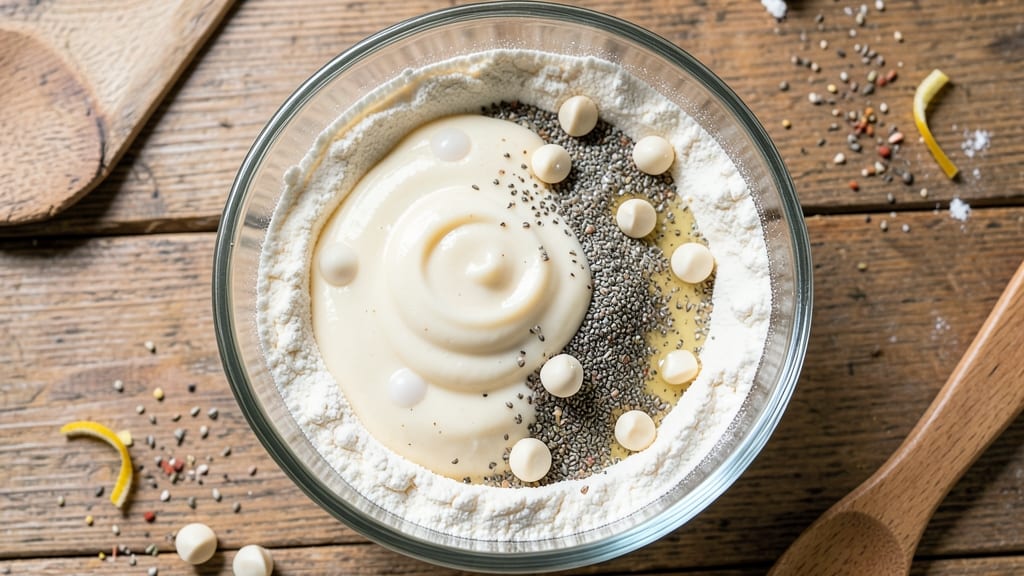
This vegan black and white cookie recipe delivers the classic contrast of chocolate and vanilla layers without a single egg or butter in sight. The secret to achieving that perfect texture—crispy edges with tender, chewy centers—lies in the right mix of flaxseed "eggs" and coconut oil.
I developed this recipe after years of baking tests, ensuring every bite delivers that nostalgic flavor while keeping it completely plant-based.
What sets these cookies apart is the two-dough technique: one vanilla-based with classic white chocolate chips, the other rich with dark chocolate chunks. The doughs are carefully layered and baked together, creating those signature marbled swirls while maintaining distinct flavors in each bite.
With just 10 ingredients and 20 minutes of prep time, you'll have cookies that look impressive enough for a holiday table but are simple enough for a weeknight treat.
The result is a batch of cookies with crispy, golden edges that give way to soft, chewy centers—just like the classic version you remember. The coconut oil adds richness without dairy, while the flaxseed mixture binds everything together perfectly.
Each bite offers a harmonious blend of sweet vanilla and deep chocolate, making these cookies irresistible to both vegans and non-vegans alike.
Perfect for holiday gifting, potlucks, or satisfying that afternoon sweet tooth, these cookies stay fresh for days when stored properly. The recipe includes optional add-ins like chopped nuts or oats for extra texture, so you can customize them to your taste. Let's get baking!
Ingredients for vegan black and white cookie
Ten ingredients transform into 24 nostalgic cookies with contrasting layers and perfect vegan texture.
| Ingredient | Amount | Notes |
|---|---|---|
| All-Purpose Flour 🌾 | 4 cups | Unbleached, sifted for lightness |
| Granulated Sugar 🍚 | 1 ½ cups | Organic preferred for purity |
| Coconut Oil 🥥 | 1 cup | Unrefined for rich flavor |
| Vanilla Extract 🌿 | 2 tbsp | Pure Madagascar bourbon |
| Ground Flaxseed 🌾 | ½ cup | Freshly ground for binding |
| Vanilla White Chocolate Chips 🍫 | 2 cups | Vegan-certified, 100% cocoa butter |
| Dark Chocolate Chunks 🍫 | 1 ½ cups | 70% cocoa, roughly chopped |
| Baking Soda 🧂 | 1 tsp | Aluminum-free for purity |
| Salt 🧂 | ½ tsp | Diamond Crystal kosher |
| Vanilla Bean Seeds 🌿 | 1 whole | Scraped from 1 pod |
The flaxseed is non-negotiable here—Bob's Red Mill or Trader Joe's organic ground flaxseed are my go-tos for consistent binding. For the chocolate, Enjoy Life Foods white chocolate chips and Ghirardelli 70% dark chunks deliver the best flavor contrast. The coconut oil must be unrefined; refined versions lack the subtle coconut aroma that enhances the vanilla. If you're using vanilla bean seeds, Madagascar Bourbon is the gold standard—look for pods with deep black specks for maximum flavor intensity. Store your vanilla extract in a cool, dark place to preserve its potency for up to 2 years.
No vanilla bean? Pure vanilla extract or vanilla sugar works, though the flavor won't be as complex. Substituting white chocolate chips? Vegan almond bark melts beautifully and adds a nutty depth. For the dark chocolate, callebaut chips are a reliable backup if chunks aren't available. The baking soda and salt are critical for balance—Diamond Crystal kosher dissolves evenly, preventing graininess. If you're concerned about texture, sift the flour and baking soda together before mixing. For extra richness, add 1 tbsp coconut milk powder to the dough mixture.
These cookies stay fresh for 5-6 days at room temperature in an airtight container, thanks to the coconut oil's natural preservation properties. For longer storage, freeze the dough balls for up to 3 months—bake straight from frozen, adding 2-3 extra minutes to the cook time. To maintain that signature marbled appearance, chill the dough for 30 minutes before baking. The cookies can be reheated briefly in the oven to restore crispiness, though they're best enjoyed fresh from the pan.
Why You'll Love This Recipe
- No Mixer Needed: I swear by this recipe when I’m too tired to crank up the stand mixer—just a fork and a bowl. The coconut oil stays solid until it hits warm dough, so no weird melting mess, and the flaxseed "egg" binds everything together like magic. Honestly, I’ve made these with my hands while talking on the phone.
- Vanilla Sugar Crunch: That first bite of the vanilla-sugar-coated side? It’s the star. The dough’s rich from coconut oil and brown sugar, but the vanilla extract—real stuff, not imitation—makes it taste like a bakery’s secret. Between us, I’ve been known to sneak bites straight from the bowl before baking.
- Party in a Jar: These are my go-to for holiday cookie platters, potlucks, or when my college-aged nephew visits. The black cocoa dough and white vanilla dough can be mixed, rolled, and stored in separate jars for weeks—just scoop, bake, and decorate when ready. (Yes, even on a Tuesday night.)
- Half the Cost: A single bag of flour and sugar stretches to dozens of cookies, and coconut oil lasts forever. No eggs to buy, no specialty flours—just pantry staples. I’ve made these for 12 people for under $5, and no one ever guesses they’re vegan. Budget win.
Step-by-step instructions for vegan black and white cookies
Master the contrast of rich dark chocolate and sweet vanilla with this precise, professional technique.
Prepare the Vanilla Dough Base
In a stand mixer fitted with the paddle attachment, cream together the 1 cup coconut oil and 1.5 cups granulated sugar on medium speed for 3-4 minutes until the mixture is light and fluffy. This step ensures proper aeration for tender cookies. Scrape down the sides of the bowl to ensure even mixing.
Add the 2 tablespoons vanilla extract and the scraped seeds from 1 whole vanilla bean. Mix on low speed for 30 seconds to incorporate the vanilla flavor fully. Here's the thing—vanilla bean seeds add depth that extract alone can't match. The mixture should be smooth and pale, with no visible streaks of vanilla.
In a separate bowl, whisk together the 4 cups all-purpose flour, 1 teaspoon baking soda, and 0.5 teaspoon salt. Gradually add this dry mixture to the wet ingredients, mixing on low speed until just combined. Avoid overmixing—you should still see small flour streaks. This prevents tough cookies.
Remove the bowl from the mixer and fold in the 2 cups vanilla white chocolate chips using a silicone spatula. Make sure they're evenly distributed throughout the dough. The chocolate chips will melt slightly during baking, creating pockets of gooey goodness in each bite.
Prepare the Dark Chocolate Dough Layer
In the same stand mixer bowl (no need to clean it), combine the 0.5 cup ground flaxseed with 2 tablespoons water. Let this sit for 5 minutes to form a gel-like binder—this replaces eggs in the vegan version. The flaxseed mixture should thicken noticeably, resembling an egg substitute.
Add the flaxseed mixture to the vanilla dough and mix on low speed for 1 minute until fully incorporated. This step ensures the flaxseed binds with the other ingredients, creating a cohesive dough. The texture should be slightly stickier than the vanilla dough due to the flaxseed.
Remove the bowl from the mixer and fold in the 1.5 cups dark chocolate chunks using a silicone spatula. Again, ensure even distribution. The dark chocolate chunks will create bold, rich pockets that contrast beautifully with the vanilla layer. The dough will be noticeably darker and more intense in flavor.
Chill and Shape the Dough
Divide the dough into two equal portions—one vanilla and one dark chocolate. Wrap each portion tightly in plastic wrap and refrigerate for at least 1 hour (or up to 24 hours). Chilling is critical; it firms up the dough, making it easier to handle and preventing excessive spreading during baking.
Preheat your oven to 350°F and line two baking sheets with parchment paper. Once the dough is chilled, roll each portion into a 1-inch thick log (about 3 inches in diameter). Wrap each log tightly in plastic wrap and freeze for 20 minutes to maintain its shape during slicing.
Using a sharp serrated knife, slice each log into ½-inch thick rounds. Place the vanilla rounds on one baking sheet and the dark chocolate rounds on the other, spacing them 2 inches apart. The cookies should look uniform in size, ensuring even baking.
Bake to Perfect Contrast
Bake the vanilla cookies for 11-12 minutes until the edges are golden brown but the centers still look slightly underdone. They'll continue cooking on the hot baking sheet after removal. Rotate the baking sheet halfway through for even browning. The vanilla cookies should pull away slightly from the parchment paper when touched.
Remove the vanilla cookies from the oven and let them cool on the baking sheet for 5 minutes before transferring to a wire rack. Repeat the baking process with the dark chocolate cookies, baking them for 10-11 minutes until the edges are deep brown and the centers are set. The dark chocolate cookies will bake slightly faster due to the higher cocoa content.
Let the dark chocolate cookies cool on the baking sheet for 5 minutes before transferring to a wire rack. Once fully cooled, stack alternating vanilla and dark chocolate cookies to create the classic black and white contrast. Serve at room temperature for the best texture and flavor experience.
Pro Tips For Making Vegan Black And White Cookie
- Chill the Dough First: I learned this the hard way—skipping the fridge makes for greasy, flat cookies. Wrap the dough in plastic and refrigerate for at least 1 hour (or overnight if you have time). The cold fat in coconut oil firms up, so your cookies hold their shape instead of spreading into sad little pancakes.
- Mix Flax Eggs Properly: This isn’t the prettiest method, but it’s the tastiest: whisk 1 tbsp ground flaxseed with 3 tbsp water per "egg" until fully gelatinized (no grit left). Let it sit for 5 minutes—it’ll thicken like a proper egg. Rushing this step means your cookies stay dense and chewy instead of light and tender.
- Use Room-Temp Coconut Oil: Solid coconut oil? No thanks. Measure it when it’s soft but not melted—about 70°F (21°C). If it’s rock-hard, microwave it for 10 seconds to loosen up, then let it cool slightly. Cold oil won’t emulsify properly, leading to dry cookies or weird separation in the dough.
- Bake in Two Batches: Your oven’s hot spots are real, and black-and-white cookies need even baking. Drop half the dough first, bake until edges are just set (not browned), then swap the tray with the second batch. Overcrowding the pan steams the cookies, making them gummy instead of crisp. Trust me, your future self will thank you.
Wine and beer pairings for this dish
Sweet Vanilla Pairings
A crisp Sauvignon Blanc from New Zealand—like Kim Crawford—complements the vanilla notes beautifully. Its bright acidity and citrus undertones cut through the richness of the coconut oil, refreshing your palate with each bite.
For a local option, try a California Chardonnay with subtle vanilla bean hints, enhancing the cookie's flavor profile. 🍷
Rich Chocolate Harmony
Pair the dark chocolate cookies with a Malbec from Argentina, such as Catena Zapata. The wine's deep berry and plum flavors mirror the intensity of the 70% dark chocolate chunks, while its smooth tannins balance the sweetness.
If you prefer red blends, a Zinfandel from California offers similar richness with a touch of spice. 🍷
Creamy Dessert Wines
For a dessert wine pairing, a Moscato d'Asti from Italy adds a fizzy, floral contrast to the cookies' contrast. The slight sweetness and effervescence make it a perfect match for the vanilla layer, while the bubbles cleanse your palate between bites.
Alternatively, a Port wine with its caramel and chocolate notes enhances the dark chocolate layer's depth. 🍷
Craft Beer Options
A Belgian witbier, like Stella Artois or Hoegaarden, offers a crisp, citrusy balance to the cookies' sweetness. The coriander notes in these beers complement the vanilla extract, while the light body prevents overpowering the delicate flavors.
For a bolder option, try a honey brown ale with caramel undertones that echo the coconut oil's richness. 🍺
Coffee Pairing
If you prefer coffee, a medium-roast Ethiopian Yirgacheffe with its floral and citrus notes pairs wonderfully with the vanilla cookies. The bright acidity enhances the white chocolate chips, while the coffee's depth complements the dark chocolate layer.
Serve the cookies with a small cup of coffee for a sophisticated treat. ☕
Non-Alcoholic Choices
For a non-alcoholic option, try sparkling apple cider with a hint of cinnamon. The effervescence and subtle spice enhance the vanilla's warmth, while the apple's tartness balances the sweetness. Alternatively, a chilled hibiscus tea with a touch of honey adds a refreshing, floral note that complements the cookies' complexity. 🍎
Nutrition facts
Frequently asked questions
Why does this recipe use coconut oil instead of butter?
The coconut oil creates a rich, tender texture without dairy while keeping the cookies vegan. It also adds subtle coconut aroma that enhances the vanilla flavor. For a neutral taste, use refined coconut oil, but unrefined gives a more distinct flavor.
Can I make these cookies without a stand mixer?
Use a hand mixer or even a sturdy wooden spoon to cream the coconut oil and sugar. Mix the dry ingredients separately, then combine gently by hand. The key is to avoid overmixing—just until everything comes together. For the flaxseed binder, whisk it vigorously for 1 minute until thick.
How do I get the marbled effect like classic black and white cookies?
After baking, let both cookie types cool completely, then stack them alternately to create the visual contrast. For a more integrated look, slice both dough logs into rounds, then layer them together before baking. The vanilla and dark chocolate flavors will still contrast beautifully!
What if my cookies spread too much during baking?
This usually happens if the dough isn't chilled long enough. Always refrigerate the dough for at least 1 hour before slicing. For extra insurance, freeze the dough logs for 20 minutes before cutting. Also, make sure your oven is fully preheated to 350°F before baking.
Can I substitute flaxseed with another egg replacer?
While flaxseed works perfectly here, you could try chia seeds (same ratio) or aquafaba (3 tbsp per egg). However, flaxseed provides the best binding for this recipe's texture. If using chia, let it thicken for 10 minutes before mixing. For aquafaba, whip it to stiff peaks first.