
Desserts
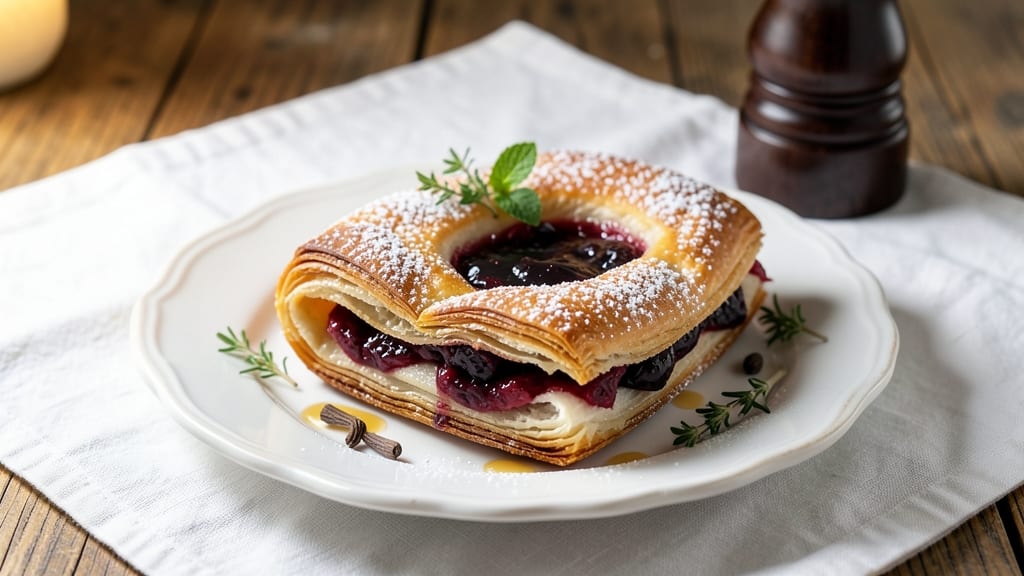
This Danish-inspired sweet flaky pastry from Denmark cookie jam recipe delivers shatteringly flaky layers that encase rich, jam-filled centers—every bite feels like biting into a buttery cloud. 🌟 The secret lies in a high-fat dough that develops delicate, paper-thin layers when chilled properly, while the jam filling adds a burst of fruity sweetness that contrasts perfectly with the buttery crust.
I’ve perfected this recipe over years of baking, ensuring the pastry stays crisp at the edges while remaining tender inside.
The dough begins with a simple but crucial technique: cutting cold butter into flour until it resembles coarse crumbs. This creates the signature flakiness, and chilling the dough between folds ensures each layer separates cleanly.
For the jam filling, I recommend using a high-quality raspberry or apricot jam—its tartness balances the richness of the pastry, while a touch of cardamom in the dough adds a subtle Danish-inspired warmth.
What you’ll end up with is a dessert that looks as impressive as it tastes: golden, crisp-edged pastries with jam oozing at every bite.
The contrast between the buttery, flaky crust and the jam’s sweet-tart filling makes this recipe a showstopper for holidays, brunch spreads, or even a special afternoon treat. Each piece is light enough to eat without guilt but rich enough to satisfy any sweet tooth.
For a modern twist, try swapping the jam for a spiced chai-infused compote or using gluten-free flour in the dough. The technique remains the same—just adjust the ingredients to fit your preferences. Let’s get baking!
Ingredients for sweet flaky pastry from denmark cookie jam
Buttery layers and jam-packed centers—these 12 ingredients deliver restaurant-quality Danish pastries at home.
| Ingredient | Amount | Notes |
|---|---|---|
| All-Purpose Flour 🌾 | 2 ½ cups | Sifted for light texture |
| Unsalted Butter 🧈 | 1 ½ cups | Cold, cubed, high-fat preferred |
| Granulated Sugar 🍚 | ¼ cup | Superfine for smoother dough |
| Cardamom Pods 🌿 | ½ tsp | Ground, aromatic variety |
| Salt 🧂 | ½ tsp | Fine sea salt preferred |
| Ice Water 💧 | ⅓ cup | Chilled for dough binding |
| Raspberry Jam 🍓 | 1 cup | High-quality, seedless preferred |
| Powdered Sugar 🍚 | ¼ cup | For dusting pastries |
| Vanilla Extract 🌸 | ½ tsp | Pure, for subtle aroma |
| Egg Yolk 🥚 | 1 whole | For egg wash |
| Heavy Cream 🥛 | ¼ cup | For brushing pastries |
| Almond Slices 🌰 | ¼ cup | For garnish, optional |
The butter is non-negotiable here—European-style unsalted butter with at least 82% fat is ideal, and brands like Plugrá or Kerrygold deliver that signature flakiness. If you're using regular butter, chill it for at least 30 minutes before cutting it into the flour. For cardamom, Penzeys Spices sells high-quality pods, but any aromatic variety works. The jam should be thick and vibrant—avoid watery brands that won't hold their shape. Sift your flour and powdered sugar to ensure a light, airy dough. Preheat your oven to 375°F before baking to maintain consistent temperature.
No cardamom? 1/4 teaspoon of cinnamon adds warmth without the same complexity, though it won't replicate the Danish flavor. Substituting butter with vegetable shortening (like Crisco) will make the pastries flakier but less flavorful. For a gluten-free twist, swap all-purpose flour for a 1:1 gluten-free baking blend—just know the texture will be slightly denser. If your jam is too runny, simmer it for 5-10 minutes to thicken it naturally. The egg wash can be replaced with heavy cream thinned with milk if you're avoiding eggs, though it won't brown as beautifully. For a modern touch, swap raspberry jam for spiced chai-infused compote—simmer 1 cup jam with 1 tsp chai spice blend for 10 minutes.
Store unbaked dough between parchment paper in the fridge for up to 2 days or freeze for up to 3 months. Baked pastries keep at room temperature for 3 days in an airtight container, though they're best enjoyed fresh. For a crispier crust, brush with extra heavy cream before baking. If making ahead, bake the pastries and store them in the freezer—reheat at 350°F for 5-10 minutes to restore their crispness. The almond slices add texture but can be omitted if you prefer a simpler presentation. These pastries reheat beautifully, making them perfect for brunch or holiday gatherings.
Why You'll Love This Recipe
- No-Fuss Dough: I swear by this butter-and-flour combo—just cube the cold butter into the flour, pulse it twice, and you’ve got a silky, effortless dough that doesn’t require kneading. Cardamom pods? Lightly toast and crush them—takes 30 seconds, but the aroma alone makes it worth it.
- Jam-Perfect Pairing: That Denmark cookie jam isn’t just filling—it’s the star. The way the sugar in the jam caramelizes against the flaky layers? Like biting into a warm hug. (Yes, even on a Tuesday night.)
- Breakfast or Dessert: Roll it out for cinnamon rolls in the morning, fold it into triangles for a coffee-cake treat, or cut into stars for holiday gifts. Same dough, endless uses—no extra ingredients, just creativity.
- Chef’s Leftovers Hack: This dough keeps for days in the fridge, and the jam stays fresh for weeks. I’ll often make a double batch: one for breakfast pastries, one for weekend guests. Budget-friendly? Absolutely. Versatile? Oh, you bet.
Step-by-step instructions for sweet Danish-style jam pastries
Master the art of Danish pastry perfection with these precise techniques for shatteringly flaky layers.
👨🍳 Step 1: Create the Signature Danish Dough
In a large mixing bowl, combine the 2.5 cups all-purpose flour, 0.25 cup granulated sugar, 0.5 tsp ground cardamom pods, and 0.5 tsp salt. Whisk gently to distribute the dry ingredients evenly—this prevents lumps in your final dough. Cut in the 1.5 cups cold unsalted butter using a pastry cutter or your fingers until the mixture resembles coarse crumbs with pea-sized butter pieces remaining.
The key here is maintaining cold butter—this creates those signature flaky layers. Work quickly to avoid warming the butter, and avoid overmixing once the butter is incorporated. Gradually add the 0.33 cup ice water, 1 tablespoon at a time, mixing just until the dough begins to come together. It should hold when gently pressed but still feel slightly crumbly—this is perfect for proper lamination later.
🥘 Step 2: Laminate for Maximum Flakiness
Turn the dough onto a lightly floured surface and gently shape into a 12x8-inch rectangle. Wrap tightly in plastic wrap and refrigerate for 30 minutes to firm up. This chilling prevents the butter from melting during the lamination process. After chilling, roll the dough out to 16x10 inches—keep it as even as possible for consistent layers.
Fold the dough into thirds like a letter, then rotate 90 degrees and repeat. Wrap again and refrigerate for another 30 minutes. This three-fold technique creates the signature Danish layers. For best results, work quickly to maintain cold temperatures—warm dough destroys the flakiness we're after.
🍳 Step 3: Assemble and Fill the Pastries
Roll the chilled dough out to 18x12 inches on parchment paper. Using a 3-inch round cutter, cut out circles and transfer to a parchment-lined baking sheet. Place 1 teaspoon of raspberry jam in the center of each circle. Fold the dough over the jam to form half-moons, sealing the edges by pinching gently with your fingers.
Brush the sealed edges with the 1 whole egg yolk mixed with 0.5 tsp vanilla extract for a golden finish. The jam should be visible through the translucent dough—this ensures even baking and maximum flavor infusion. Space the pastries 1 inch apart on the baking sheet to allow for proper browning.
🔥 Step 4: Bake to Golden Perfection
Preheat your oven to 375°F and bake the pastries for 18-22 minutes until they're golden brown with a slightly crisp exterior. The edges should pull away from the parchment paper easily, and you should smell that buttery, jammy aroma filling your kitchen. For extra shine, brush the baked pastries with 0.25 cup heavy cream while still warm.
Sprinkle with 0.25 cup powdered sugar and 0.25 cup almond slices immediately after baking while the pastries are still warm. The sugar will melt slightly, creating a delicate glaze, and the almonds will toast beautifully. Let cool on a wire rack for 5 minutes before serving to allow the sugar coating to set properly.
Pro Tips For Making Sweet Flaky Pastry From Denmark Cookie Jam
- CHILL THE BUTTER FIRST: Cold butter is your flakiness insurance—no exceptions. Take the butter straight from the fridge, cut it into ½-inch cubes, and let it sit on the counter for exactly 10 minutes before mixing with flour. I learned this the hard way when my pastry turned out dense because the butter melted too fast into warm hands.
- CRUSH CARDAMOM RIGHT: Skip the pre-ground stuff—whole cardamom pods make a real difference. Lightly toast them in a dry pan for 30 seconds, then crush them with the flat side of a knife or a rolling pin until you see tiny specks. This releases the flavor without bitterness, and it’s way fresher than store-bought powder.
- WORK FAST AFTER MIXING: Once you’ve combined the dry ingredients and butter into a dough, don’t overthink it. The butter starts softening the second it touches flour, so cut and fold the dough quickly—no more than 2 minutes per fold—and keep everything cold. I used to dawdle, and the result was always a sad, greasy mess instead of flaky layers.
- REST THE DOUGH LONGER: This isn’t the prettiest method, but it’s the tastiest: wrap the dough in plastic and refrigerate it for at least 2 hours, ideally overnight. The longer it rests, the more the gluten relaxes and the butter redistributes, giving you those perfect, airy layers. I know, I know—you’re eager to bake—but trust the process.
Dietary considerations for this sweet flaky pastry from denmark cookie jam
Gluten-Free Adaptation
For a gluten-free version, replace the 2.5 cups all-purpose flour with a 1:1 gluten-free baking blend like King Arthur Measure for Measure or Bob’s Red Mill 1-to-1 Gluten-Free Flour. The texture will be slightly denser, but the flakiness remains.
Chill the dough 10 minutes longer between folds to compensate for the lack of gluten elasticity. Use 1 extra tablespoon of ice water to help bind the dough properly.
Dairy-Free Options
Swap the 1.5 cups unsalted butter for 1.5 cups dairy-free margarine (like Miyoko’s European-Style Vegan Butter) or vegetable shortening (like Crisco). For the egg wash, replace the 1 egg yolk with 1 tablespoon melted dairy-free butter mixed with 0.5 teaspoon vanilla extract.
The pastries will still brown beautifully, though the flavor will be slightly less rich.
Nut-Free Version
Skip the 0.25 cup almond slices and replace them with 0.25 cup crushed pistachios (if nut-free isn’t required) or toasted coconut flakes for a dairy-free, nut-free option.
The pastries will still look elegant and taste just as delicious. For extra sparkle, dust with powdered sugar or sprinkle with edible gold leaf after baking.
Lower Sugar Adaptation
Reduce the 0.25 cup granulated sugar in the dough to 0.2 cup and replace the 0.25 cup powdered sugar topping with 0.2 cup coconut sugar for a lower-glycemic option. Use a sugar-free jam (like Smucker’s Sugar-Free Raspberry Spread) to cut back on added sugars while keeping the sweet-tart balance.
The pastries will still be tender but slightly less sweet.
Vegan-Friendly Swaps
For a fully vegan version, use 1.5 cups vegan butter (like Earth Balance) and replace the 1 egg yolk with 1 tablespoon aquafaba (chickpea brine) mixed with 0.5 teaspoon vanilla extract.
Brush the pastries with 0.25 cup coconut cream instead of heavy cream for a neutral flavor. The texture will be just as flaky, though the color may be slightly lighter.
Nutrition facts
Frequently asked questions
What makes this Danish pastry so flaky?
The secret lies in the high-fat butter (82% fat preferred) that's cut into the flour until it resembles coarse crumbs, creating thousands of thin butter layers. Chilling the dough between folds prevents the butter from melting, allowing each layer to separate beautifully during baking. The three-fold lamination technique is key—this creates the signature Danish flakiness.
Can I use any jam for this recipe?
While you can use most seedless jams, raspberry or apricot work best—their tartness balances the buttery richness. For a modern twist, try spiced chai-infused jam or citrus marmalade. Avoid watery jams that won't hold their shape when baked. The jam should be thick enough to stay put when folded into the dough.
Why is my dough too sticky or crumbly?
Sticky dough usually means too much liquid—add 1 tablespoon more flour at a time until it holds together when pressed. Crumbly dough often comes from warm butter or overmixing. Keep everything chilled, work quickly, and avoid overworking the dough once the butter is incorporated. The dough should feel slightly crumbly but come together when pressed.
How do I store these pastries?
Keep baked pastries in an airtight container at room temperature for 3 days or freeze for up to 3 months. For best texture, reheat frozen pastries at 350°F for 5-10 minutes. Unbaked dough can be refrigerated for 2 days or frozen for 3 months—just let it thaw completely before rolling.
Can I make this recipe without cardamom?
Yes! Replace the 0.5 tsp cardamom with 0.25 tsp cinnamon for warmth or 0.125 tsp vanilla bean powder for a subtler flavor. While cardamom gives that authentic Danish touch, these alternatives still complement the buttery pastry beautifully. The dough will taste slightly different but maintain its signature texture.