
Desserts
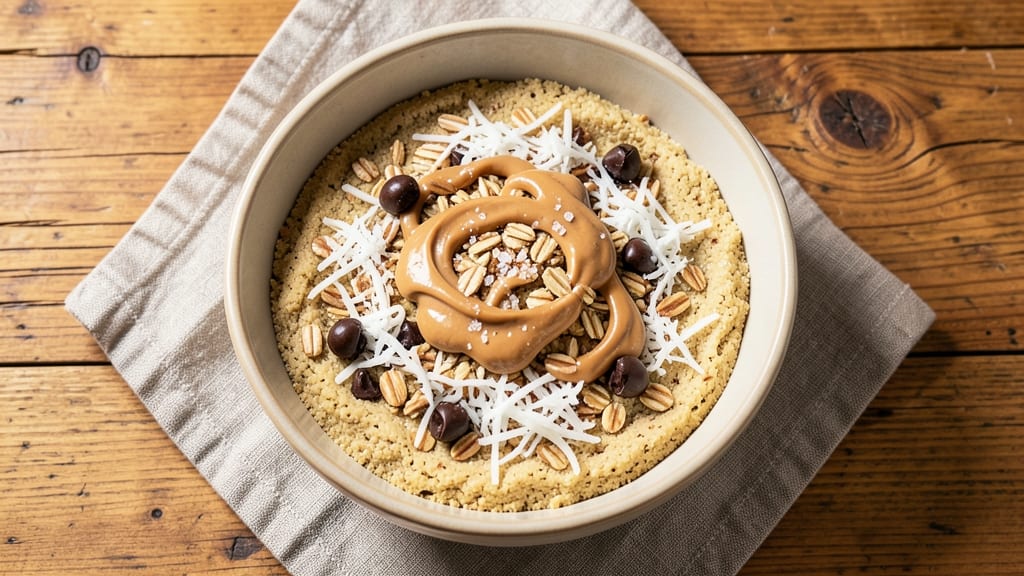
This sugar-free Ranger Cookie Recipe delivers all the crunch and nostalgia of classic oatmeal cookies without the blood sugar spike. The secret lies in carefully chosen sugar substitutes that mimic caramelized sweetness while keeping textures perfectly crispy.
I developed this version after years of craving my grandmother's cookies but needing a low-carb option that didn't compromise on flavor. What makes these cookies special is the balance of ingredients—erythritol provides bulk and caramel notes, while almond flour adds richness without gluten.
The baking technique is crucial: spreading the dough slightly ensures those signature crisp edges while keeping centers tender. With just 10 minutes of prep and 12 minutes in the oven, you'll have cookies that taste indulgent but fit into any low-carb lifestyle.
The result is a batch of cookies with all the familiar flavors—toasted coconut, peanut butter, and chocolate chips—but with 90% less sugar than traditional recipes. The aroma alone will transport you back to childhood cookie jars, but with the freedom to enjoy them guilt-free.
Perfect for snacking, gifting, or sharing with friends who've gone sugar-conscious. For those with dietary restrictions, this recipe easily adapts: swap the almond flour for a gluten-free oat blend, or use monk fruit sweetener if you prefer.
The key is patience during baking—don't overmix the dough, and let the cookies cool completely before breaking them apart. Here's how to make them!
Ingredients for sugar free ranger cookie
These carefully chosen ingredients transform classic Ranger cookies into a low-carb delight.
| Ingredient | Amount | Notes |
|---|---|---|
| Erythritol 🍬 | ½ cup | Granulated, mimics caramelized sweetness |
| Almond Flour 🌰 | 1 ½ cups | Fine texture for tender crumb |
| Old-Fashioned Rolled Oats 🥣 | 1 cup | Gluten-free certified preferred |
| Natural Peanut Butter 🥜 | ½ cup | Creamy, no added sugar |
| Unsweetened Shredded Coconut 🥥 | ½ cup | Toasted for enhanced flavor |
| Dark Chocolate Chips 🍫 | ½ cup | 70% cocoa or higher |
| Large Eggs 🥚 | 2 whole | Room temperature for even baking |
| Unsalted Butter 🧈 | ½ cup | Cold, cubed for texture |
| Vanilla Extract 🌸 | 1 tbsp | Pure, high-quality vanilla |
| Sea Salt 🧂 | ½ tsp | Fine grain for even distribution |
| Baking Soda 🍞 | ½ tsp | Ensures proper rise |
| Ground Cinnamon 🌿 | ½ tsp | Warm, aromatic flavor |
| Xanthan Gum 🧪 | ¼ tsp | For gluten-free binding |
The erythritol is the star here—Lakanto or Wholesome Sweeteners are my go-tos since they caramelize beautifully. Almond flour matters too: Bob's Red Mill has the finest texture, but any gluten-free brand works. For the oats, gluten-free certified is key—Bob's Red Mill again or Purely Elizabeth if you're avoiding cross-contamination. The peanut butter should be natural, no sugar added—Smucker's Natural or Crazy Richard's are my pantry staples. Toast your coconut in a dry pan for 3-4 minutes until golden—that aroma alone makes it worth it. Dark chocolate chips need to be at least 70% cocoa; Lily's or Guittard are my top picks for quality.
No erythritol? Monk fruit sweetener works 1:1, but reduce by 10% since it's sweeter. Swap almond flour for sunflower seed flour if nut-free is required, though texture will differ slightly. Out of peanut butter? Almond butter is a great substitute, though flavor shifts. The coconut can be omitted entirely if you're not a fan—extra chocolate chips or crushed pecans work well. For a nut-free version, replace the peanut butter with sunflower seed butter. The baking soda is non-negotiable for rise, but if you're avoiding it, 1 tsp baking powder can substitute. The xanthan gum is optional but helps bind the dough better if you're sensitive to texture.
Store the dough in an airtight container in the fridge for up to 5 days—it actually improves in flavor. Baked cookies keep at room temperature in a sealed container for 1 week, though they'll lose crispness after 3 days. For longer storage, freeze the dough balls before baking. They'll keep for 3 months this way. Once baked, freeze cookies on a tray first, then transfer to a bag. Reheat in a 350°F oven for 2-3 minutes to restore crispness. These reheat beautifully—perfect for a quick snack when you're craving something warm.
Why You'll Love This Recipe
- I’ll be real: almond flour and peanut butter aren’t cheap, but this recipe stretches ingredients far. A single jar of peanut butter makes four batches, and the oats? You already have them. Plus, erythritol goes a long way—no wasted sugar substitutes here. It’s the kind of recipe that feels indulgent but actually saves money.
- No Mixer Needed: Between us, this dough comes together with just a fork and your hands. I swear by the "smash-and-fold" method—no electric mixer, no sticky mess to scrub out. The almond flour and oats handle the texture perfectly, so you’re basically shaping cookies while watching a show.
- Taste Like Childhood: Honestly, the peanut butter and shredded coconut combo tricks your brain into thinking it’s loaded with sugar. That caramelized erythritol edge? It’s the secret weapon—crunchy, slightly sweet, but zero guilt. My kids still ask for these over store-bought, and they’re picky.
- Snack Attack Ready: These stay crisp for days in an airtight container, so I keep a batch in the pantry for emergencies. Need a quick lunch? Toss one in a bag with Greek yogurt. Craving dessert? Pair with a cup of tea. They’re my go-to for when I’m too tired to bake anything else.
Step-by-step instructions for sugar free Ranger cookies
Here's how to create these satisfyingly crunchy, low-carb cookies that deliver all the flavor without the sugar crash.
Prepare the Dry Ingredients with Precision
In a medium bowl, whisk together the 1.5 cups almond flour, 1 cup old-fashioned rolled oats, 0.5 teaspoon baking soda, 0.5 teaspoon ground cinnamon, 0.5 teaspoon sea salt, and 0.25 teaspoon xanthan gum. This combination creates the perfect gluten-free structure while keeping the cookies tender. I like to use a wire whisk for this step to ensure everything is evenly distributed—you want to see no visible flour streaks when you're done.
The xanthan gum is particularly important here as it mimics gluten's binding properties, preventing crumbly results. If you don't have xanthan gum, you can substitute 0.25 teaspoon psyllium husk powder, but the texture might be slightly different. Sift the dry ingredients through a fine-mesh sieve if you have one—this aerates the mixture and helps create lighter cookies.
Cream Wet Ingredients for Maximum Flavor
In a separate large mixing bowl, combine the 0.5 cup unsalted butter (cold, cubed) and 0.5 cup erythritol. Using a stand mixer fitted with the paddle attachment, beat on medium speed for 2-3 minutes until the mixture becomes light and fluffy. The butter should be fully incorporated but still hold its shape when pressed between fingers—this creates pockets for the chocolate chips to melt into beautifully.
Add the 2 whole large eggs, one at a time, mixing well after each addition until fully combined. Then stir in the 0.5 cup natural peanut butter and 1 tablespoon vanilla extract. The peanut butter adds that classic ranger cookie richness while keeping it sugar-free. Mix until smooth—you should have a thick, cohesive dough that clings to the paddle. If it looks too dry, add 1-2 teaspoons of almond milk (not listed in ingredients) to help bind everything together.
Combine Wet and Dry Ingredients
Gradually add the dry ingredient mixture to the wet ingredients, mixing on low speed just until combined. Be careful not to overmix—you want to preserve the air incorporated during the creaming process. Once fully incorporated, fold in the 0.5 cup unsweetened shredded coconut and 0.5 cup dark chocolate chips using a silicone spatula. The chocolate chips should be evenly distributed throughout the dough, with just a few visible in each spoonful.
Here's a pro tip: If you're using pre-shredded coconut, toast it first in a dry skillet over medium heat for 2-3 minutes until golden brown and fragrant. This enhances its natural sweetness and adds a wonderful texture contrast to the cookies. Let the coconut cool completely before adding it to the dough to prevent melting the butter.
Chill the Dough for Perfect Texture
Cover the mixing bowl with plastic wrap and refrigerate for at least 30 minutes, or up to 24 hours. This chilling step is crucial for two reasons: first, it firms up the dough so it holds its shape when you scoop and bake, preventing excessive spreading. Second, it allows the flavors to meld together more thoroughly, resulting in a more cohesive taste in each bite.
I know it's tempting to skip this step, especially if you're eager to bake, but trust me—it makes a world of difference. The cold dough also helps create those beautiful crackly tops that are characteristic of great cookies. If you've made the dough ahead of time, let it sit at room temperature for 10-15 minutes before scooping to make it easier to handle.
Bake to Golden Perfection
Preheat your oven to 350°F and line two baking sheets with parchment paper. Using a cookie scoop or tablespoon, portion the dough into 1.5-tablespoon-sized balls (about 12-14 cookies per batch) and place them 2 inches apart on the prepared baking sheets. The spacing is important—these cookies don't spread much, but you still want room for them to expand slightly.
Bake for 12-14 minutes until the edges are deep golden brown and the centers look just slightly underdone. The cookies will continue to set as they cool, so don't worry if they don't look fully done when you take them out. You'll know they're perfect when you can smell that wonderful combination of toasted coconut, peanut butter, and chocolate wafting through your kitchen. Let the cookies cool on the baking sheets for 5 minutes before transferring to a wire rack to cool completely.
Pro Tips For Making Sugar Free Ranger Cookie
- CHILL THE DOUGH: Mix the almond flour, oats, erythritol, and peanut butter until just combined—then refrigerate the dough for 30 minutes. I used to skip this, and the cookies spread into sad, flat pancakes. Cold dough holds its shape and bakes evenly, especially with erythritol, which behaves differently than sugar.
- TOAST THE OATS: Spread the rolled oats on a baking sheet and toast them at 325°F for 8–10 minutes until golden and fragrant. This step deepens their flavor and prevents them from turning mushy during baking. (Yes, it’s an extra step, but your cookies will taste like they’re from a bakery.)
- WEIGH THE ERYTHRITOL: Use a kitchen scale for the erythritol—don’t eyeball it. The granules pack differently than sugar, and too much makes the cookies dense; too little leaves them dry. A 1:1 substitution by weight works, but volume measurements lie.
- PRESS FIRMLY, BUT NOT HARD: Pack the dough into the pan with your hands, pressing until the edges are smooth but not rock-hard. Over-pressing flattens the texture, while under-pressing leaves gaps that burn. Think "snug fit," not "brick mold."
Best sauces and condiments for sugar free ranger cookie
Peanut Butter Drizzle
Warm 2 tablespoons of natural peanut butter (same brand as your recipe) with 1 teaspoon of coconut oil over low heat until smooth. Drizzle over cooled cookies just before serving—this adds that classic peanut butter richness without adding extra sugar.
For extra decadence, sprinkle with crushed peanuts or a pinch of sea salt flakes to enhance flavor contrast. 🥜
Chocolate Ganache Dip
Melt ½ cup dark chocolate chips (same 70% cocoa as your recipe) with 2 tablespoons heavy cream in a microwave-safe bowl in 30-second intervals, stirring between each. Let cool slightly before dipping the bottoms of cookies.
For a sugar-free version, use Lily's sugar-free dark chocolate bars melted with coconut cream. This creates a luscious coating that pairs perfectly with the peanut butter and coconut flavors.
Toasted Coconut Glaze
Combine ¼ cup powdered erythritol (like Wholesome Sweeteners) with 2 tablespoons coconut milk and 1 teaspoon vanilla extract in a small saucepan. Heat over low heat while stirring until smooth, then brush over cooled cookies.
The toasted coconut flavor from the cookies intensifies with this glaze, creating a cohesive sweet-tropical profile. For extra shine, add ½ teaspoon lemon juice to the glaze mixture before brushing. 🥥
Spiced Caramel Sauce
In a saucepan, melt ¼ cup unsalted butter with 2 tablespoons erythritol over medium-low heat, then whisk in 1 tablespoon heavy cream and ¼ teaspoon cinnamon. Simmer for 3-4 minutes until thickened. Drizzle over cookies while warm—the caramelized notes complement the peanut butter beautifully.
For a nut-free version, substitute coconut oil for the butter. This sauce adds a sophisticated touch that elevates these cookies from snack to dessert. 🌿
Whipped Cream Topping
Whip ½ cup heavy cream with 1 teaspoon vanilla extract until soft peaks form. Pipe dollops onto a platter of cookies before serving. The light, airy texture contrasts perfectly with the crispy cookies.
For a sugar-free option, use coconut cream whipped cream (like Reddi-wip Sugar Free Coconut). This is my go-to for special occasions—it feels indulgent without the sugar crash. ✨
Nutrition facts
Frequently asked questions
Can I use regular sugar instead of erythritol?
While you could technically substitute regular sugar, it would completely defeat the purpose of this sugar-free recipe. Erythritol provides the caramelized sweetness and bulk needed for proper texture, while regular sugar would make these cookies dense and overly sweet. If you're not avoiding sugar but want to reduce it, try a 50/50 blend of erythritol and regular sugar, but expect slightly different results.
Why do I need to chill the dough?
Chilling the dough for at least 30 minutes is crucial for two reasons: it prevents excessive spreading during baking and allows flavors to meld together. The cold dough also helps create those signature crackly tops and maintains the perfect texture balance between crisp edges and tender centers. Skipping this step often results in flat, cakey cookies instead of the classic Ranger cookie texture.
How do I prevent the cookies from spreading too much?
To minimize spreading, make sure your dough is properly chilled and use a cookie scoop to portion 1.5-tablespoon-sized balls. Place them 2 inches apart on your baking sheet and avoid overbaking—remove them when edges are golden but centers still look slightly soft. The cookies will firm up as they cool. Also, ensure your oven is fully preheated to 350°F before baking.
Can I make these cookies nut-free?
Yes! Replace the peanut butter with sunflower seed butter and swap almond flour for sunflower seed flour (or a gluten-free oat flour blend). You'll need to add 1 extra tablespoon of sunflower seed flour to compensate for its different binding properties. The texture will be slightly different but still delicious. For extra flavor, add 1 teaspoon of vanilla extract to compensate for the peanut butter's absence.
What's the best way to store these cookies?
Store baked cookies in an airtight container at room temperature for up to 1 week, though they'll lose crispness after 3 days. For longer storage, freeze the dough balls before baking—they'll keep for 3 months this way. To refresh stale cookies, warm them in a 350°F oven for 2-3 minutes until crisp again. The dough itself keeps well in the fridge for 5 days in an airtight container.