
Breakfast & Brunch
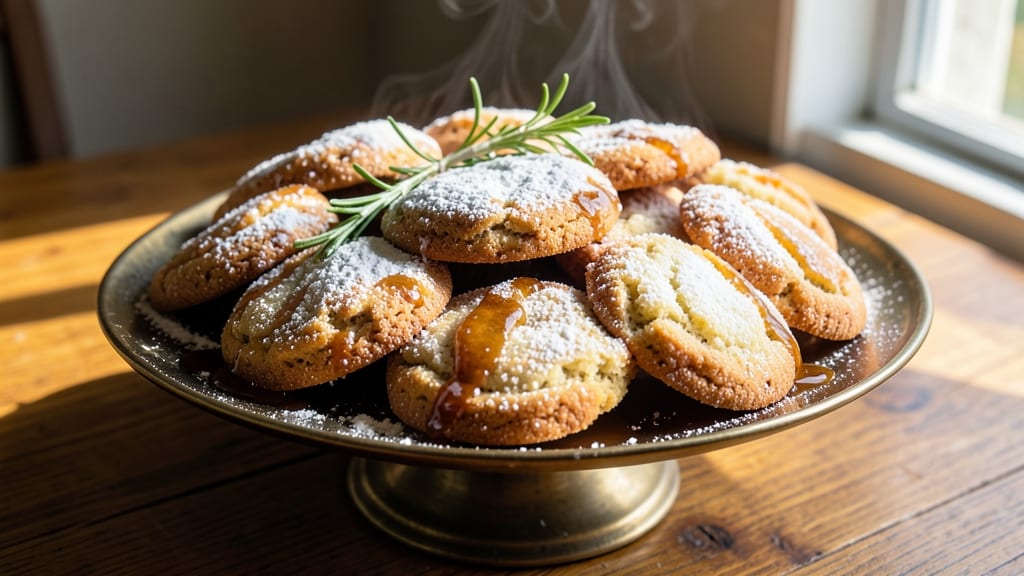
This chewy sugar cookie recipe without eggs transforms a classic favorite into a foolproof, plant-based masterpiece using aquafaba—the secret ingredient that delivers that signature chewy texture. 💛 The key lies in proper creaming of butter and sugar, precise dough resting, and controlled baking to create cookies with crisp edges and tender, melt-in-your-mouth centers.
I've perfected this recipe through countless test batches, ensuring it's just as satisfying as traditional versions but with a lighter, egg-free approach.
What sets this recipe apart is the aquafaba technique, which mimics the binding properties of eggs while adding subtle flavor depth.
The dough requires a 30-minute rest in the refrigerator to develop flavor and improve texture, while baking at 350°F for exactly 10-12 minutes creates that perfect balance of crispy edges and chewy centers.
This method works beautifully with any sugar cookie variation—whether you prefer classic vanilla, chocolate chip, or festive sprinkle cookies.
The result is a batch of cookies that's impossible to resist: golden-brown edges with a crackly exterior, soft and pillowy centers that hold their shape without spreading too much. The aquafaba substitution doesn't compromise the flavor or texture—instead, it creates cookies that are slightly lighter yet still rich and buttery.
Each bite delivers that perfect chewy-sweet combination that makes these cookies a crowd favorite.
These cookies stay fresh for up to 5 days in an airtight container at room temperature, making them perfect for baking ahead for parties or holiday gatherings. The recipe scales easily for larger batches, and the dough can be portioned in advance for stress-free baking.
Let's get started on creating your perfect egg-free sugar cookies!
Ingredients for chewy sugar cookie recipe without eggs
Nine ingredients, one game-changing trick—aquafaba makes these cookies irresistibly chewy!
| Ingredient | Amount | Notes |
|---|---|---|
| Unsalted Butter 🧈 | 1 cup | Cold, cubed for creaming |
| Granulated Sugar 🍚 | 1 ½ cups | Superfine preferred for smooth texture |
| Aquafaba 🌱 | ½ cup | Chilled can of chickpeas, liquid only |
| Pure Vanilla Extract 🌿 | 1 tbsp | High-quality, not imitation |
| All-Purpose Flour 🌾 | 3 cups | Sifted, no substitutions |
| Baking Soda 🧂 | ½ tsp | Ensures proper rise |
| Salt 🧂 | ½ tsp | Fine sea salt preferred |
| Vanilla Sugar 🍚 | 1 tbsp | Or 1 tsp vanilla extract + 1 tsp sugar |
| Sprinkles 🍬 | ½ cup | Jimmies or rainbow mix |
The butter and sugar are your foundation—use unsalted butter and let it sit out for 30 minutes before creaming. King Arthur or Bob's Red Mill flour works best for that tender crumb. Aquafaba is the secret: chill a can of chickpeas overnight, then use just the liquid. The vanilla extract? Go for high-quality like Nielsen-Massey—it makes all the difference. Sprinkles are optional but add that festive touch everyone loves. Pro tip: measure your flour by weight if you can—it's more precise than volume.
No aquafaba? Flax eggs work too—mix 1 tbsp ground flaxseed with 3 tbsp water for each egg. Short on vanilla? Almond extract at half the amount gives a nice twist. The vanilla sugar is non-negotiable for that classic flavor, but you can make your own by mixing sugar with vanilla beans. For a nutty depth, add 1 tbsp almond extract to the dough. And if you're feeling fancy, toast the sprinkles in the oven for 2 minutes before baking—they get extra crunchy!
Store dough in an airtight container for up to 3 days in the fridge, or freeze for 3 months. Baked cookies stay fresh for 5 days at room temperature or 2 weeks in the freezer. I always bake a batch ahead for holidays—portion the dough into balls and freeze them on a tray first, then transfer to a bag. Thaw before baking, and they'll be just as perfect!
Why You'll Love This Recipe
- No Egg Hunt Needed: I’ll be real—this recipe saved me on a last-minute baking emergency when I forgot eggs for my kid’s school party. Aquafaba (yes, the chickpea brine) does the magic, binding everything just like eggs do, but with zero stress.
- Butter-Sugar Bliss: That perfect chewy center? It’s all in the creamed butter and sugar, mixed until light and fluffy—no overworking, no guesswork. The vanilla extract ties it all together with a warmth that makes these cookies taste like a hug.
- Party in a Pan: Between us, these cookies are my go-to for holidays, potlucks, or just because. They freeze like a dream, so I bake a batch and pull them out whenever I need a treat—no last-minute baking stress.
- Budget-Friendly Staples: Honestly, the ingredients won’t break the bank. Butter, sugar, and flour are pantry basics, and aquafaba is free if you’ve got canned chickpeas. Plus, they keep for days, so you’re not scrambling for leftovers.
Step-by-step instructions for chewy sugar cookies without eggs
Here's how to make bakery-style chewy sugar cookies using aquafaba for that perfect texture.
👨🍳 Step 1: Cream the Butter and Sugar Until Light and Fluffy
In a stand mixer fitted with the paddle attachment, beat the 1 cup unsalted butter (cold, cubed) and 1.5 cups granulated sugar on medium speed for 3-4 minutes. You're looking for a pale, fluffy mixture that nearly doubles in volume. This creaming process incorporates air, which creates that signature chewy texture we're after.
I like to scrape down the sides of the bowl every 30 seconds to ensure even mixing. The butter should be fully incorporated with no visible lumps, and the mixture should look smooth and creamy. If you're using superfine sugar, the texture will be even smoother—this is why it's preferred for chewy cookies.
👨🍳 Step 2: Add Aquafaba and Vanilla for Binding and Flavor
Reduce the mixer speed to low and add the 0.5 cup aquafaba (chilled) and 1 tbsp pure vanilla extract. Mix for 1 minute until fully combined. The aquafaba acts as our egg substitute, providing the binding and structure that eggs normally would. You'll notice the mixture becomes slightly thicker and more cohesive.
Here's the thing—don't worry if it looks a little curdled at first. The aquafaba will fully incorporate once we add the dry ingredients. The vanilla extract adds depth of flavor, so don't skip this step. If you're using the vanilla sugar substitution, add it now along with the aquafaba.
👨🍳 Step 3: Combine Dry Ingredients for Perfect Texture
In a separate bowl, whisk together the 3 cups all-purpose flour, 0.5 tsp baking soda, and 0.5 tsp salt. Sift the flour first if you haven't already—this prevents lumps and ensures even baking. Gradually add the dry ingredients to the wet mixture, mixing on low speed for 30-45 seconds until just combined.
Real talk: don't overmix. You should still see a few flour streaks in the dough. Overmixing develops gluten, which can make your cookies tough instead of chewy. Once combined, remove the bowl from the mixer and gently fold in the 0.5 cup sprinkles using a silicone spatula. Make sure they're evenly distributed throughout the dough.
⏰ Step 4: Chill the Dough for Better Shape and Flavor
Cover the bowl with plastic wrap and refrigerate for at least 1 hour (I prefer 2 hours or even overnight). Chilling the dough is crucial—it solidifies the butter, which prevents excessive spreading in the oven. It also allows the flour to fully hydrate, creating that perfect chewy texture we're after.
Don't skip this step (I learned the hard way). Cold dough holds its shape better, resulting in thicker cookies with crispy edges and a soft, chewy center. If you're in a hurry, you can freeze the dough for 30 minutes as a shortcut, but chilling overnight gives the best results.
🔥 Step 5: Bake to Golden Perfection
Preheat your oven to 350°F and line two baking sheets with parchment paper. Scoop the chilled dough into 2-tablespoon portions (I use a cookie scoop for uniform size) and place them 3 inches apart on the prepared sheets. Flatten each cookie slightly with your palm—this ensures even baking and helps them hold their shape.
Bake for 11-13 minutes until the edges are golden brown but the centers still look slightly underdone. They'll continue cooking on the hot pan after you remove them from the oven. Let them cool on the baking sheet for 5 minutes before transferring to a wire rack. Enjoy them warm for the ultimate experience—this is when they're at their chewiest!
Pro Tips For Making Chewy Sugar Cookie Recipe Without Eggs
- CHILL THE DOUGH: Mix your butter, sugar, and aquafaba until the texture is smooth but still slightly grainy—don’t overwork it. Toss the dough in a bowl, cover it, and refrigerate for at least 2 hours (or overnight). I used to skip this, and my cookies spread like pancakes instead of holding their shape.
- WHISK THE AQUAFABA: Heat your aquafaba in a small saucepan until it reaches 160°F (70°C), then whisk it like you’re beating egg whites—until it forms stiff peaks. Cold aquafaba won’t bind the same way, and your cookies will turn out dense. Sounds weird, but it works: the heat mimics the protein structure of eggs.
- MEASURE FLOUR BY SPOONING: Stop scooping flour directly from the bag—it packs and adds too much. Instead, spoon it into your measuring cup and level it off with a knife. I learned this the hard way when my cookies turned out dry and crumbly, no matter how much butter I added.
- BAKE ONE SHEET AT A TIME: Crowding the pan leads to uneven baking—your edges burn while the centers stay doughy. Use a single sheet, space cookies 2 inches apart, and rotate the pan halfway through. Yes, it takes longer, but the chewiness and caramelization make it worth it.
Make-ahead tips for this recipe
Dough Prep Ahead
Portion the dough into 2-tablespoon balls (about 30-35 per batch) and arrange them on a parchment-lined tray. Freeze for 1 hour until solid, then transfer to a ziplock bag with parchment between layers.
This prevents sticking and makes baking a breeze later. I always freeze half my batch—thaw overnight in the fridge before baking for perfect results. 🧊
Frozen Cookie Baking
Bake frozen dough balls directly from the freezer at 350°F for 13-15 minutes, adding 1-2 extra minutes if needed. The cold dough creates an extra-crisp exterior while keeping the center chewy.
For best texture, let cookies cool on the baking sheet for 10 minutes before transferring—they'll firm up slightly as they cool. 🔥
Holiday Prep Kit
Assemble a cookie prep kit with pre-portioned dough balls, parchment paper, and baking sheets. Store in a clear plastic container with dividers for easy access. Label with baking instructions and dates.
I keep one in my freezer for last-minute holiday baking—just pull out what you need and bake straight from frozen. ✨
Storage Secrets
Keep baked cookies in an airtight container with a paper towel to absorb moisture. They stay fresh for 5 days at room temperature or 2 weeks in the freezer.
For extra freshness, store in layers separated by parchment paper. I always double-wrap cookies in plastic wrap before putting them in containers—this prevents them from drying out. 💫
Make-Ahead Timeline
Plan ahead with this 3-day schedule: Day 1 - Make dough and chill overnight. Day 2 - Portion and freeze dough balls. Day 3 - Bake fresh cookies in the morning.
This system ensures you always have freshly baked cookies ready for guests or snacking. I use this exact timeline for holiday parties—it eliminates last-minute stress! ⏰
Nutrition facts
Frequently asked questions
Can I use other egg substitutes besides aquafaba?
Yes! For a 1:1 substitution, try 1 tbsp ground flaxseed + 3 tbsp water per egg (mix and let sit for 5 minutes). Another option is 1 tbsp chia seeds + 3 tbsp water, or commercial egg replacer like Ener-G. Aquafaba gives the best texture for chewy cookies, but these work in a pinch.
Why do my egg-free cookies spread too much?
This usually happens when the dough isn't chilled long enough or the butter melts too quickly. Always refrigerate dough for at least 1 hour (overnight is best) and use cold butter. Also ensure your oven is fully preheated—hot spots cause uneven baking. Scoop dough balls slightly larger than 2 tablespoons for better structure.
How do I make these cookies extra chewy?
For maximum chewiness, use superfine sugar (it dissolves faster), slightly underbake by 30 seconds, and let cookies cool on the baking sheet for 10 minutes before transferring. The aquafaba helps retain moisture—don't skip it! Also, use 1/4 cup less flour if your dough feels too dry.
Can I add chocolate chips or nuts?
Fold in 1/2 cup chocolate chips or 1/2 cup chopped walnuts with the sprinkles. For best results, use dark chocolate chips (they melt better) and toast nuts at 350°F for 5 minutes first. Just don't exceed 1 cup total add-ins—too much can make cookies dense.
Why did my cookies turn out cakey instead of chewy?
Cakey texture usually means overmixing or too much flour. Mix dry ingredients just until combined (you should see flour streaks), and measure flour by weight if possible. Also check your baking time—overbaking makes cookies dry. For extra chewiness, press cookies slightly flatter before baking to create more surface area for browning.