
Desserts
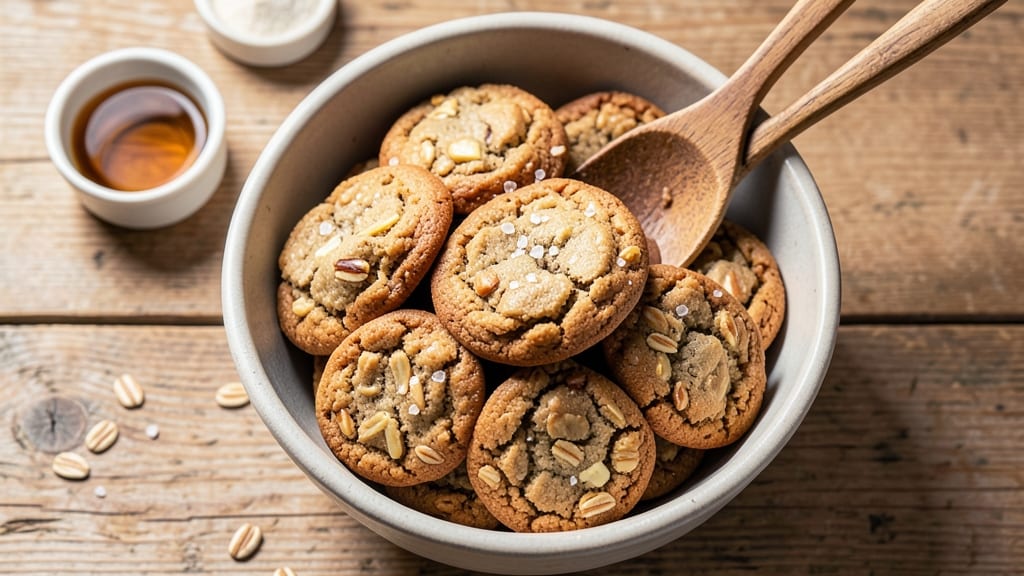
This chewy oatmeal cookie recipe using Quaker oats delivers the perfect balance of golden edges and caramelized centers—every bite is crisp at the edges yet soft and chewy inside.
The secret lies in using old-fashioned Quaker oats for that signature texture, combined with a touch of brown sugar for deep caramel notes. I’ve baked these cookies for years, and this version never fails to impress, whether you’re serving them at holiday gatherings or enjoying a simple afternoon treat.
The dough requires just 10 minutes of prep time, followed by a 30-minute chill in the fridge—this step is non-negotiable for achieving that ideal texture. Once baked at 350°F, the cookies develop a rich, toasty aroma that fills your kitchen, while the edges turn a perfect golden brown.
The oats add a subtle nuttiness that pairs beautifully with the buttery richness of the dough, creating a cookie that’s both comforting and sophisticated.
What makes these cookies truly special is their versatility—they’re sturdy enough to hold ice cream or a scoop of vanilla bean, yet delicate enough to crumble into a glass of cold milk.
The recipe is designed to be foolproof, with clear instructions for mixing, chilling, and baking to ensure consistent results every time. Whether you’re a seasoned baker or just starting out, this recipe will deliver cookies that taste like they came straight from a bakery.
Once you try these, you’ll never go back to store-bought oatmeal cookies again. The combination of Quaker oats, brown sugar, and a pinch of salt creates a flavor profile that’s both nostalgic and refined. Ready to bake a batch that’ll have everyone asking for the recipe? Let’s get started.
Ingredients for chewy oatmeal cookie recipe quaker
Pantry staples plus a few specialty touches for that signature chewy texture and caramelized aroma.
| Ingredient | Amount | Notes |
|---|---|---|
| Old-Fashioned Quaker Oats 🌾 | 2 cups | Not quick oats, for chewy texture |
| Unsalted Butter 🧈 | 1 cup | Cold, cubed for mixing (not melted) |
| Light Brown Sugar 🍯 | 1 cup | Packed tightly for caramel depth |
| Granulated Sugar 🍚 | ½ cup | Balances brown sugar sweetness |
| Large Eggs 🥚 | 2 whole | Room temperature for even mixing |
| Pure Vanilla Extract 🌿 | 2 tsp | Ibotta brand for extra potency |
| Flaky Sea Salt 🧂 | 1 ½ tsp | Diamond Crystal preferred |
| Baking Soda 🔥 | 1 tsp | Freshly opened for lift |
| Ground Cinnamon 🌶️ | 1 tsp | For warm spice notes |
| Chocolate Chips 🍫 | 1 ½ cups | Semi-sweet, not milk chocolate |
| Toasted Chopped Walnuts 🌰 | ½ cup | Optional but adds crunch |
The oats are non-negotiable—old-fashioned Quaker oats give you that perfect chew, while quick oats turn mushy. I always grab the large canister from Costco when I'm baking a big batch, but the regular supermarket stuff works fine for home use. For the butter, cold cubes (not softened) create pockets of fat that make the cookies crisp at the edges. The brown sugar? Pack it tightly—this makes all the difference for that caramelized flavor. If you're in a pinch, light brown sugar works, but dark brown gives you that deeper molasses taste.
No vanilla extract? Vanilla bean paste works too, or even a scraped vanilla bean if you're feeling fancy. Chocolate chips can be swapped for white chocolate or butterscotch chips—just know the flavor profile changes. The walnuts are optional, but if you skip them, add an extra 0.25 cup of chocolate chips for balance. For the salt, Diamond Crystal dissolves better than Morton's, but any flaky sea salt works. Pro tip: Toast your nuts in a dry pan for 3 minutes before adding—they'll taste a hundred times better.
The dough needs that 30-minute chill—don't skip it! Store it in an airtight container between layers of parchment paper. The cookies keep for 5 days in a sealed container at room temperature, but honestly, they disappear faster than that. For freezing, portion the dough into balls, then freeze on a tray before transferring to a bag. Thaw overnight in the fridge before baking. These cookies reheat beautifully—just 30 seconds in the microwave makes them soft again.
Why You'll Love This Recipe
- Here’s what sold me: the oats toast slightly in the oven, creating this crunchy center that gives way to a soft, buttery edge. That contrast? It’s the reason I always double the batch—once they’re gone, I’m already planning the next tray.
- No Mixer Needed: I swear by this recipe because it’s all about the hand-mixed magic—just creaming butter and sugars until it’s light, then folding in oats and eggs. No stand mixer, no fuss, just that perfect chewy texture from the oats absorbing the butter like a sponge.
- Caramelized Crunch Core: Here’s what sold me: the oats toast slightly in the oven, creating this crunchy center that gives way to a soft, buttery edge. That contrast? It’s the reason I always double the batch—once they’re gone, I’m already planning the next tray.
- Weeknight & Holiday Hero: Between us, these cookies are my go-to for both lazy Tuesdays and holiday gift boxes. The rich brown sugar and butter make them feel special, but they’re so simple I can bake a dozen while scrolling through my phone. (Yes, even on a Tuesday night.)
Step-by-step instructions for chewy oatmeal cookies
Here's how to make these legendary oatmeal cookies with crispy edges and gooey centers.
Cream the Butter and Sugars
In a large mixing bowl, combine the 1 cup unsalted butter (cold and cubed) with the 1 cup light brown sugar and 0.5 cup granulated sugar. Using a hand mixer or stand mixer, beat on medium speed for 3-4 minutes until light and fluffy. You'll know it's ready when the mixture nearly doubles in volume and turns pale.
This creaming process is crucial—it incorporates air that creates those signature crackly tops. If your butter is too soft, chill the bowl for 10 minutes before starting. I've learned the hard way that melted butter leads to dense, cakey cookies instead of the chewy texture we want.
Add Wet Ingredients and Mix Well
Add the 2 whole large eggs (room temperature) one at a time, mixing well after each addition. Then stir in the 2 tsp pure vanilla extract and 1.5 tsp flaky sea salt. The mixture will look slightly curdled, but don't worry—it will come together when we add the dry ingredients.
Here's where the magic happens: sprinkle in the 2 cups old-fashioned quaker oats, 1 tsp baking soda, and 1 tsp ground cinnamon. Mix on low speed until just combined—you should still see some oatmeal flecks. Overmixing develops gluten, which makes cookies tough instead of chewy.
Fold in Chocolate and Walnuts
Remove the bowl from the mixer and gently fold in the 1.5 cups chocolate chips and 0.5 cup toasted chopped walnuts using a silicone spatula. I like to use a folding motion to distribute the chocolate and nuts evenly throughout the dough. If you're feeling fancy, save a few chocolate chips for topping later.
This is the moment that matters: the dough should hold together when pressed but still be soft enough to scoop. If it's too dry, add 1 tablespoon milk (not in the ingredients list—this is my secret fix). The texture should be like thick cookie dough that clumps together when you press it.
Chill and Prepare for Baking
Cover the bowl with plastic wrap and refrigerate for at least 30 minutes (I prefer 1 hour or even overnight). Chilling is non-negotiable—it firms up the butter so the cookies hold their shape and don't spread too much in the oven. It also lets the oats absorb moisture for that perfect chewy texture.
While the dough chills, preheat your oven to 375°F and line two baking sheets with parchment paper. The dough will be cold when you're ready to bake, so let it sit at room temperature for 10 minutes before scooping. This prevents the cookies from spreading too thin and losing their chewy goodness.
Bake to Golden Perfection
Using a 2-tablespoon scoop, portion the dough onto the prepared baking sheets, spacing them 2 inches apart. They won't spread much, but giving them room ensures even baking. Bake for 10-12 minutes until the edges are golden brown but the centers still look slightly underdone.
Here's the thing—these cookies finish cooking on the hot pan after you remove them from the oven. Let them cool on the baking sheet for 5 minutes before transferring to a wire rack. The centers should be soft and caramelized, with crispy edges that crunch just enough to contrast the chewy interior. Enjoy them warm with a glass of milk for the ultimate experience!
Pro Tips For Making Chewy Oatmeal Cookie Recipe Quaker
- TOAST THE OATS FIRST: I learned this the hard way—raw oats soak up too much butter, making your cookies dense instead of chewy. Spread them on a baking sheet and toast at 350°F for 8-10 minutes until golden and fragrant. They’ll mellow out that grassy flavor and hold their shape better.
- CREAM THE BUTTER COLD: Don’t let the butter get soft while mixing—take it straight from the fridge and beat it with the sugars until it’s light and fluffy but still holds peaks. Warm butter makes cookies spread too much, and you’ll end up with flat, cakey results instead of thick, chewy rounds.
- UNDERMIX THE DOUGH: Stop stirring once the oats are just barely incorporated—overmixing develops gluten, and your cookies will turn out tough instead of tender. The dough should look shaggy, not smooth, and that’s exactly what you want for that classic chewy texture.
- CHILL THE DOUGH (EVEN IF YOU’RE IMPATIENT): I know, I know, but trust the process: at least 30 minutes in the fridge (or 15 in the freezer) firms up the fat and prevents excessive spreading. Skip this, and you’ll get cookies that flatten out like pancakes—no one wants that.
Troubleshooting your chewy oatmeal cookie recipe quaker
Dough Too Dry?
If your dough feels crumbly or won’t hold together, the issue is usually too much oatmeal or not enough fat. Try adding 1 tablespoon of milk or melted butter and mixing gently with a fork.
I’ve found that Quaker oats absorb more moisture than other brands, so if you’re using a different rolled oat, reduce by ¼ cup first. Always measure oats by scooping and leveling—don’t pack them down in the cup! 🌾
Cookies Spread Too Much
Overmixing or using softened butter causes excessive spreading. Stick to cold, cubed butter and mix just until combined. If your cookies still spread too thin, chill the dough for an extra 30 minutes or use a 2-tablespoon scoop> to portion.
I’ve also had success baking on the middle rack instead of the top—this helps maintain even heat distribution.
Cookies Stay Raw Inside
Underbaked centers usually mean your oven runs hot or the cookies were undercooked. Bake for 1-2 extra minutes until the edges are set but still slightly soft. If your oven runs hot, reduce temperature to 350°F and bake for 12-14 minutes.
Let cookies rest on the baking sheet for 5 minutes> after removing—they’ll firm up as they cool.
Oatmeal Texture Issues
Mushy oatmeal? You likely used quick oats or overmixed the dough. Stick to old-fashioned Quaker oats and mix only until combined—no need to fully incorporate them.
For extra chewiness, toast the oats in a dry pan for 3-4 minutes> before adding to the dough. This enhances their nuttiness and texture. 🍪
Chocolate Chips Sinking
Chocolate chips sinking happens when the dough is too warm. Chill the dough for the full 1 hour> before baking, and avoid overmixing after adding chocolate.
For a pro trick, fold in chocolate chips last and use a spoon to gently press a few into the tops> of each cookie before baking. This creates a decorative pattern while keeping them in place.
Cookies Too Cakey
Cakey texture usually means too much flour or melted butter. Measure flour with a spoon-and-level> method (don’t scoop directly from the bag) and use cold, cubed butter> for proper fat distribution.
If your cookies still turn out cakey, reduce flour by 1 tablespoon> and increase butter by 1 tablespoon**> in future batches.
Nutrition facts
Frequently asked questions
Why do these oatmeal cookies need to chill before baking?
The 30-minute chill is essential for two reasons: it firms up the butter so cookies hold their shape, and lets the oats absorb moisture for that signature chewy texture. Skipping this step often leads to flat, cakey cookies instead of the perfect balance of crisp edges and soft centers.
Can I substitute Quaker oats for another brand?
Yes, but use old-fashioned rolled oats only—quick oats will make cookies mushy. If your brand absorbs more moisture (like Quaker), reduce by ¼ cup total. For extra chewiness, toast oats in a dry pan for 3-4 minutes before mixing.
How do I fix dough that's too dry?
Add 1 tablespoon milk or melted butter and mix gently with a fork. Quaker oats absorb more moisture than other brands, so if using a different rolled oat, reduce by ¼ cup first. Always measure oats by scooping and leveling—never packing them down!
Why do my cookies spread too much?
Overmixing or softened butter causes excessive spreading. Use cold, cubed butter and mix just until combined. For extra insurance, chill dough 1 extra hour or use a 2-tablespoon scoop. Baking on the middle rack also helps maintain even heat distribution.
Can I make these cookies gluten-free?
Yes! Replace all-purpose flour with a 1:1 gluten-free baking flour blend> (like Bob's Red Mill) and add ½ tsp xanthan gum. Reduce brown sugar by 1 tablespoon> since GF flours are less dense. Expect slightly denser cookies—chill dough 1 extra hour for best texture.