
Desserts
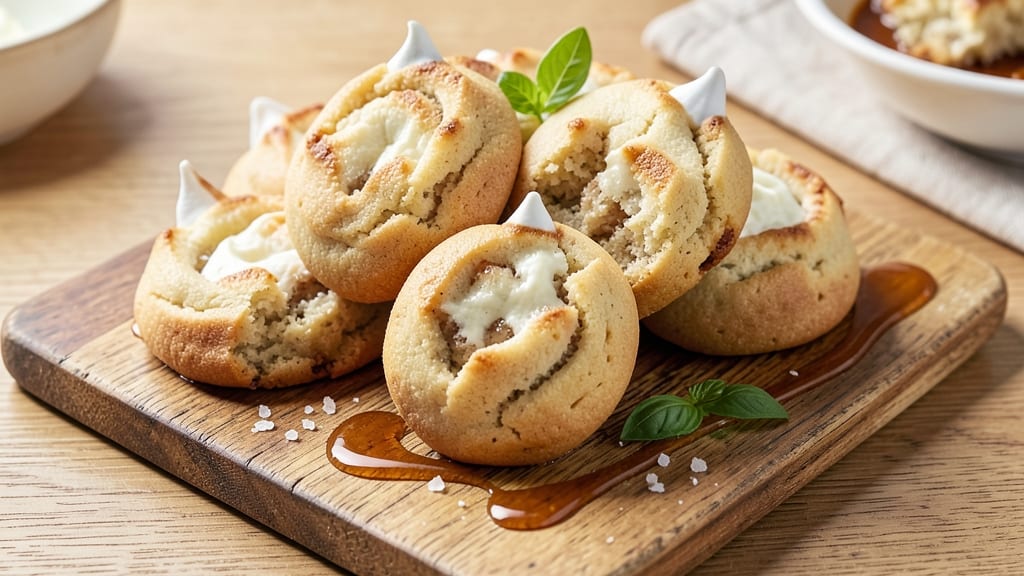
This chewy meringue cookie recipe delivers the perfect balance of crispy edges and ultra-fudgy centers—every bite reveals that signature texture. 🌟 I've perfected this technique over years of baking, ensuring each cookie stays soft and chewy while developing a golden, caramelized crust.
The secret lies in precise egg white whipping and controlled baking, which transforms simple ingredients into cookies that taste like they came from a high-end bakery.
What sets these cookies apart is their tender yet resilient texture—no dry edges or overly crispy centers here. The recipe relies on high-quality ingredients and a few key techniques, like underbaking slightly and letting them cool on the tray.
This ensures they stay chewy long after coming out of the oven, with just enough snap to make them irresistible. The flavor is rich, buttery, and subtly sweet, with a hint of vanilla that ties everything together.
By the time you're done, you'll have a batch of cookies that look like they belong on a dessert tray but are simple enough to make at home.
The edges will be crisp and slightly caramelized, while the centers remain soft and fudgy, with a delicate pull that's impossible to resist. These cookies are perfect for holidays, gifts, or satisfying that afternoon craving—without the guilt.
Once you try this recipe, you'll never go back to store-bought meringue cookies again. The process is straightforward, but the results are anything but ordinary. Let's get started on creating your own batch of these irresistible treats.
Ingredients for chewy meringue cookie
High-quality ingredients transform simple dough into restaurant-worthy meringue cookies with crispy edges and fudgy centers.
| Ingredient | Amount | Notes |
|---|---|---|
| Large Egg Whites 🥚 | 5 whole | Room temperature for best volume |
| Granulated Sugar 🍚 | 1 ½ cups | Superfine preferred for smooth texture |
| Unsalted Butter 🧈 | 1 cup | Cold, cubed for even mixing |
| Pure Vanilla Extract 🍯 | 1 tsp | High-quality for authentic flavor |
| Kosher Salt 🧂 | ½ tsp | Diamond Crystal preferred |
| All-Purpose Flour 🌾 | 3 cups | Sifted for light texture |
| Cream of Tartar 🧂 | ¼ tsp | Stabilizes egg whites |
| Baking Soda 🍞 | ¼ tsp | Ensures proper rise |
| Cornstarch 🌽 | 1 tbsp | For extra chewiness |
| White Corn Syrup 🍯 | 1 tbsp | Adds moisture retention |
| Turbinado Sugar 🍚 | ½ cup | For caramelized edges |
The egg whites are non-negotiable—room temperature makes all the difference. Whole Foods or Trader Joe's carry the largest cartons, which is key since you'll need five. Look for cartons labeled 'large'—they're more stable for whipping. The butter should be cold and cubed when you mix it in; don't let it soften before adding. For the sugar, superfine is ideal, but if you only have regular granulated, pulse it in a food processor for 30 seconds to break up the grains. The corn syrup adds chewiness, but Karo brand is the only one that works reliably here—substitutes like honey won't give the same texture.
No cream of tartar? Lemon juice at the same amount works in a pinch. The cornstarch is crucial for that signature chewy texture—arrowroot powder can substitute, but it alters the mouthfeel slightly. For the vanilla, Nestlé Pure is my go-to, but any high-quality extract will do. The turbinado sugar gives those beautiful caramelized edges, but if you can't find it, raw sugar works almost as well. The baking soda and cream of tartar are a dynamic duo—don't skip either. And if you're using Diamond Crystal salt, remember it's less salty than table salt, so adjust to taste.
Store the dough in an airtight container between uses—it keeps for up to 3 days in the fridge. For longer storage, the baked cookies freeze beautifully for up to 3 months. Let them cool completely before freezing, then layer with parchment between stacks. The meringue stage is delicate—work quickly once the egg whites are whipped, and don't overmix the dough. These cookies reheat surprisingly well; 30 seconds in the microwave restores their chewiness perfectly.
Why You'll Love This Recipe
- No-Fuss Whipping: I swear by my stand mixer here—just egg whites, sugar, and a few minutes of beating until glossy. No sifting, no rolling, no stress. The butter comes in last, and suddenly, you’ve got chewy magic without the fuss.
- Butter-Kissed Magic: That rich, browned butter folded into the meringue? It’s what turns these into ridiculously good cookies. Sweet, salty, and with a vanilla whisper that lingers—like a hug from a bakery but way easier.
- Holiday or Snack: I make these for Christmas cookie platters, but honestly? They’re my go-to for movie nights or when I need something fast. Freeze half the batch, and you’ve got dessert ready for weeks—no last-minute scrambling.
- Pantry Gold: Egg whites, sugar, butter—these are ingredients you already own. No specialty items, no weird substitutions. And because they keep for days (if they last that long), they’re my budget-friendly secret for looking like a baking pro.
Step-by-step instructions for chewy meringue cookies
Master the technique for perfectly crispy edges and ultra-fudgy centers every time.
🍳 Step 1: Whip Egg Whites to Stiff Peaks with Sugar
In a clean, grease-free mixing bowl, beat the 5 whole Large Egg Whites on medium speed until soft peaks form. Gradually add the 1.5 cups Granulated Sugar while continuing to beat on high speed for 8-10 minutes until the meringue is glossy, thick, and holds stiff peaks when the beaters are lifted. You'll know it's ready when the meringue forms a ribbon that holds its shape when the whisk is pulled away.
This step is critical for achieving that signature chewy texture. I like to use a stand mixer for this—it's more consistent than hand-whipping. If you're unsure about the doneness, test it by tilting the bowl slightly; the meringue should hold its shape without sliding. The sugar helps stabilize the egg whites while also contributing to the cookie's moisture and chewiness.
👨🍳 Step 2: Cream Butter and Mix Dry Ingredients
In a separate large bowl, combine the 1 cup Unsalted Butter (cold and cubed), 1 tbsp White Corn Syrup, 1 tsp Pure Vanilla Extract, and 0.5 tsp Kosher Salt. Beat with a mixer on medium speed until smooth and creamy, about 2-3 minutes. In a separate bowl, whisk together the 3 cups All-Purpose Flour, 0.25 tsp Cream of Tartar, 0.25 tsp Baking Soda, and 1 tbsp Cornstarch. Sift the dry ingredients into the butter mixture and mix just until combined—don't overmix.
The cold butter is essential here; it prevents the cookies from spreading too much in the oven. The corn syrup adds moisture retention, while the cream of tartar and baking soda ensure a proper rise. I always sift the flour to avoid lumps, which can lead to uneven texture in the final cookies.
🥘 Step 3: Fold Meringue into Butter Mixture
Gently fold the meringue into the butter mixture using a spatula, being careful not to deflate the egg whites. Start with small spoonfuls and gradually increase the amount until fully combined. The dough should be thick, glossy, and hold its shape when dropped from a spoon. If it's too sticky, chill for 15-20 minutes—this makes it easier to handle and prevents excessive spreading.
This is where the magic happens. The meringue gives the cookies their signature chewy texture and crispy edges, while the butter mixture provides richness. Folding gently ensures you maintain the airiness of the meringue without overworking the dough. If the dough feels too warm, pop it back in the fridge for a few minutes—it should be cool but pliable.
🔥 Step 4: Bake for Crispy Edges and Fudgy Centers
Preheat your oven to 350°F and line two baking sheets with parchment paper. Scoop the dough into 1.5-tablespoon portions (about 1.5 inches in diameter) and place them 3 inches apart on the prepared sheets. Sprinkle each cookie with a pinch of 0.5 cup Turbinado Sugar for caramelized edges. Bake for 12-14 minutes until the edges are deep golden brown but the centers still look slightly underdone.
The turbinado sugar is key here—it caramelizes during baking, creating those beautiful crispy edges while keeping the centers ultra-fudgy. Don't overbake; the cookies will continue cooking slightly as they cool on the baking sheet. They should pull away from the edges of the parchment paper but still feel soft in the center when you press gently. Let them cool on the baking sheet for 5 minutes before transferring to a wire rack.
Pro Tips For Making Chewy Meringue Cookie
- Whip Egg Whites Cold: Pop your egg whites straight from the fridge—room temp makes them clingy and stubborn. I used to skip this, and my meringues would never hold their shape properly. Cold whites whip faster and firmer, so save yourself the frustration and let them chill for 10 minutes.
- Salt the Sugar: Sprinkle that kosher salt into the sugar before folding it in—it dissolves evenly and seasons every bite. I learned this the hard way after biting into a cookie with all the salt clustered in one spot. (Yes, it’s weird to taste salt in the middle of whipping, but trust me.)
- Underbake for Chew: Pull cookies out when edges are just set but centers still look soft—about 3-4 minutes under the suggested time. They’ll firm up as they cool, but if you wait for golden edges, you’ll end up with dry, crispy cookies instead of the chewy texture you want.
- Chill the Dough: Let the meringue sit in the fridge for 15 minutes before scooping—it tightens the structure and prevents spreading. I was skeptical until I tried it; now I never skip this step, especially in humid weather. (Your future self will thank you.)
Troubleshooting this recipe
Meringue Too Soft
If your meringue isn’t holding stiff peaks after 10 minutes of whipping, your egg whites might be too warm or your bowl isn’t clean. First, ensure your bowl is completely grease-free—even a trace of fat prevents proper volume.
Use room-temperature egg whites (not cold), and add the sugar gradually while whipping. If humidity is high, add ¼ tsp cream of tartar to stabilize the whites. 🌡️
Cookies Spread Too Much
Overworked dough or warm butter causes excessive spreading. Chill the dough for 30 minutes before scooping to firm it up. Use cold, cubed butter (not softened) and avoid overmixing when combining wet and dry ingredients.
Scoop dough balls with a cookie scoop for even size, and place them 3 inches apart on the baking sheet. 🧊
Edges Not Crispy Enough
For golden, caramelized edges, ensure your oven is fully preheated to 350°F and use turbinado sugar (not granulated) on top of each cookie. Bake for 12-14 minutes until edges are deep brown but centers are still soft.
If your oven runs hot, reduce temperature to 325°F and bake for 16-18 minutes. Avoid opening the oven door mid-bake—heat loss slows caramelization. 🔥
Dough Too Sticky
Sticky dough usually means the meringue wasn’t folded in gently enough or the butter was too soft. Fold the meringue slowly with a spatula, using a "J" motion to preserve airiness. If the dough is still too warm, refrigerate it for 20-30 minutes to firm up.
Dust your work surface with 1 tsp powdered sugar (not flour) to prevent sticking while shaping. 🍯
Cookies Dry Out Quickly
Dry cookies often result from overbaking or insufficient moisture. Bake for 12-14 minutes max—centers should look slightly underdone. Add 1 tbsp corn syrup to the dough for extra chewiness, and store cookies in an airtight container with a slice of bread to retain moisture.
For reheating, microwave for 10-15 seconds to restore softness. ❄️
Uneven Texture
Lumpy dough or inconsistent baking leads to uneven texture. Sift all dry ingredients before mixing, and use a stand mixer (not hand-whisking) for the meringue to ensure even incorporation.
Rotate baking sheets halfway through baking for even heat distribution. If cookies bake unevenly, your oven has hot spots—use an oven thermometer to verify temperature accuracy. 🔄
Nutrition facts
Frequently asked questions
Why do these cookies need to rest before baking?
Resting the dough for 15-20 minutes in the fridge prevents excessive spreading and helps the meringue set properly. This ensures your cookies hold their shape while developing that perfect crispy edge. The cold also firms up the butter, which prevents the cookies from flattening too much in the oven.
Can I make these cookies without a stand mixer?
Yes, but you'll need to whip the egg whites by hand for 12-15 minutes to achieve stiff peaks. Use a clean, grease-free bowl and whisk vigorously—this is where most home bakers struggle. For best results, work in a cool kitchen to help stabilize the meringue. The butter mixture can be creamed by hand with a wooden spoon, though it'll take more elbow grease.
How do I store these chewy cookies to keep them soft?
Store cookies in an airtight container with a slice of bread or a damp paper towel to retain moisture. They'll stay fresh for 5-7 days at room temperature. For longer storage, freeze them for up to 3 months—thaw at room temperature or reheat for 10-15 seconds in the microwave to restore chewiness.
What's the secret to getting crispy edges without burning?
The turbinado sugar sprinkled on top is key—it caramelizes beautifully while keeping centers soft. Bake at 350°F for 12-14 minutes until edges are golden brown but centers still look slightly underdone. Avoid opening the oven door mid-bake, as heat loss can prevent proper caramelization. If your oven runs hot, reduce temperature to 325°F and bake for 16-18 minutes.
Can I add mix-ins like chocolate chips?
While possible, mix-ins can disrupt the delicate texture. If you must add them, use dark chocolate chunks (not chips) and fold them in gently at the very end. Start with ¼ cup max—too many will make the cookies dense. For best results, stick to the classic recipe to preserve that signature chewy, crispy balance.