
Desserts
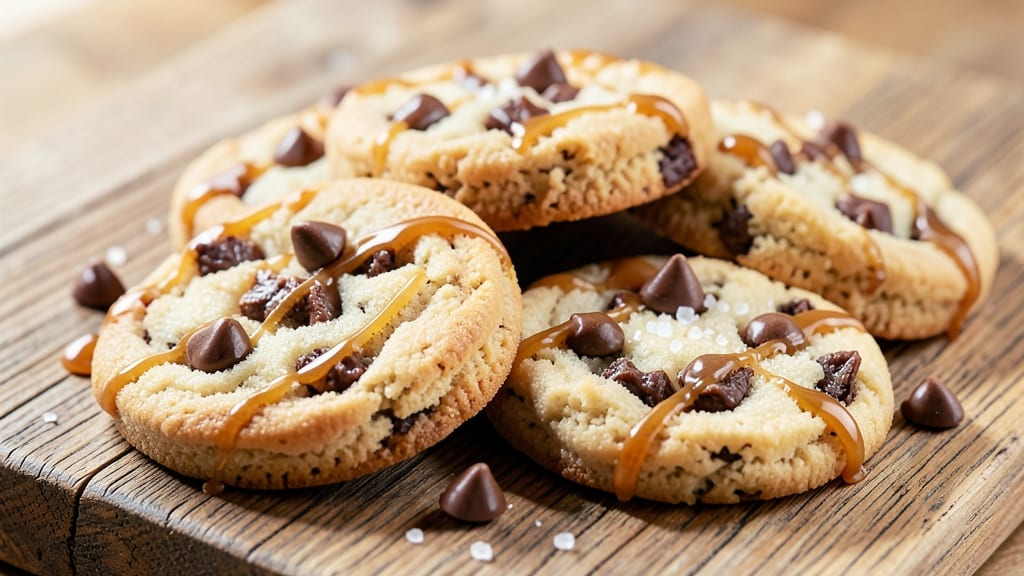
This butterscotch shortbread cookie recipe delivers the perfect balance of buttery richness and nutty caramel swirls in every bite—no one will guess it's easier than it looks. The secret lies in cold butter and precise technique, creating those signature tender crumbs with a melt-in-your-mouth texture that's impossible to resist.
I've perfected this version over years of baking, ensuring each cookie maintains its iconic shortbread structure while bursting with butterscotch flavor.
The recipe begins with a simple dough made from just five ingredients: butter, sugar, flour, butterscotch chips, and a touch of vanilla. What sets these apart is the swirled butterscotch caramel that transforms ordinary shortbread into something extraordinary.
The cold butter method guarantees that signature shortbread texture—crisp edges and tender centers—while the melted butterscotch chips create pockets of gooey sweetness throughout.
By the time these cookies emerge from the oven, they'll be golden-edged with a delicate crumb that practically dissolves on your tongue. The butterscotch flavor shines through without overpowering the buttery base, creating a harmonious blend that's both nostalgic and sophisticated.
These are the kind of cookies that disappear within minutes of coming out of the oven.
Perfect for holiday gatherings, gift-giving, or satisfying a sweet tooth, these butterscotch shortbread cookies are simple enough for beginners but impressive enough for any occasion. Let's get baking—your kitchen will smell like caramel heaven in no time.
Ingredients for butterscotch shortbread cookie
Five core ingredients transform into buttery shortbread with nutty caramel swirls—precision matters at every step.
| Ingredient | Amount | Notes |
|---|---|---|
| Unsalted Butter 🧈 | 1 cup | Cold, cubed for texture |
| Granulated Sugar 🍚 | ½ cup | Superfine preferred for smoothness |
| All-Purpose Flour 🌾 | 2 cups | Sifted for light texture |
| Butterscotch Chips 🍬 | 1 cup | High-quality, melted for swirl |
| Pure Vanilla Extract 🌿 | 1 tsp | Bottled, not imitation |
| Diamond Crystal Kosher Salt 🧂 | ¼ tsp | Fine grain for delicate flavor |
| Granulated Sugar (for coating) 🍚 | ¼ cup | Extra-fine for even coverage |
| Heavy Cream 🥛 | ¼ cup | For butterscotch caramel |
| Brown Sugar 🍚 | ¼ cup | Packed for caramel depth |
| Cornstarch 🌾 | 1 tbsp | For caramel smoothness |
The butter is non-negotiable—European-style unsalted with high fat content creates that signature shortbread crumb. Plugrá or Land O’Lakes Cultured are my go-tos, but any brand with at least 80% fat works. Keep it cold until the last moment; room-temperature butter means dense cookies. For the butterscotch chips, Guittard or Ghirardelli deliver the richest flavor, but store-brand chips in a pinch won’t ruin the recipe. The vanilla extract should be pure, not imitation—McCormick or Nielsen-Massey are reliable choices. Diamond Crystal kosher salt is preferred over table salt for its fine grain, which dissolves evenly without altering texture.
No butterscotch chips? Substitute caramel candies like Skor or homemade caramel—melt them into the dough for the same effect. Running short on vanilla? Vanilla bean paste works at half the amount, though it’ll leave little specks of flavor. The caramel mixture requires heavy cream and brown sugar for depth; substitute evaporated milk for cream if needed, though texture may slightly suffer. For the flour, King Arthur or Gold Medal brands yield the best results due to their protein balance. If you’re gluten-sensitive, swap for a 1:1 gluten-free flour blend—but expect slightly denser cookies. The cornstarch in the caramel prevents graininess; arrowroot powder works identically.
Store cold butter cubes in an airtight container in the freezer for up to 3 months to maintain firmness. Butterscotch chips keep for 6-12 months in a cool pantry, while flour should be refrigerated after opening to prevent weevils. The caramel mixture can be prepped 1 day ahead and stored in the fridge, though texture may slightly alter. For best results, bake cookies immediately after shaping—they firm up quickly. Leftovers keep in an airtight tin for 5 days at room temperature, though they’re best enjoyed fresh.
Why You'll Love This Recipe
- No-Fuss Mixing: I swear by this recipe because it’s literally three ingredients mixed with a fork—no food processor, no chilling dough for hours, just cold butter, sugar, and flour rubbed together. The butterscotch chips melt into little pockets of caramelized goodness when they bake, and honestly? That’s the magic.
- Butterscotch Bliss: That rich, toasty butterscotch flavor? It’s like a warm hug in cookie form. The vanilla extract deepens it just enough to make these taste like a bakery’s secret, not a quick weeknight treat. (Yes, even on a Tuesday night.)
- Party-Proof Staple: These disappear at gatherings—holiday cookie platters, potlucks, or just because. They’re sturdy enough to pack in a tin for gifts (no crumbs, no fuss) and still taste fresh days later. My mom’s friends always ask for the recipe, which means it’s officially approved.
- Budget Magic: Cold butter and sugar are pantry basics, and butterscotch chips stretch further than you’d think. I make a double batch, freeze half, and pull them out whenever I need a treat without blowing my grocery budget. Plus, they’re the kind of cookie that makes you feel fancy for pennies.
Step-by-step instructions for butterscotch shortbread cookies
Master the art of shortbread with this precise method for rich butterscotch swirls and crisp edges.
Prepare the Butterscotch Caramel Filling
In a small saucepan, combine the 0.25 cup heavy cream, 0.25 cup brown sugar, and 1 cup butterscotch chips. Cook over medium-low heat, stirring constantly, until the butterscotch chips melt completely and the mixture reaches a gentle simmer. This should take about 5-7 minutes. The caramel should thicken slightly but remain pourable.
Remove from heat and stir in the 1 tablespoon cornstarch until fully dissolved. Return to low heat for 1 minute to thicken further, then transfer to a small bowl and let cool completely. This filling needs to be cool enough to handle when you incorporate it into the dough. If it sets too quickly, microwave it in 10-second bursts to soften just before using.
Cream Butter and Sugars for Light Texture
In a stand mixer fitted with the paddle attachment, beat the 1 cup unsalted butter (cold, cubed) and 0.5 cup granulated sugar on medium speed for 3-4 minutes. The mixture should become pale and fluffy, nearly doubling in volume. This step is crucial for creating the signature tender crumb of shortbread.
Add the 1 teaspoon pure vanilla extract and 0.25 teaspoon diamond crystal kosher salt, mixing just until combined. The butter should be completely creamed with no visible lumps. If it appears too soft, chill the mixture in the refrigerator for 10 minutes to firm up before proceeding.
Incorporate Dry Ingredients and Fold in Filling
In a separate bowl, whisk together the 2 cups all-purpose flour until smooth. Gradually add the flour to the butter mixture, mixing on low speed until just combined. Avoid overmixing—stop as soon as the dough comes together. The dough should be slightly crumbly but hold when pressed.
Remove the bowl from the mixer and gently fold in the cooled butterscotch caramel using a silicone spatula. Reserve 0.25 cup granulated sugar (for coating) in a small bowl. Divide the dough into 4 equal portions (about 6 ounces each) and flatten each into a 4-inch round disc. Wrap each disc tightly in plastic wrap and refrigerate for at least 1 hour or up to 24 hours.
Chill and Roll for Perfect Shape
Preheat your oven to 325°F. Line two baking sheets with parchment paper. Remove one disc of dough from the refrigerator and place it between two sheets of parchment paper. Using a rolling pin, roll the dough to a ¼-inch thickness, keeping the edges slightly thicker for a classic shortbread shape.
Carefully transfer the rolled dough to a prepared baking sheet. Sprinkle evenly with 0.25 cup granulated sugar (for coating), pressing gently to adhere. Repeat with the remaining dough discs, spacing them 2 inches apart on the baking sheets. Chill the prepared dough for 15 minutes in the refrigerator to maintain shape during baking.
Bake to Golden Perfection
Bake the shortbread cookies in the preheated oven for 20-25 minutes, rotating the pans halfway through, until the edges are golden brown and the centers look slightly underbaked. The cookies should be firm to the touch but still tender. Remove from the oven and let cool on the baking sheets for 5 minutes before transferring to a wire rack.
Allow the cookies to cool completely before serving. The butterscotch filling will soften slightly as they cool, creating those signature nutty caramel swirls in every bite. Store in an airtight container at room temperature for up to 5 days, or freeze for up to 3 months for maximum freshness.
Pro Tips For Making Butterscotch Shortbread Cookie
- Use Cold Butter: I learned this the hard way—soft butter makes shortbread dough sticky and hard to shape. Take the butter straight from the fridge (yes, even if it’s stubborn) and cut it into small cubes before mixing. The dough should hold together like damp sand, not a gloppy mess.
- Toast the Butterscotch Chips: Skip the chips straight from the bag—they’ll melt unevenly and leave clumps. Spread them on a baking sheet and warm for 2-3 minutes at 300°F (150°C) until fragrant. This deepens their caramel flavor and prevents them from turning into a gooey blob mid-bake.
- Press Dough Evenly: Uneven pressure = lumpy cookies. Use the bottom of a glass (not your fingers) to press the dough into the pan, rotating the glass as you go. Aim for a smooth, even layer—about ¼-inch thick—so every bite has that signature crumbly texture.
- Bake Low and Slow: Shortbread needs patience—300°F (150°C) for 20-25 minutes, not the 350°F (175°C) you might grab first. The edges will look pale, but the center stays tender. If you’re skeptical, slide a toothpick in—it should come out clean, not crumbly.
Regional styles of this butterscotch shortbread cookie
Scottish Shortbread
The original inspiration for these cookies comes from classic Scottish shortbread, where butterscotch wasn't traditionally used. For an authentic twist, replace the butterscotch chips with ½ cup melted white chocolate and 1 tbsp espresso powder for depth.
Roll the dough into classic petticoat tails or finger shapes before baking at 300°F for 12-15 minutes until pale golden. The texture remains signature shortbread but with a chocolatey richness instead of caramel. 🏴
Southern Butterscotch Twist
In the American South, butterscotch takes center stage. For a regional variation, add ½ cup chopped pecans to the dough before rolling. After baking, drizzle with a simple glaze made from ½ cup powdered sugar and 2 tbsp heavy cream.
This creates a Southern-style butterscotch shortbread with a satisfying crunch. The pecans complement the butterscotch perfectly, making these cookies a crowd-pleaser at Southern gatherings. 🌶️
French Macaron-Inspired
For a French-inspired take, transform these cookies into delicate macaron-like shells. After rolling the dough, use a 2-inch round cutter to shape them, then bake at 325°F for 18-20 minutes until just set.
Once cooled, pipe a light butterscotch ganache (made with ½ cup melted butterscotch chips and ¼ cup heavy cream) between two cookies to create a sandwich. This version keeps the shortbread texture but adds a sophisticated French touch. 🥖
Canadian Maple-Butterscotch Fusion
Canada's love for maple syrup makes this a perfect regional adaptation. Replace half the granulated sugar with ½ cup pure maple syrup in the dough, and add 1 tsp maple extract to the caramel filling.
The maple enhances the butterscotch flavor while keeping the cookie's signature texture. This fusion is especially popular during Canadian holidays like Thanksgiving, where maple and butterscotch pair beautifully. 🍁
Modern Gluten-Free Adaptation
For a modern twist, create a gluten-free version using a 1:1 gluten-free flour blend like Bob's Red Mill. Replace the all-purpose flour with 2 cups gluten-free flour and add ¼ cup xanthan gum to mimic the structure.
The butterscotch caramel remains the same, ensuring the same rich flavor. These cookies will be slightly denser but still deliver that buttery, caramel-filled delight. Perfect for gluten-sensitive guests! 🌱
Nutrition facts
Frequently asked questions
Why do these cookies need to chill before baking?
The 1-hour chill is crucial for two reasons: it firms up the butter so the cookies hold their shape during baking, and it prevents the butterscotch caramel from melting too quickly. Cold dough also results in those signature crisp edges and tender centers. Skipping this step often leads to cookies that spread too much or lose their signature texture.
Can I make these cookies without butterscotch chips?
Yes! For a similar flavor, melt 1 cup caramel candies (like Skor) or make a simple caramel by simmering ½ cup brown sugar with ¼ cup heavy cream until thickened. The texture will be slightly different but still delicious. For a deeper butterscotch taste, add ½ teaspoon butterscotch extract to the dough.
How do I know when the cookies are fully baked?
Look for golden-brown edges and a slightly underbaked center—they should feel firm to the touch but still tender. The cookies will continue baking slightly as they cool. Overbaking makes them dry, while underbaking leaves them too soft. A toothpick inserted should come out with a few moist crumbs, not wet batter.
Can I store these cookies with the butterscotch filling?
Yes, but store them in an airtight container at room temperature for up to 5 days. The filling may soften slightly, but the cookies will still taste amazing. For longer storage, freeze them for up to 3 months. Thaw at room temperature before serving—the filling will soften naturally as they warm.
Why did my cookies turn out dense instead of crumbly?
Dense cookies usually happen when the butter melts too early (from warm dough or oven) or if overmixed. Ensure your butter stays cold until the last moment, and mix just until combined. Also, check your flour—too much can make cookies tough. For extra insurance, chill the dough 2 hours instead of 1.