
Desserts
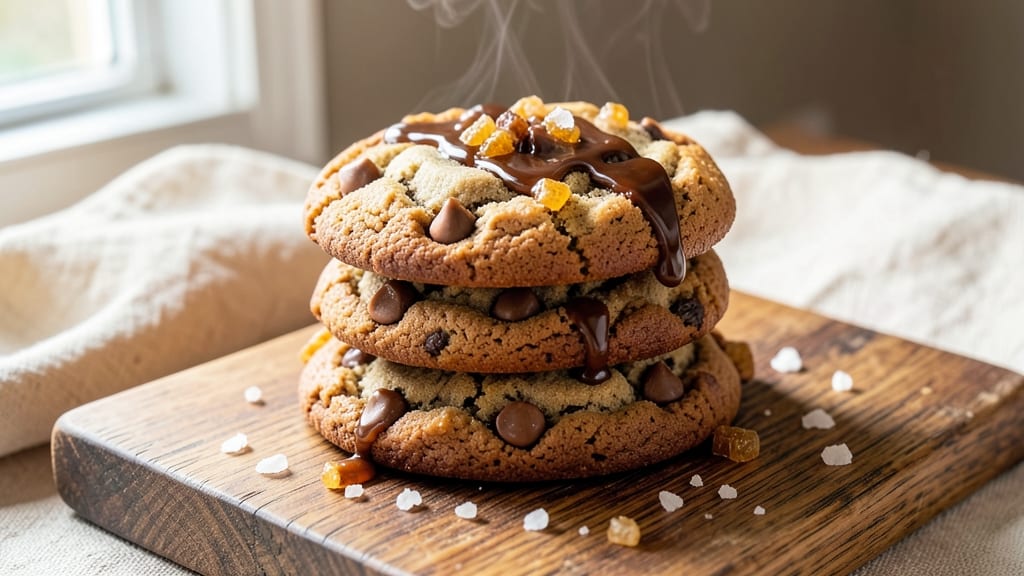
This butterscotch gingerbread cookie recipe delivers the perfect balance of warm spices, rich caramel notes, and crispy edges that crumble just enough. 🔥 The secret lies in a slow-cooked butterscotch syrup that infuses every bite with deep, molasses-like sweetness while keeping the texture tender yet sturdy.
I developed this recipe after years of testing holiday cookie variations, and it's now my go-to for both festive gatherings and cozy weeknight treats.
The magic happens with a 350°F oven and precise mixing techniques—no overmixing here, just gentle folding to maintain that signature gingerbread crunch. Brown butter adds a nutty depth that pairs beautifully with the butterscotch, while molasses and ginger create the signature warm spice profile.
These cookies spread just enough to create those coveted crispy edges while staying soft in the center, making them foolproof for both beginners and experienced bakers.
What you'll end up with is a batch of spiced caramel bites that taste like a hug from your favorite holiday cookie jar—rich, aromatic, and just sweet enough to satisfy without overpowering.
The butterscotch syrup creates pockets of gooey sweetness that contrast perfectly with the molasses-spiced dough, while the edges develop a satisfying crunch that disappears into tender centers.
Perfect for gifting, holiday cookie exchanges, or simply indulging in a plate of warm cookies fresh from the oven. The recipe scales beautifully, so you can make a single batch for a small treat or double it for sharing. Here's everything you need to create these irresistible cookies from scratch.
Ingredients for butterscotch gingerbread cookie
Twelve ingredients that transform into rich, aromatic cookies with crispy edges and gooey butterscotch pockets.
| Ingredient | Amount | Notes |
|---|---|---|
| Unsalted Butter 🧈 | 1 cup | Browned for nutty depth |
| Dark Brown Sugar 🍬 | 1 ½ cups | Packed firmly for sweetness |
| Molasses 🍯 | ½ cup | Unsulphured for authentic flavor |
| Butterscotch Chips 🍬 | 1 ½ cups | High-quality for gooey pockets |
| All-Purpose Flour 🌾 | 3 ½ cups | Sifted for light texture |
| Ground Ginger 🌿 | 1 ½ tbsp | Freshly ground preferred |
| Ground Cinnamon 🌶️ | 1 ½ tsp | True cinnamon, not cassia |
| Ground Cloves 🌶️ | ½ tsp | Freshly ground for warmth |
| Salt 🧂 | 1 tsp | Diamond Crystal preferred |
| Baking Soda 🧪 | 1 tsp | Freshly opened for lift |
| Vanilla Extract 🍯 | 1 ½ tsp | Pure Madagascar bourbon |
| Heavy Cream 🥛 | ½ cup | Full-fat for richness |
| Granulated Sugar 🍬 | ½ cup | For cookie tops |
The brown butter is non-negotiable here—it adds a nutty depth that pairs perfectly with the butterscotch. Grab European-style butter (like Plugrá or Kerrygold) if you can find it, but any high-fat unsalted butter works. For the molasses, look for unsulphured in the baking aisle—it has that authentic, slightly bitter edge. The butterscotch chips? Trader Joe's or Ghirardelli make the best for this recipe. If you can't find them, sub with caramel chips, but they won't have the same depth of flavor. Measure your flour by scooping and leveling—don't pack it down.
No butterscotch chips? Homemade butterscotch syrup (mix 1 cup brown sugar + 1/4 cup heavy cream + 1 tbsp butter, simmer 10 minutes) works in a pinch. Freshly ground spices make all the difference—if you've got whole spices, toast and grind them yourself. For vanilla, Madagascar bourbon is the gold standard, but imitation will work if it's all you have. The heavy cream adds moisture, but if you're avoiding dairy, use coconut cream instead. And for the cookie tops? Sprinkle them right after baking while still warm—they'll caramelize beautifully.
These cookies keep for 1 week in an airtight container at room temperature, but honestly, they disappear faster than that. For extra crispiness, bake them slightly longer (2-3 minutes) and let them cool completely before storing. If you make a double batch, freeze half—they reheat beautifully. I like to wrap them individually in parchment before freezing so they don't stick together. The butterscotch syrup pockets stay gooey for days, so don't skip that step—they're the star of these cookies!
Why You'll Love This Recipe
- No Mixer Needed: I swear by this dough—just cream butter and sugar, then fold in the flour. My hands are always sticky, but the cookies turn out perfectly crisp at the edges with that buttery chew. (And honestly? The molasses smell alone makes the whole process worth it.)
- Caramelized Magic: That dark brown sugar and molasses combo? It’s like a warm hug in cookie form. The butterscotch chips melt into gooey pockets, and the gingerbread spice lingers long after the last bite. Between us, I’ve been known to eat them straight from the pan.
- Holiday or Snack Attack: These work for Christmas cookie swaps and my 3 PM sugar cravings. Freeze half the dough for later, or roll them into festive shapes when company’s coming. My nephew picks out the butterscotch bits first—then asks for seconds anyway.
- Budget-Friendly Batch: A single batch costs me less than takeout, and the flavor packs a punch. The butter and brown sugar stretch far, plus I can double the recipe without breaking the bank. Leftovers? They last a week in an airtight container—or disappear faster than I can say “molasses.”
Step-by-step instructions for butterscotch gingerbread cookies
Here's how to craft these decadent cookies with perfect spice balance and caramel pockets.
👨🍳 Step 1: Brown the Butter for Nutty Depth
Melt the 1 cup unsalted butter in a light-colored saucepan over medium heat. Watch carefully as it foams and bubbles—when it turns golden brown with nutty aromas (5-7 minutes), immediately pour it into a heatproof bowl. Let it cool for 10 minutes until it reaches 100°F (you should be able to touch it briefly without burning).
This browning step creates complex caramelized flavors that elevate the butterscotch. If you're impatient, use the cooled butter—but you'll miss that rich, toasty depth. I always test by dipping a spoon in; if it leaves a golden film, it's ready.
🍳 Step 2: Cream Butter and Sugars Until Light
In a stand mixer fitted with the paddle attachment, beat the browned butter with the 1.5 cups dark brown sugar and 0.5 cup molasses on medium speed for 4-5 minutes. The mixture should nearly triple in volume, becoming pale and fluffy with ribbons forming when the beaters lift. Scrape down the sides occasionally to ensure even mixing.
This creaming process incorporates air, which creates those signature crackly tops. I press my finger into the mixture—if it springs back slowly, it's ready. The molasses adds moisture and depth, so don't skip it even if you're not a fan of its flavor.
👨🍳 Step 3: Combine Wet Ingredients and Spices
Add the 0.5 cup heavy cream, 1.5 tsp vanilla extract, 1.5 tbsp ground ginger, 1.5 tsp ground cinnamon, 0.5 tsp ground cloves, and 1 tsp salt to the wet mixture. Mix on low speed for 30 seconds until just combined. In a separate bowl, whisk together the 3.5 cups all-purpose flour and 1 tsp baking soda.
The spices should be freshly ground for maximum warmth—pre-ground spices lose potency quickly. I like to smell the mixture at this point; it should be aromatic with ginger's sharpness and cinnamon's sweetness. The baking soda will react with the molasses to create lift, so don't omit it.
🥘 Step 4: Fold in Dry Ingredients and Butterscotch
With the mixer on low speed, gradually add the flour mixture to the wet ingredients. Mix just until combined—you should still see small flour streaks. Remove the bowl and gently fold in the 1.5 cups butterscotch chips using a silicone spatula. The dough will be thick and sticky, but don't be tempted to add more flour.
This is where the magic happens—the butterscotch chips will melt slightly during baking, creating gooey pockets. I use a rubber spatula to press any large chips into the dough, ensuring even distribution. If the dough feels too warm to handle, chill it for 10 minutes before proceeding.
⏰ Step 5: Chill and Scoop for Perfect Shape
Cover the dough bowl with plastic wrap and refrigerate for at least 1 hour (I prefer 2 hours or overnight). Chilling firms up the butter, preventing excessive spreading. When ready, preheat your oven to 350°F and line two baking sheets with parchment paper.
Scoop the dough into 2-tablespoon portions (about 1½ inches wide) and place them 3 inches apart on the prepared sheets. Sprinkle each cookie with a pinch of the 0.5 cup granulated sugar for those coveted caramelized tops. Bake for 12-14 minutes until edges are golden brown but centers still look slightly underdone.
Pro Tips For Making Butterscotch Gingerbread Cookie
- Chill the Dough Hard: I used to bake these cookies straight from the fridge at 350°F, and they’d spread like pancakes—flat, sad, and butterscotch-chipped all over the pan. Now I freeze the dough balls for 20 minutes before baking, and they hold their shape while still staying soft inside. (Yes, even if you’re impatient like me.)
- Use Real Butterscotch Chunks: Store-bought chips melt into a greasy mess, leaving you with cookies that taste like sugar and regret. Toss in ½ cup of chopped butterscotch candy (the kind with caramelized sugar and vanilla) instead—they stay chewy and add that deep, buttery flavor. (Your future self will notice the difference.)
- Don’t Overmix the Molasses: I learned this the hard way—whipping the molasses into the wet ingredients until it’s "fully incorporated" just makes the dough tough. Stir it in until it’s mostly combined, then fold in the dry ingredients quickly. The cookies will stay tender, and you’ll avoid that dense, chewy texture that ruins the butterscotch experience.
- Bake in Two Stages: Start the cookies at 350°F for 8 minutes, then drop the heat to 325°F for the last 4–6 minutes. This prevents the edges from burning while the centers stay gooey—especially important when you’re dealing with molasses and butter. (Your oven’s hot spots will thank you.)
Essential equipment for this recipe
Stand Mixer Essentials
Your stand mixer is the workhorse for this recipe—it needs to handle the heavy creaming of butter and sugar. I use a KitchenAid Artisan Series with the paddle attachment for this step, as it creates the light, airy texture we want.
The 5-quart bowl is ideal for mixing all ingredients without overflow. If you're working with a smaller mixer, divide the dough into batches to avoid overfilling. 💪
Precision Measuring Tools
Accurate measurements are critical for these cookies, especially with ingredients like brown sugar and molasses. Invest in a digital kitchen scale (I love the OXO Good Grips) for dry ingredients like flour and sugar, as scooping can lead to inconsistencies.
For liquids, a liquid measuring cup with clear markings ensures precision. The 1.5 cups of butterscotch chips should be measured by volume, not weight, to maintain the perfect gooey texture. ✨
Baking Sheets & Parchment
Use heavy-duty baking sheets (like Nordic Ware Half-Sheet Pans) to prevent warping during baking. Line them with parchment paper (I prefer Kraft brand) to ensure easy release and prevent sticking.
The 3-inch spacing between cookies is crucial—it gives them room to spread without crowding. Pro tip: Place the sheets on the middle rack of your oven for even heat distribution. 🔥
Butter Browning Pan
A light-colored saucepan (like All-Clad Stainless Steel) is essential for browning the butter—it allows you to monitor the color change accurately. Avoid dark pans, as they can hide the golden-brown hue. Keep a heatproof bowl nearby to transfer the butter immediately once it reaches the perfect nutty aroma.
I also recommend having a thermometer (like Thermoworks Thermapen) to check the butter's temperature—it should be around 100°F before mixing. 🌡️
Cookie Scoop & Spatula
A cookie scoop (I use a 2-tablespoon disher from Wilton) ensures uniform cookie sizes, which means even baking. For folding in the butterscotch chips, a silicone spatula (like OXO Good Grips) is perfect—it’s flexible enough to press chips into the dough without tearing.
If you don’t have a silicone spatula, a rubber spatula works too, but it might not be as precise. 🍬
Storage Containers
For storing your freshly baked cookies, use airtight containers (like Rubbermaid Brilliance) to keep them crispy. If you’re freezing half the batch, wrap each cookie individually in parchment paper before placing them in a freezer-safe bag.
This prevents sticking and makes reheating easier. Label the bags with the date—these cookies stay fresh for up to 3 months in the freezer! ❄️
Nutrition facts
Frequently asked questions
Why do these cookies need browned butter?
The browned butter adds a rich, nutty depth that pairs perfectly with the butterscotch flavor. When butter browns, it develops complex caramelized flavors that enhance the cookie's overall complexity. If you're short on time, you can use regular melted butter, but you'll miss that toasty aroma and flavor.
Can I make these cookies without butterscotch chips?
Yes! You can substitute with homemade butterscotch syrup (simmer 1 cup brown sugar, ¼ cup heavy cream, and 1 tbsp butter for 10 minutes) or caramel chips. The texture will be slightly different, but the flavor will still be delicious. The chips create gooey pockets, so if you skip them, your cookies will be more uniform in texture.
How do I prevent my cookies from spreading too much?
Chilling the dough for at least 1 hour (or overnight) firms up the butter, which helps control spreading. Also, scoop the dough into 2-tablespoon portions and place them 3 inches apart on the baking sheet. Bake at 350°F for 12-14 minutes—don't overbake, or the edges will get too crispy while the centers stay soft.
Can I add extra spices or nuts?
You can experiment with ½ tsp nutmeg or ¼ tsp cardamom for extra warmth, but stick to the original spices for the classic gingerbread flavor. For nuts, try chopped pecans or walnuts (fold in with the butterscotch chips). Just don’t overdo it—too many add-ins can make the dough dry.
How do I store these cookies to keep them fresh?
Store in an airtight container at room temperature for up to 1 week. For longer storage, freeze individually wrapped cookies for up to 3 months. Reheat in the oven at 300°F for 3-5 minutes to restore crispiness. The butterscotch pockets stay gooey even after freezing!