
Desserts
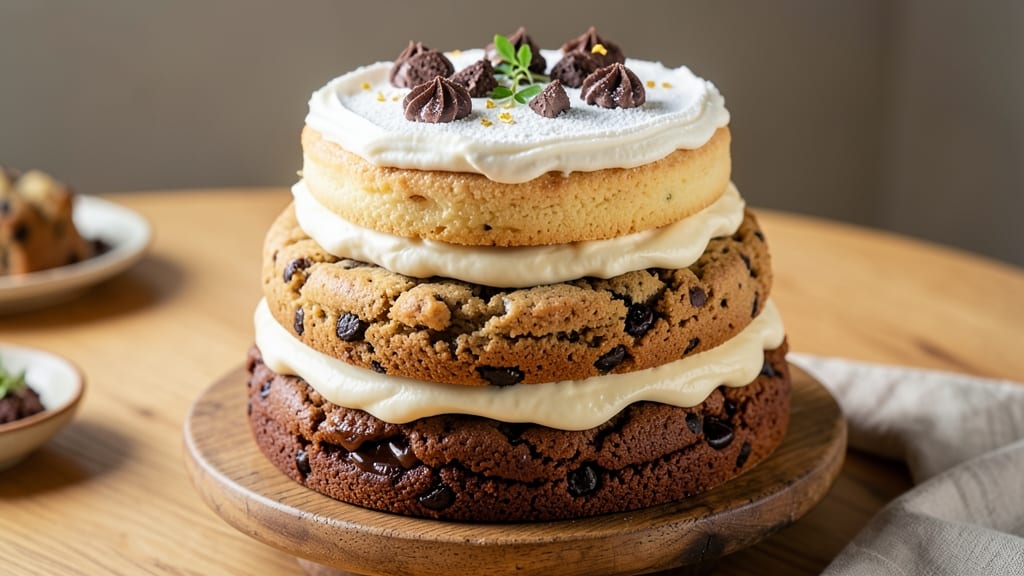
This buttercream frosting recipe for cookie cake delivers ultra-smooth swirls without the dreaded curdling—no buttercream disaster here. The secret lies in precise technique and ingredient ratios that create a silky, pipeable frosting every time. I’ve perfected this version for cookie cakes, where stability and flavor matter most.
What sets this recipe apart is the foolproof method using room-temperature ingredients and a slow whipping process. No stand mixer? No problem—this works with hand mixers too.
The frosting stays smooth for hours, making it ideal for decorating layers or creating elegant swirls. Perfect for weddings, birthdays, or whenever you need a showstopping dessert.
You’ll end up with a rich, creamy frosting that’s neither too sweet nor too heavy—just the right balance for cookie cake perfection. The recipe includes variations for Swiss buttercream (for a lighter texture) and American buttercream (for maximum richness), so you can choose based on your needs.
Store it for up to 3 days in the fridge or freeze for longer use.
Pair this frosting with your favorite cookie cake layers—chocolate, vanilla, or even gluten-free—for a dessert that looks as impressive as it tastes. Ready to elevate your baking game? Let’s get started.
Ingredients for buttercream frosting recipe for cookie cake
Eight ingredients, one flawless frosting—this is your cookie cake game-changer.
| Ingredient | Amount | Notes |
|---|---|---|
| Unsalted Butter 🧈 | 1 lb | Room temperature, European-style preferred |
| Granulated Sugar 🍚 | 3 cups | Superfine for ultra-smooth texture |
| Heavy Whipping Cream 🥛 | 1 cup | Cold, full-fat for stability |
| Vanilla Extract 🌿 | 2 tsp | Pure Madagascar bourbon preferred |
| Milk 🥛 | 2 tbsp | Whole milk for richness |
| Salt 🧂 | ¼ tsp | Fine sea salt for balance |
| Corn Syrup 🍯 | 2 tbsp | Light corn syrup for stability |
| Lemon Juice 🍋 | 1 tsp | Freshly squeezed for brightness |
The butter is non-negotiable here. European-style (like Plugrá or Kerrygold) has higher fat content, which translates to smoother frosting. Grab it from Whole Foods or specialty stores—they keep it at perfect room temperature. If you're using regular butter, let it sit out for 2 hours before whipping. The sugar? Superfine is worth the splurge—it dissolves completely, avoiding grainy texture. I always buy the Domino brand for my baking, but any high-quality granulated works if you pulse it in a food processor first.
No heavy cream? Whipped coconut cream works in a pinch, but it'll be slightly lighter. Skip the vanilla extract? Vanilla bean paste adds flecks of flavor magic, but pure extract is fine. The corn syrup might seem odd, but it's the secret to that professional stability—no curdling, no weeping. For a lighter version, swap half the butter for powdered sugar mixed with milk**> (Swiss method). Want more flavor? Add 1 tsp almond extract or 1 tbsp cocoa powder for chocolate variations. The lemon juice is optional but adds that bright, bakery-style finish that makes it taste homemade.
This frosting keeps for 3 days in the fridge, covered tightly. For longer storage, freeze in 1-cup portions—thaw at room temp before using. To prevent drying, always press plastic wrap directly onto the surface. Pro tip: Whip it 10 minutes early—it actually tastes better after resting as the flavors meld. If it gets too stiff, beat in 1 tsp warm milk to soften. Perfect for piping swirls, filling layers, or even just spreading—just don't rush the whipping process.
Why You'll Love This Recipe
- No Weights, No Stress: That buttercream comes together with just five ingredients—no fancy tools, no food processor drama. I swear, I’ve made it while my toddler “helped” dump sugar in the bowl (and yes, we still got a smooth frosting).
- Vanilla Kiss Magic: The vanilla extract isn’t just a splash—it’s the star. That rich, warm vanilla cuts through the sweetness, making every bite taste like a bakery’s secret. (Honestly, I’ve been known to add an extra teaspoon just to be sure.)
- Crowd-Pleaser Every Time: Birthday? Brunch? Last-minute potluck? This frosting works for all of it. Slather it on a cookie cake for a party, pipe it into cupcakes for a weekday treat, or even spread it on toast—it’s that versatile.
- Budget-Friendly Luxury: You’re using pantry staples here—no specialty ingredients, no markup. A stick of butter, a bag of sugar, and a splash of cream turn into something that tastes like it cost ten times more. (Between us, I’ve made this for $3 and still gotten compliments.)
Step-by-step instructions for ultra-smooth buttercream frosting
Here's how to create silky, curdle-free buttercream perfect for cookie cake swirls.
Cream the Butter and Sugar Together
In a stand mixer fitted with the paddle attachment, beat the 1 lb unsalted butter on medium speed until completely smooth and free of lumps—this usually takes about 2-3 minutes. The butter should be pale yellow and leave a clean trail when the paddle passes through it.
Gradually add the 3 cups granulated sugar, scraping down the sides of the bowl as needed. Increase the mixer speed to high and beat for 3-5 minutes until the mixture is light, fluffy, and triples in volume. You'll see ribbons form when you lift the paddle—this is your signal that the butter and sugar are properly emulsified. If you see sugar grains still visible, continue beating for another minute or two.
Incorporate the Cream and Stabilizers
Reduce the mixer speed to low and add the 1 cup heavy whipping cream, 2 tbsp corn syrup, and 2 tbsp milk in a slow, steady stream. This gradual addition prevents the mixture from curdling. After everything is incorporated, increase the speed to medium and beat for 1-2 minutes until the mixture is smooth and homogeneous.
Add the 2 tsp vanilla extract and 1 tsp lemon juice, mixing just until combined. The lemon juice brightens the flavor while the vanilla adds depth. At this stage, the frosting should be thick but still pourable. If it looks too stiff, beat in 1 additional tablespoon of milk to loosen it slightly. This is also when you can add food coloring if desired—distribute it evenly for a uniform hue.
Add Salt and Achieve Perfect Texture
Sprinkle in the 0.25 tsp salt and mix on low speed for 30 seconds to ensure even distribution. The salt enhances all the flavors in the frosting, balancing the sweetness. Taste the mixture at this point—it should be sweet but not cloying, with a bright, clean finish from the lemon.
For the ultimate smoothness, transfer the frosting to a bowl and use a spatula to press it through a fine-mesh sieve. This removes any remaining lumps and creates an ultra-silky texture perfect for swirling. If the frosting thickens as it cools, simply re-whip it on medium speed for 1-2 minutes to restore its spreadable consistency.
Test and Adjust for Cookie Cake Perfection
Spread a thin layer of frosting on a piece of parchment paper and let it sit at room temperature for 10 minutes. This allows you to test the texture before committing to your entire cake. The frosting should hold its shape when spread but still be soft enough to swirl without cracking.
If it's too thick, beat in 1 additional tablespoon of milk at a time until it reaches the ideal consistency. For a glossier finish, you can brush the top of the frosting with a tiny bit of lemon juice or milk after piping. This professional trick adds that bakery-quality sheen. Once satisfied, transfer the frosting to a piping bag fitted with a swirl tip for decorative cookie cake layers.
Pro Tips For Making Buttercream Frosting Recipe For Cookie Cake
- SOFTEN BUTTER FIRST: DESCRIPTION: Grab your butter straight from the fridge and let it sit at room temperature for 30–45 minutes—yes, even if you’re in a hurry. Cold butter won’t cream properly, and you’ll end up with a grainy, lumpy mess that no amount of beating will fix. I learned this the hard way after making frosting that looked like sand.
- WEIGH YOUR SUGAR: DESCRIPTION: Use a kitchen scale for the sugar—no guessing. Granulated sugar packs differently, and eyeballing it can throw off the ratio. A 1:1 ratio of butter to sugar is key for smoothness, so don’t skimp. (I know, measuring cups are easier, but this is the thing that matters most.)
- WHIP THE CREAM LAST: DESCRIPTION: Add the heavy whipping cream after the butter and sugar are fully combined and fluffy. Whipping it in too early can turn your frosting into buttercream soup. Fold it in gently with a spatula—overmixing here means air bubbles and a less stable finish.
- CHILL THE MIX: DESCRIPTION: Pop your frosting in the fridge for 10–15 minutes before spreading. Cookie cakes soak up frosting like a sponge, and warm frosting will melt into a sad, soggy puddle. (Your future self will thank you.) If you’re impatient, at least let it sit in the freezer for 5 minutes—it makes a real difference.
Creative variations of buttercream frosting recipe for cookie cake
Swiss Buttercream Twist
For a lighter, more stable frosting, swap half the butter for a Swiss meringue base. Melt ½ cup butter with ½ cup granulated sugar over a double boiler until smooth, then whip egg whites to stiff peaks while cooling.
Fold the meringue into the remaining buttercream mixture. This version holds up better in humid climates and pairs beautifully with lemon or raspberry cookie cake layers. 🍋
Chocolate Chip Swirl
Add ½ cup melted chocolate chips (use Ghirardelli for best flavor) to the base frosting before whipping. For marbled swirls, divide the frosting—keep half plain and mix 1 tsp cocoa powder into the other half.
Pipe both colors onto the cake, then swirl with a knife for a stunning ombré effect. This works especially well with chocolate cookie cake bases.
Citrus Zest Variations
Brighten your frosting with 1 tsp orange or lemon zest (finely grated) for a vibrant pop of flavor. For a tropical twist, add ½ tsp coconut extract along with the vanilla.
These variations complement coconut or almond cookie cake layers perfectly. Store zest separately until ready to use—it loses potency quickly when mixed in ahead of time.
Nutty Crunch Add-Ins
Fold in ¼ cup chopped toasted pecans or walnuts for texture contrast. For a smoother version, blend the nuts into a fine powder first using a food processor.
This works wonderfully with spiced cookie cake flavors like cinnamon or cardamom. Toast the nuts in a 350°F oven for 5-7 minutes until golden for maximum flavor. 🌰
Seasonal Flavor Boosters
In fall, add ½ tsp pumpkin pie spice and 1 tbsp pumpkin puree for a seasonal twist. For winter holidays, infuse the frosting with 1 tsp eggnog extract and top with crushed gingersnaps.
These variations elevate holiday cookie cake presentations while keeping the frosting's signature smoothness. Adjust sweetness with an extra pinch of salt if needed.
Gluten-Free Adaptation
Replace the 1 cup heavy cream with 1 cup coconut cream (chilled overnight) for a gluten-free version. Use xanthan gum (¼ tsp) as a stabilizer if your frosting seems too soft.
This works perfectly with almond flour cookie cake bases. The coconut cream adds a subtle tropical note that complements vanilla beautifully. 🥥
Nutrition facts
Frequently asked questions
Why does my buttercream sometimes curdle or separate?
Curdling happens when ingredients aren't at the right temperature or added too quickly. Always use room-temperature butter (not melted) and add liquids like cream and milk gradually on low speed. If it starts separating, beat in 1 tsp warm milk and re-whip until smooth. The corn syrup in this recipe helps prevent separation by stabilizing the emulsion.
Can I make this frosting without a stand mixer?
Use a hand mixer> or even a whisk with strong arm muscles. Beat the butter and sugar on high for 5-7 minutes> until light and fluffy, then proceed with the remaining ingredients. Just be patient—it takes more elbow grease, but the result will be just as smooth. For extra stability, chill the bowl between whipping stages.
How do I get perfect swirls on my cookie cake?
Pipe the frosting onto the cake using a large star tip> (Wilton 1M or similar), then use an offset spatula> to create swirls. Work quickly while the frosting is still soft. For cleaner lines, chill the cake for 15 minutes> before decorating. If the frosting thickens, beat in ½ tsp warm milk> to restore pipeability.
Can I color this frosting without making it grainy?
Use gel food coloring> (like Wilton or Americolor) for vibrant colors without altering texture. Start with ½ tsp> and mix thoroughly before adding more. For pastel shades, use 1 tsp lemon juice> with the coloring to help distribute it evenly. Avoid liquid coloring—it can make the frosting too thin and cause separation.
How long will this frosting keep before it dries out?
Freshly made frosting stays perfect for 3 days> in the fridge when stored in an airtight container> with plastic wrap pressed directly on the surface. For longer storage, freeze in 1-cup portions> and thaw overnight in the fridge. To refresh dried-out frosting, beat in 1 tsp warm milk> or 1 tsp lemon juice> until smooth again.