
Desserts
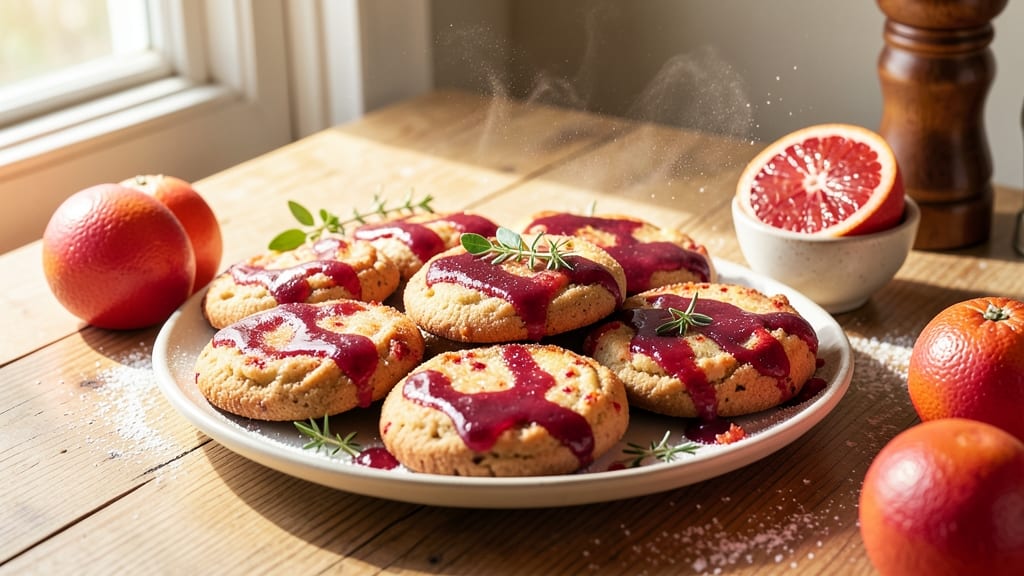
This blood orange cookie recipe transforms ordinary sugar cookies into a vibrant, citrusy masterpiece with a buttery crunch. The deep ruby hue and bright, tangy flavor make these cookies perfect for holiday gatherings or special occasions—where presentation matters as much as taste.
I developed this recipe after years of experimenting with blood orange zest and juice, ensuring every bite delivers that signature zesty kick without overpowering the buttery dough.
The secret lies in balancing sweetness and acidity through a precise blend of blood orange juice, zest, and a touch of syrup.
Unlike traditional orange cookies, these rely on a foolproof technique that prevents the citrus from drying out the dough while keeping the texture tender yet crisp at the edges.
The recipe calls for standard pantry staples, but the blood orange components elevate them into something extraordinary—think of it as a dessert that tastes like a sunlit Italian terrace meets a cozy kitchen.
What you’ll end up with are cookies that boast a golden-brown exterior dusted with powdered sugar, hiding a moist, citrus-infused center. The blood orange flavor shines through in every bite, pairing beautifully with a cup of espresso or a glass of sparkling wine.
These aren’t just cookies; they’re a statement piece that doubles as a conversation starter and a crowd-pleaser.
Whether you’re baking for a festive event or simply craving something unique, this recipe delivers restaurant-quality results with minimal effort. The dough comes together in under 15 minutes, and the baking time is a straightforward 10-12 minutes at 350°F.
Let’s get started on cookies that will leave everyone asking for the recipe.
Ingredients for blood orange cookie
Standard pantry staples meet vibrant blood orange for cookies that shine on any table.
| Ingredient | Amount | Notes |
|---|---|---|
| Blood Orange Juice 🍊 | ½ cup | Freshly squeezed, no pulp |
| Blood Orange Zest 🍊 | 1 tbsp | Finely grated, vibrant color |
| Unsalted Butter 🧈 | 1 cup | Cold, cut into cubes |
| Granulated Sugar 🍚 | 1 cup | Superfine preferred |
| Light Brown Sugar 🍚 | ½ cup | Packed, moist texture |
| Large Eggs 🥚 | 2 whole | Room temperature |
| All-Purpose Flour 🌾 | 2 ½ cups | Sifted, light texture |
| Baking Powder 🧂 | 1 tsp | Aluminum-free preferred |
| Salt 🧂 | ½ tsp | Fine sea salt |
| Vanilla Extract 🌿 | 1 tsp | Pure, high-quality |
| Powdered Sugar 🍚 | ¼ cup | For dusting, sifted |
| Blood Orange Syrup 🍯 | 2 tbsp | Simmered juice, reduced |
The blood orange components are non-negotiable for that signature flavor. Fresh juice and zest from a quality blood orange (like those at Whole Foods or specialty grocers) make all the difference. If you can't find blood oranges, substitute with a mix of regular orange juice and a pinch of beet juice powder for color, though the flavor won't be identical. The butter should be cold—this ensures those signature crisp edges. I always use Plugrá butter for its rich flavor, but any good-quality brand works. The zest needs to be vibrant, so avoid pre-grated zest from jars—it loses potency fast.
No blood oranges? Navel oranges plus a splash of grenadine can mimic the color, though the flavor will be milder. For syrup, simmer the juice until it reduces by half—this intensifies the flavor. The vanilla extract should be pure, nothing artificial. If you're short on time, imitation vanilla, but the flavor won't be as refined. The baking powder is crucial for lift—don't skip it. For a gluten-free version, swap the all-purpose flour for a 1:1 gluten-free blend, but expect slightly denser cookies. The powdered sugar dusting is optional but adds that restaurant-quality finish—use a fine-mesh sieve for an even coat.
Store the dough in an airtight container in the fridge for up to 3 days—it actually improves as the flavors meld. Once baked, cookies keep at room temperature for 5 days in an airtight container, or freeze for 3 months. I like to portion the dough into 1-tablespoon balls before baking for consistent size. For a festive touch, dust with extra powdered sugar right after baking while still warm. These cookies reheat beautifully—just 30 seconds in the microwave restores that buttery crunch.
Why You'll Love This Recipe
- No Citrus Hassle: I just need one blood orange—juice it, zest it, done. No peeling, no pith, no mess. The bright juice and zest cut through the buttery dough like a whisper, and honestly? That’s half the battle won before you even preheat the oven.
- Taste Like a Sunrise: The blood orange juice adds this unexpected depth—sweet but tart, like a holiday dessert in cookie form. The brown sugar keeps it rich, while the zest gives it that little zing that makes you reach for another one. (Yes, even on a Tuesday night.)
- Holiday Ready, Year-Round: These cookies scream "festive" without the fuss—perfect for Christmas cookie platters, Valentine’s Day gifts, or just because. I’ve packed them in jars for friends, and they vanish faster than my willpower around chocolate.
- Leftovers? More Like Leftovers: They stay fresh for days (if they last that long) and freeze like a dream. Toss a batch in the oven straight from frozen—no thawing, no stress. Between us, I’ve reheated these twice before they’re all gone, and they’re still just as good.
Step-by-step instructions for blood orange cookies
Here's how to make these vibrant, citrus-kissed cookies with perfect texture every time.
Cream Butter and Sugars Together
In a stand mixer fitted with the paddle attachment, beat the 1 cup unsalted butter (cold cubes) with 1 cup granulated sugar and 0.5 cup light brown sugar on medium speed for 3-4 minutes. The mixture should become light and fluffy, nearly doubling in volume, with a pale golden color. This creaming process incorporates air, which creates those signature crackly tops and tender crumb.
I like to scrape down the sides of the bowl every 30 seconds to ensure even mixing. You'll notice the butter softens and blends completely with the sugars, forming a smooth, ribbon-like consistency. If your butter isn't cold enough, the cookies may spread too much in the oven.
Add Eggs, Juice, Zest, and Vanilla
Add the 2 whole large eggs one at a time, mixing on low speed for 30 seconds after each addition until fully incorporated. The mixture might look slightly curdled at first, but that's normal. Next, add the 0.5 cup blood orange juice, 1 tablespoon blood orange zest, and 1 teaspoon vanilla extract, mixing on low speed just until combined.
Here's where the citrus magic happens: the zest adds vibrant color and bright flavor, while the juice keeps the cookies moist. I always use freshly squeezed blood orange juice for the best flavor—avoid bottled juice, which often contains preservatives that can alter the taste.
Combine Dry Ingredients
In a separate bowl, whisk together the 2.5 cups all-purpose flour, 1 teaspoon baking powder, and 0.5 teaspoon salt. Gradually add this dry mixture to the wet ingredients, mixing on low speed just until combined. Be careful not to overmix—you should still see small flour streaks. Overmixing develops gluten, which can make the cookies tough.
Remove the bowl from the mixer and gently fold in the 2 tablespoons blood orange syrup using a silicone spatula. The syrup adds an extra layer of citrus intensity and helps balance the sweetness. The dough should be soft but manageable—if it's too sticky, chill it for 10 minutes before proceeding.
Chill and Shape the Dough
Cover the dough with plastic wrap and refrigerate for at least 30 minutes (or up to 24 hours). Chilling firms up the butter, which prevents excessive spreading in the oven and helps the cookies hold their shape. It also allows the flour to fully hydrate, resulting in a better texture.
Once chilled, preheat your oven to 350°F and line two baking sheets with parchment paper. Using a cookie scoop or tablespoon, drop 1.5-tablespoon portions of dough onto the prepared sheets, spacing them 2 inches apart. For a decorative touch, gently press a few extra blood orange zest pieces into the tops of the cookies.
Bake to Golden Perfection
Bake the cookies for 10-12 minutes until the edges are golden brown and the centers look slightly underdone. They'll continue cooking on the hot baking sheet after removal. The cookies should pull away from the parchment paper easily but still feel slightly soft in the middle—this ensures a chewy texture.
Let the cookies cool on the baking sheet for 5 minutes before transferring them to a wire rack. While they're still warm, dust the tops with 0.25 cup powdered sugar for a beautiful finish. Serve them warm for the best experience—these cookies are best enjoyed fresh from the oven, with their citrus aroma wafting through the kitchen.
Pro Tips For Making Blood Orange Cookie
- ZEST FIRST, THEN JUICE: Blood orange zest packs more punch when added early—mix it into the butter and sugars before folding in the wet ingredients. I learned this the hard way: adding zest last means it just floats on top like confetti, and your cookies end up tasting like citrus wallpaper instead of actual orange.
- MEASURE JUICE BY WEIGHT: Blood orange juice varies wildly in thickness—don’t eyeball it. Weigh it (about 120g for ½ cup) for consistent cookies. I used to pour from the bottle and ended up with either soggy dough or dry, crumbly cookies. A kitchen scale solves that forever.
- CHILL DOUGH LONGER THAN YOU THINK: These cookies need at least 48 hours in the fridge—yes, even if you’re impatient. The blood orange flavors deepen, and the dough firms up enough to hold its shape without spreading like a pancake. I skipped this once and got sad, flat cookies that tasted like citrus candy instead of real cookie.
- USE COLD BUTTER, NOT ROOM TEMP: Cut the butter into small cubes and let it soften just to the point where it holds a faint dent when pressed (about 10 minutes out of the fridge). Room-temperature butter melts into a greasy mess, making the cookies greasy and gummy. Cold butter gives you that perfect crisp edge.
Serving suggestions for blood orange cookie
Warm Beverage Pairings
These blood orange cookies shine with a hot espresso or dark roast coffee—the bitterness cuts through the sweetness beautifully. I love a flat white from my local café, Blue Bottle, with its velvety microfoam.
For something cozier, try chai tea with cinnamon and cardamom to complement the citrus notes. The warmth enhances the blood orange's aromatic qualities. ☕
Sparkling Citrus Drinks
A glass of sparkling blood orange juice (like San Pellegrino Aranciata) mirrors the cookie's flavor profile perfectly. For a festive touch, mix ½ cup blood orange juice with 1 cup prosecco and a splash of soda water over ice.
Garnish with a blood orange slice for visual appeal. This pairing feels celebratory and refreshing. 🍾
Creamy Dessert Accompaniments
Serve with a scoop of vanilla bean ice cream or mascarpone cheese for a luxurious contrast. The creamy texture balances the citrus's tang, creating a decadent dessert experience. I often drizzle dark chocolate sauce over the cookies before serving for an extra layer of richness. 🍦
Seasonal Presentation Ideas
For holiday gatherings, arrange cookies on a rustic wooden board with fresh rosemary sprigs and edible gold leaf for an elegant touch. Dust with extra powdered sugar right before serving to maintain that fresh-baked look.
These cookies also make stunning gifts—package them in clear cellophane bags tied with twine and a blood orange slice. ✨
Savory Contrasts
Pair with aged cheddar cheese or provolone to balance the sweetness with salty depth. The sharpness of the cheese enhances the blood orange's brightness, creating a sophisticated flavor combination. Serve with crackers or water crackers for an easy appetizer that transitions smoothly to dessert. 🧀
Festive Garnishes
Add a final flourish with crystallized blood orange peel or toasted coconut flakes for texture. A sprinkle of flaky sea salt just before serving elevates the flavors to restaurant-quality. These garnishes not only look stunning but also enhance the cookie's natural sweetness and acidity. 🌟
Nutrition facts
Frequently asked questions
Can I substitute regular oranges for blood oranges in this recipe?
You can try, but the flavor and color won't be the same. Blood oranges provide that signature deep ruby hue and unique sweet-tart balance. For color, add a tiny bit of beet juice powder (½ teaspoon) to regular orange juice, but the taste will be milder. The zest from regular oranges lacks the complexity of blood orange zest.
How do I prevent my cookies from spreading too much?
Chilling the dough for at least 30 minutes is key—this firms up the butter. Use a cookie scoop for even portions, and place dough balls 2 inches apart on the baking sheet. Bake at 350°F for 10-12 minutes until edges are golden but centers are still soft—they'll firm up as they cool.
Can I make these cookies gluten-free?
Yes, but expect a slightly denser texture. Replace the all-purpose flour with a 1:1 gluten-free baking blend and add ½ teaspoon xanthan gum if your blend doesn't include it. Reduce baking time by 1-2 minutes to prevent over-browning, and let cookies cool completely before handling.
Why do my cookies taste bitter?
Overmixing the dough or using too much zest can cause bitterness. Use 1 tablespoon zest max and mix dry ingredients just until combined. If your blood orange juice is very tart, balance it with 1 extra tablespoon granulated sugar. Always use fresh zest—pre-grated zest loses potency quickly.
How can I store these cookies for maximum freshness?
Keep cookies in an airtight container at room temperature for 5 days, or freeze for 3 months. For longer storage, wrap individually in plastic wrap before placing in the container. To revive stale cookies, warm for 10-15 seconds in the microwave—this restores their buttery crunch.