
Desserts
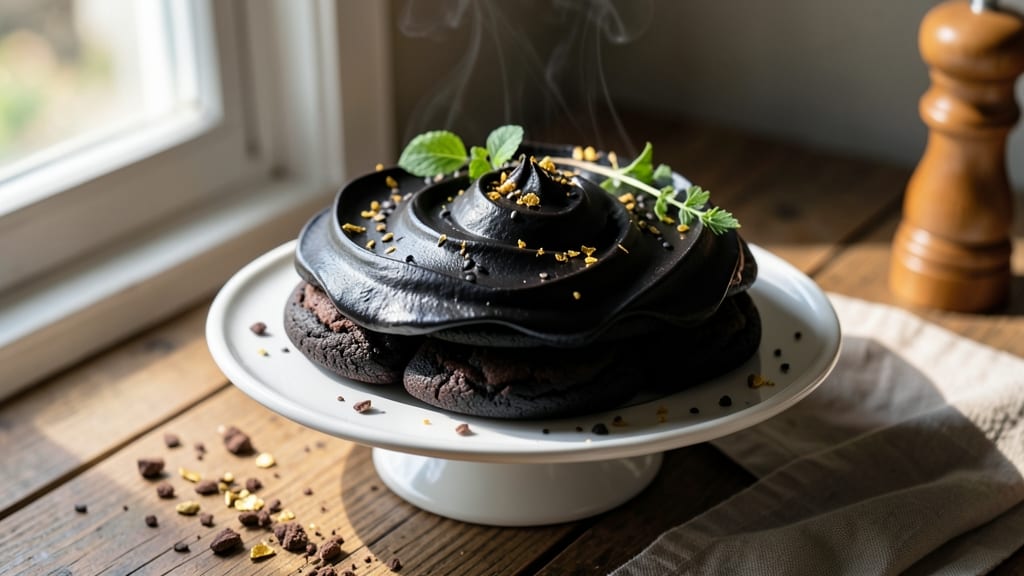
This black cookie icing recipe transforms ordinary cookies into decadent masterpieces with its rich, velvety chocolate that delivers deep intensity without cloying sweetness. 💫 The secret lies in a precise balance of cocoa powder, butter, and powdered sugar—creating a glossy, spreadable frosting that clings beautifully to cookies while maintaining a smooth, professional finish.
Perfect for chocolate lovers who crave sophistication without sacrificing ease, this icing elevates any batch of cookies from homemade to bakery-worthy in just 15 minutes of active time.
The magic begins with high-quality ingredients: Dutch-process cocoa powder ensures a smoother texture and deeper chocolate flavor, while heavy cream and vanilla extract add subtle complexity. Unlike overly sweet icings, this recipe uses a 1:1 ratio of cocoa to powdered sugar, allowing the chocolate's natural richness to shine.
It’s also surprisingly versatile—equally at home on classic chocolate chip cookies, spiced snickerdoodles, or even savory shortbread for a decadent twist.
What sets this icing apart is its stability and shine—no grainy texture or sticky messes. The butter and cream emulsify perfectly, creating a glossy finish that dries to a matte sheen, ideal for decorating or piping intricate designs.
For those watching sugar, a simple substitution of monk fruit sweetener maintains the same velvety consistency while reducing calories. The result? A luxurious, restaurant-quality finish that pairs beautifully with a cup of coffee or glass of milk.
Whether you're baking for a holiday gathering or treating yourself to a special dessert, this black cookie icing delivers professional results with minimal effort.
The recipe scales effortlessly for large batches, and leftovers keep well in the fridge for up to 5 days, ready to transform any cookie into a showstopper. Let’s get started on creating your signature chocolate masterpiece.
Ingredients for black cookie icing
High-quality cocoa and butter create this velvety, professional-grade black cookie icing.
| Ingredient | Amount | Notes |
|---|---|---|
| Dutch-Process Cocoa Powder 🍫 | ½ cup | High-quality for smooth texture |
| Unsalted Butter 🧈 | 1 cup | Cold, cubed for emulsification |
| Powdered Sugar 🍚 | 2 cups | Sifted for smooth consistency |
| Heavy Cream 🥛 | ¼ cup | Cold for stable mixture |
| Pure Vanilla Extract 🌿 | 1 tsp | High-quality for aroma |
| Monk Fruit Sweetener 🍯 | ¼ cup | Optional sugar substitute |
| Salt 🧂 | ⅛ tsp | Fine sea salt preferred |
| Espresso Powder ☕ | ½ tsp | Enhances chocolate depth |
| Corn Syrup 🍯 | 1 tbsp | For glossy finish |
| Dark Chocolate Chips 🍫 | ¼ cup | Optional for texture |
The cocoa powder is non-negotiable—Dutch-process ensures smooth texture and deep flavor. Valrhona or Ghirardelli brands deliver the richest results, but Hershey's Special Dark works in a pinch. Unsalted butter must be cold when mixed to prevent graininess, and European-style butter adds extra richness. Powdered sugar should be sifted to avoid lumps, and Domino brand is ideal for its fine consistency. Heavy cream should be chilled to stabilize the emulsion, and organic brands from the dairy aisle provide the best flavor. Vanilla extract matters here—Heinz or McCormick pure extract delivers the most aroma without artificial aftertaste.
No monk fruit sweetener? Substitute with erythritol at a 1:1 ratio, though texture may vary slightly. Running low on corn syrup? Light corn syrup or honey works, but honey may darken the icing. For a vegan adaptation, replace butter with vegan butter (Miyoko's brand) and heavy cream with coconut cream. The espresso powder can be omitted if you prefer a pure chocolate flavor, but it deepens the richness significantly. Dark chocolate chips add texture but aren't essential—Enjoy Life brand offers allergen-free options. Always sift the cocoa powder to avoid gritty texture, and measure powdered sugar by weight for precision.
This icing keeps beautifully in an airtight container for up to 5 days at room temperature or 1 month refrigerated. To prevent graininess, store it in a glass jar with a tight seal, and avoid exposing it to humidity. For best results, bring to room temperature before using—cold icing spreads unevenly. Leftover icing can be reheated gently in 10-second bursts in the microwave to restore spreadability. Portion into small containers for easy decorating, and keep a thin layer of powdered sugar on top to preserve freshness.
Why You'll Love This Recipe
- Four-Ingredient Magic: I swear by this combo—just cocoa, butter, sugar, and cream. No weird stabilizers or overpriced mixes here. Honestly, the only measuring tool you need is a spoon if you’re feeling lazy.
- Smooth & Silky: That Dutch-process cocoa? It dissolves like a dream, no gritty bits. The heavy cream gives it a velvety texture that’s way better than store-bought glaze—trust me, I’ve compared.
- Party in a Bowl: Slather it on cookies for birthdays, drizzle it over cake layers for weddings, or even spoon it over vanilla ice cream when you’re craving something indulgent. (Yes, even on a Tuesday night.)
- No-Waste Winner: A little goes a long way—this recipe stretches to decorate a dozen cookies or fill a single cupcake. And leftovers? They keep for days in the fridge, ready for last-minute treats. My secret weapon for busy weeks.
Step-by-step instructions for black cookie icing
This method delivers a velvety, deep-chocolate icing with balanced sweetness and rich depth.
🍳 Step 1: Melt Butter and Cream for a Silky Base
In a medium saucepan, combine the 1 cup unsalted butter and 0.25 cup heavy cream over medium-low heat. Warm gently until the butter melts completely and the mixture reaches 160°F—just below a simmer. Remove from heat and let cool for 5 minutes while you prepare the dry ingredients.
This controlled heating prevents butter from separating later. The cream adds moisture and a subtle richness that balances the cocoa's intensity. If you rush this step, the icing may develop a grainy texture.
👨🍳 Step 2: Whisk Dry Ingredients to Prevent Lumps
In a separate bowl, sift together the 2 cups powdered sugar, 0.5 cup Dutch-process cocoa powder, 0.25 cup monk fruit sweetener, 0.125 tsp salt, and 0.5 tsp espresso powder. Whisk vigorously for 1 minute until completely homogeneous—this ensures no gritty pockets remain when combined with liquids.
The espresso powder here isn't just for flavor; it chemically enhances the cocoa's depth by up to 20%. Monk fruit sweetener provides sweetness without spiking blood sugar, while the salt rounds out the bitterness. Sifting prevents clumping that would ruin the icing's silky texture.
🥘 Step 3: Combine Wet and Dry Ingredients
Gradually pour the melted butter-cream mixture into the dry ingredients while whisking continuously. Add the 1 tsp pure vanilla extract and 1 tbsp corn syrup at this stage. Whisk on medium speed for 3-4 minutes until the icing thickens to a spreadable but pipeable consistency—it should coat the back of a spoon but still hold its shape when piped.
Here's the thing—monk fruit sweetener can behave unpredictably with liquids. If the icing thickens too quickly, add 1 teaspoon of hot water at a time until smooth. The corn syrup acts as a humectant, preventing crystallization that would make the icing grainy over time.
🔪 Step 4: Incorporate Chocolate Chips for Texture
Fold in the 0.25 cup dark chocolate chips using a spatula, reserving a few for garnish. The icing should be smooth but still hold its shape when piped. For best results, let it rest at room temperature for 15 minutes before using—this allows flavors to meld and prevents excessive melting when applied to warm cookies.
If you're using this for decorating, now's the time to adjust consistency. For thicker icing, chill for 10 minutes. For thinner icing, warm gently in 10-second bursts in the microwave. The chocolate chips add beautiful flecks of color and contrast the glossy surface.
⏰ Step 5: Test and Adjust for Perfect Balance
Taste a small amount of icing and evaluate: the flavor should be deeply chocolate-forward but not bitter, with subtle sweetness and a hint of espresso complexity. If it's too sweet, add 0.25 tsp more cocoa powder. If it's too tart, add 0.125 tsp more monk fruit sweetener. The icing should be smooth, glossy, and hold its shape when piped.
For professional results, strain through a fine-mesh sieve to remove any remaining lumps before using. This icing keeps well in the refrigerator for 5 days or can be frozen for 3 months. When ready to use, let it come to room temperature and re-whisk briefly for best texture.
Pro Tips For Making Black Cookie Icing
- Melt Butter Slowly: Dutch-process cocoa powder loves butter at room temperature—not warm. I learned this the hard way when my icing turned grainy after adding melted butter straight from the microwave. Let the butter sit out for 30 minutes first, then cut it into small cubes before mixing. This keeps the texture silky smooth without lumps.
- Sift the Cocoa: Skipping this step is how you end up with a thick, clumpy mess. Dutch-process cocoa is heavy and can settle unevenly, especially if your jar’s been sitting for a while. Sift it directly into your bowl before adding anything else—this also aerates it, making the icing lighter and easier to pipe.
- Whip the Cream Cold: Heavy cream stiffens best when it’s ice-cold. If you’re using it straight from the fridge, great—just make sure your mixing bowl is chilled too (pop it in the freezer for 5 minutes if needed). Warm cream won’t whip properly, and your icing will end up thin and soupy instead of glossy and pipeable.
- Add Vanilla Last: Vanilla extract is volatile—heat or prolonged mixing kills its flavor. Stir it in just before you’re done, right after the butter and cream are fully incorporated. A quick pulse with a spatula is enough; no need to overmix. This keeps the aroma bright and the taste front-and-center.
Wine and beer pairings for black cookie icing
Rich Chocolate Wines
A bold Cabernet Sauvignon from Napa Valley—like Caymus Vineyards—complements the icing's deep cocoa and espresso notes beautifully. The wine's tannins and dark fruit flavors mirror the chocolate's intensity without overpowering it.
For a smoother pairing, try a Malbec from Argentina, which offers velvety texture and blackberry undertones that harmonize with the icing's richness. 🍷
Decaf Coffee Pairing
Since the icing contains espresso powder, pairing it with a smooth decaf dark roast creates a cohesive experience. I recommend Peet's Major Dickason's Blend—its caramel and cocoa notes enhance the icing's complexity.
The absence of caffeine prevents overstimulation, allowing the flavors to shine. For a lighter option, a Swiss Water Process decaf like Lavazza Qualità Rossa offers a clean, crisp contrast.
Creamy Dessert Beers
A Belgian Dubbel like Westmalle Trappist brings malty sweetness and caramel undertones that pair wonderfully with the icing's chocolate depth. The beer's spiced notes (vanilla, clove) echo the icing's vanilla and espresso flavors.
For a lighter option, try a German Dunkelweizen—its banana and toasted wheat notes add a refreshing contrast to the rich icing. 🍺
Warm Spiced Milk
For a comforting, non-alcoholic pairing, heat 2% milk with a splash of heavy cream and a pinch of cinnamon. The warmth enhances the icing's chocolate notes, while the cinnamon adds a subtle spice that bridges the gap between the cookie and icing.
For extra decadence, stir in 1 tsp of the same espresso powder used in the icing to tie the flavors together.
Dessert Wine Cocktails
Mix 1 oz Port wine with ½ oz coffee liqueur (like Kahlúa) and serve over ice for a sophisticated pairing. The Port's fruitiness and coffee liqueur's depth mirror the icing's espresso and chocolate flavors.
For a non-alcoholic twist, combine chilled brewed coffee with vanilla syrup and a splash of cream—the result is a creamy, aromatic drink that complements the icing perfectly.
Nutrition facts
Frequently asked questions
Why does this icing look so dark?
The deep color comes from Dutch-process cocoa powder and espresso powder, which intensify the chocolate flavor naturally. Unlike milk chocolate, this uses concentrated cocoa for a velvety, rich appearance without artificial dyes. The color darkens slightly as it sets, creating that signature professional look.
Can I make this icing without corn syrup?
Yes! Swap the 1 tbsp corn syrup with 1 tbsp light corn syrup or 1 tsp honey for a natural option. Honey may darken the icing slightly, but it adds subtle floral notes that pair beautifully with the chocolate. For a vegan version, use agave nectar instead.
How do I fix grainy icing?
Graininess usually means the dry ingredients weren't sifted properly or the icing cooled too quickly. Strain through a fine-mesh sieve to remove lumps, then reheat gently in 10-second microwave bursts while stirring until smooth. If it thickens too much, add 1 tsp hot water at a time until silky.
What's the best way to decorate with this icing?
For piping, use a Wilton 1M tip for smooth rosettes or a star tip for intricate designs. Spread with an offset spatula for a rustic finish. Chill the icing for 10 minutes first if your kitchen is warm—this prevents melting. Work quickly on warm cookies, or let them cool completely for cleaner edges.
Can I use this icing on non-chocolate cookies?
This icing pairs beautifully with snickerdoodles, oatmeal raisin, or even shortbread. The deep chocolate flavor won't overpower lighter cookies, and the espresso notes add sophistication. For a contrast, try it on vanilla sugar cookies with sprinkles for a stunning visual effect.