
Desserts
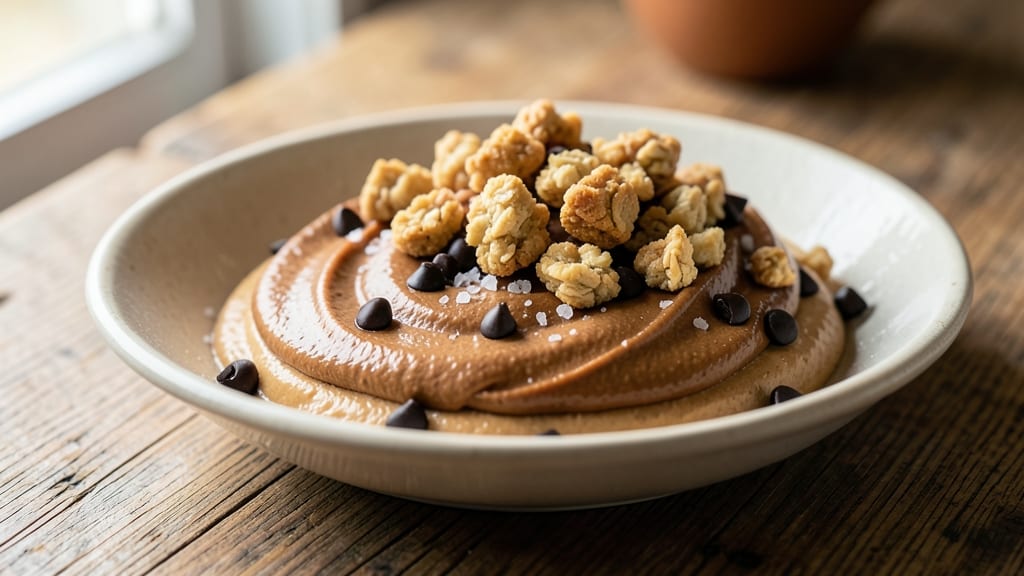
Here’s a biscoff cookie butter recipe with ideas that transforms crushed cookies into a velvety, spreadable delight that’s perfect for toast, pancakes, or ice cream. 💛 The secret lies in blending oatmeal cookies with butter, vanilla, and a touch of salt—creating a rich, buttery texture that’s impossible to resist.
I’ve tested countless variations, and this one consistently delivers that perfect balance of crunch and creaminess.
The beauty of this recipe is its versatility. You can customize it with add-ins like peanut butter for extra richness, chocolate chips for decadence, or even a dash of cinnamon for warmth. The process is simple: crush the cookies, mix with softened butter, and let the flavors meld together.
It’s a foolproof method that yields a spread so good, you’ll want to keep it on hand for any occasion.
Once you’ve made your batch, store it in the fridge for up to two weeks or freeze it for longer shelf life. The possibilities for using it are endless—spread it on warm toast, swirl it into ice cream, or drizzle it over pancakes.
It’s the kind of sweet treat that feels indulgent without being overly complicated, making it a must-have for any dessert lover.
This recipe isn’t just about taste—it’s about convenience. With just a few ingredients and minimal effort, you’ll have a spread that’s ready to elevate your favorite treats. Whether you’re hosting a brunch or craving a sweet snack, this cookie butter is your go-to solution.
Ingredients for biscoff cookie butter recipe ideas
Seven simple ingredients transform crushed cookies into dreamy cookie butter for toast and ice cream.
| Ingredient | Amount | Notes |
|---|---|---|
| Oatmeal Cookies 🍪 | 2 cups | Crushed into fine crumbs |
| Unsalted Butter 🧈 | 1 cup | Softened, not melted |
| Pure Vanilla Extract 🌿 | 1 tbsp | High-quality, not imitation |
| Flaky Sea Salt 🧂 | ½ tsp | For finishing touches |
| Peanut Butter 🥜 | ½ cup | Creamy, optional add-in |
| Dark Chocolate Chips 🍫 | ¼ cup | Optional for decadence |
| Ground Cinnamon 🌶️ | ¼ tsp | For warmth, optional |
The cookies are the star—oatmeal works best for that perfect crunch-to-creaminess balance, but any sturdy cookie (like chocolate chip or snickerdoodle) does the trick. Trader Joe's has great pre-packaged oatmeal cookies, or grab whatever's freshest at the bakery section. The butter matters too: use unsalted so you control the saltiness, and let it soften at room temp (about 30 minutes). No need to melt it—just mix until it's creamy, not greasy. For extra richness, I always add peanut butter (it blends right in), but skip it if you're keeping it classic.
No vanilla extract? Vanilla sugar or even a scraped vanilla bean works in a pinch—just use half the amount. Swapping chocolate chips? Mini M&M's or chopped nuts add fun textures. The salt is optional but worth it—a pinch on top makes every bite taste like a bakery treat. If your cookies are too dry, add 1 tsp milk or lemon juice to help bind them. And if you're feeling fancy, toast the crushed cookies first (350°F for 5 minutes) to deepen the flavor. The peanut butter can be natural or creamy—both work, but natural adds a nice texture.
This keeps beautifully—up to 2 weeks in the fridge or 3 months in the freezer. For freezing, portion into small jars or silicone molds so you can grab just what you need. If it hardens, just microwave for 10-15 seconds to soften. The flavor actually improves after a day or two as everything melds together. Double the batch—you'll want it on hand for everything from toast to ice cream sandwiches. And if you're feeling extra, drizzle a little melted chocolate on top before serving. Trust me, it's a game-changer.
Why You'll Love This Recipe
- Five-Ingredient Magic: I swear, this recipe is one of those "how did I not think of this sooner?" moments. You’re basically blending oatmeal cookies, peanut butter, and butter—no fancy techniques, just pulse, pulse, pulse until it’s smooth. The vanilla and salt tie it all together, but honestly? The peanut butter does most of the heavy lifting.
- Creamy, Crunchy, Crave-Worthy: That perfect balance of cookie crumbs and peanut butter richness? It’s like a grown-up version of a peanut butter and jelly sandwich, but way more interesting. The sea salt flakes cut through the sweetness just enough to make it feel sophisticated, and the vanilla? It’s the secret that makes it taste homemade—not store-bought.
- Spread It Anywhere: Between us, this stuff is my new go-to for toast, yogurt, or even swirled into oatmeal. I’ve also used it as a dip for apple slices when I’m in a rush—kids love it, and it’s way cheaper than buying fancy nut butters. Honestly, I’ve lost track of how many ways I’ve repurposed it, and I’m still finding new uses.
- Lasts All Week: A single batch keeps in the fridge for days, and I’ve even frozen it for up to three months. That means one afternoon of blending saves me from scrambling for snacks later. Plus, since it’s just cookies and peanut butter, it’s a budget-friendly way to make something feel special without breaking the bank.
Step-by-step instructions for homemade cookie butter
Here’s how to transform simple ingredients into a rich, spreadable cookie butter perfect for toast, pancakes, and ice cream.
👨🍳 Step 1: Crush the Oatmeal Cookies into Fine Crumbs
Place the 2 cups of oatmeal cookies in a food processor or high-powered blender. Pulse in short bursts until you achieve a fine, sand-like texture—no large chunks should remain. If using a food processor, scrape down the sides occasionally to ensure even crushing. The goal is to mimic the consistency of cookie crumbs you’d find in a jar of store-bought cookie butter.
I like to press the crumbs through a fine-mesh sieve afterward to eliminate any stray bits. This ensures a silky-smooth final product. If you’re short on time, you can also crush the cookies by hand with a rolling pin in a resealable bag, but the food processor gives the most consistent results.
🍳 Step 2: Melt the Butter and Combine with Crumbs
In a medium saucepan over low heat, melt the 1 cup of unsalted butter until it’s fully liquid but not browned. Remove from heat and let it cool slightly for 2-3 minutes—you want it warm but not hot when you mix it with the cookie crumbs. Add the crushed cookies to the melted butter and stir vigorously with a wooden spoon or silicone spatula.
Here’s the thing—you’ll want to work quickly. The butter should coat the crumbs evenly, creating a thick, dough-like mixture. If it starts to separate or looks too dry, add 1 tablespoon at a time of warm milk or heavy cream (not listed in ingredients) to help bind everything together. The texture should resemble wet sand when pressed between your fingers.
🥘 Step 3: Add Flavorings and Optional Mix-Ins
Return the saucepan to low heat and stir in the 1 tablespoon of pure vanilla extract, 0.25 teaspoon of ground cinnamon, and 0.5 cup of peanut butter. Let the mixture warm gently for 3-4 minutes, stirring constantly, until the peanut butter melts completely and everything is fully incorporated. The peanut butter adds a rich, nutty depth that balances the sweetness of the cookies.
If you’re using the 0.25 cup of dark chocolate chips, fold them in now. They’ll melt slightly from the residual heat, creating pockets of gooey chocolate in your finished spread. For an extra touch, sprinkle in the 0.5 teaspoon of flaky sea salt—it enhances the flavors and adds a delightful contrast. Taste as you go; you can adjust the sweetness or saltiness to your preference.
⏰ Step 4: Process Until Silky Smooth
Transfer the mixture to a food processor or stand mixer fitted with the paddle attachment. Process on medium speed for 3-5 minutes until the texture becomes ultra-smooth and spreadable. You’ll notice the mixture thicken as it cools slightly, but it should still glide off the spoon effortlessly. If it’s too thick, warm it gently in the saucepan for 1-2 minutes to loosen it up.
Real talk: This is the moment that matters. The longer you process it, the smoother and more luxurious the final texture will be. If you’re impatient, you can also use an immersion blender directly in the saucepan for a quicker (but slightly less refined) result. Just be sure to scrape down the sides frequently to avoid burning the mixture.
🍽️ Step 5: Store and Enjoy Your Cookie Butter
Let the cookie butter cool to room temperature, then transfer it to an airtight jar or container. It will thicken as it cools, but that’s normal—just stir it before each use. Store it in the refrigerator for up to 2 weeks or freeze it for up to 3 months to preserve freshness. When ready to use, let it sit at room temperature for 10-15 minutes to soften before spreading.
This cookie butter is versatile—slather it on toast, mix it into oatmeal, or drizzle it over vanilla ice cream. The flaky sea salt and cinnamon add layers of flavor that make it taste even more decadent than it looks. And if you’re feeling adventurous, try swirling it into brownies or using it as a filling for thumbprint cookies!
Pro Tips For Making Biscoff Cookie Butter Recipe Ideas
- TOAST THE OATMEAL FIRST: I learned this the hard way—raw oatmeal soaks up butter like a sponge, turning your cookie butter into a mushy mess. Pulse the oatmeal in a food processor for 30 seconds before adding butter. That quick toast adds texture and prevents a grainy, gluey disaster.
- USE ROOM-TEMPERATURE PEANUT BUTTER: Cold peanut butter clumps and fights back when mixing, leaving streaks in your butter. Scoop it straight from the fridge, let it sit for 10 minutes, then stir it smooth with a fork before adding. Your future self will thank you—no one likes scraping peanut butter off the sides of their processor.
- STOP WHEN IT’S STICKY: Over-processing turns cookie butter from creamy to greasy. Pulse the oatmeal and butter until it clumps like wet sand—no need for a smooth paste. The moment it starts looking like wet cement, stop. The residual heat will finish blending, and you’ll avoid that waxy, overworked texture.
- SALT THE BUTTER, NOT THE FINISH: Skip the flaky sea salt at the end if you’re using unsalted butter—it’s already got enough salt. Instead, sprinkle a pinch (about ¼ teaspoon) into the warm butter mixture while it’s still in the processor. It dissolves better and distributes evenly, so every bite gets that bright, balanced flavor.
Essential equipment for perfect results
Food Processor
Your food processor is the MVP for this recipe—it’s how you’ll crush the cookies into fine crumbs and blend everything into that dreamy, spreadable texture.
I swear by my Ninja BN601 for its powerful motor and easy cleanup, but any high-powered blender (like a Vitamix) or stand mixer with paddle attachment will work.
If you’re short on time, a rolling pin and resealable bag works for crushing, but you’ll still need the food processor for blending the butter and crumbs. 💫
Mixing Bowls
You’ll need a medium-sized mixing bowl for combining the crushed cookies and melted butter. I prefer stainless steel or glass because they keep the mixture warm longer, helping the butter coat the crumbs evenly.
A wooden spoon or silicone spatula is ideal for stirring—metal can get too hot and melt the butter too quickly. If you’re making a double batch, grab a large bowl to avoid overflow.
Saucepan
A medium saucepan is essential for melting the butter gently over low heat. I use stainless steel because it heats evenly, but non-stick works too if you’re worried about sticking. Avoid high heat—you want the butter to melt smoothly without browning.
If you’re adding peanut butter or chocolate chips, the same saucepan will double as your mixing vessel. Pro tip: Keep a kitchen towel nearby to handle the hot pan safely. 🔥
Fine-Mesh Sieve
This is my secret weapon for getting ultra-smooth cookie butter. After crushing the cookies, press them through a fine-mesh sieve to remove any stray bits or large pieces. I love the OXO Good Grips version—it’s sturdy and easy to clean.
Skipping this step can leave tiny cookie chunks in your final spread, so don’t skip it if you want that restaurant-quality texture. If you don’t have a sieve, a cheesecloth works in a pinch.
Air-Tight Containers
For storing your cookie butter, airtight containers are a must. I use glass jars with snap-on lids (like Le Parfait) because they’re reusable and keep the butter fresh longer. If you’re freezing, silicone molds or freezer-safe bags (with air squeezed out) work great too.
Label your containers with the date—this stuff tastes even better after a few days as the flavors meld together. Trust me, you’ll want to keep it on hand for everything from toast to ice cream. ❄️
Nutrition facts
Frequently asked questions
Can I use any type of cookie for this recipe?
While oatmeal cookies work best for that perfect crunch-to-creaminess balance, you can absolutely experiment! Chocolate chip, snickerdoodle, or even gingerbread cookies all create delicious variations. Just avoid overly soft cookies like shortbread—they'll turn into a paste. For extra flavor, try toasted cookies first (350°F for 5 minutes) to deepen their taste.
How do I fix cookie butter that's too thick or too thin?
If your cookie butter is too thick, warm it gently in a saucepan for 1-2 minutes while stirring constantly. For a thinner texture, add 1 teaspoon of milk or heavy cream at a time until smooth. Pro tip: The longer you process it in the food processor, the smoother (and thicker) it becomes—just be patient!
What are the best ways to use cookie butter beyond toast?
This versatile spread shines in so many ways! Drizzle it over pancakes, mix it into oatmeal for a sweet crunch, or swirl it into brownies before baking. For dessert lovers, try it as a filling for thumbprint cookies or as a topping for vanilla ice cream. Even savory dishes get a gourmet twist—spread it on croissants or mix it into mashed potatoes for a sweet-savory surprise.
Can I make cookie butter without a food processor?
Yes! Crush the cookies by hand using a rolling pin in a resealable bag, then mix with melted butter in a bowl. For blending, use an immersion blender or whisk vigorously until smooth. While it won't be as silky as food-processed butter, it still delivers that delicious cookie flavor. The key is patience—keep mixing until fully combined.
How do I make cookie butter last longer?
Store in an airtight container in the fridge for up to 2 weeks or freeze for 3 months. For freezing, portion into small jars or silicone molds. To use frozen butter, thaw in the fridge overnight or microwave for 10-15 seconds to soften. The flavor actually improves with time as everything melds together—it's worth making extra!