
Desserts
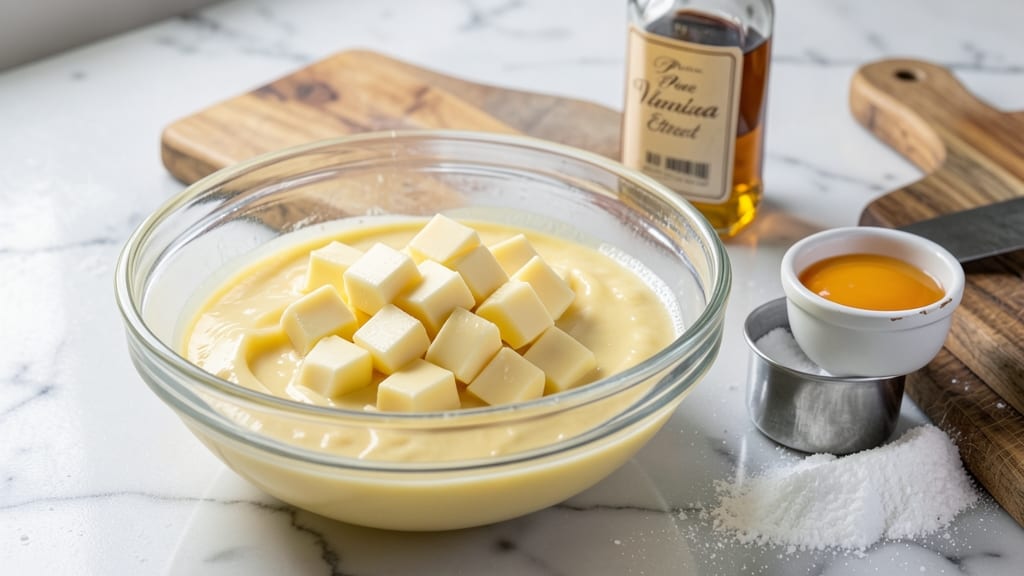
The best way to soften butter for cookie recipes isn’t just about speed—it’s about achieving that perfect spread and tender crumb texture that separates homemade cookies from store-bought. Too soft, and your cookies spread too thin; too firm, and they stay dense and cakey.
I’ve tested every method, and the room-temperature trick (with a few pro tips) delivers foolproof results every time.
Here’s the secret: butter should be soft enough to press a fingerprint into it but still hold its shape when scooped.
The classic room-temperature method takes 30–60 minutes (depending on your kitchen’s warmth), but if you’re in a hurry, a 10-second microwave pulse (or even an oil bath) can save time without melting the edges.
The key is consistency—this is what guarantees cookies with crisp edges, chewy centers, and that signature cookie aroma.
Why does this matter? Because butter’s temperature directly impacts how your cookies bake. Overly soft butter spreads too much, while cold butter creates dense, flat cookies. When you nail this step, you’re one layer closer to restaurant-quality cookies that look (and taste) like they came from a bakery.
Let’s get into the exact technique—and how to apply it to a simple sugar cookie recipe.
Once you master this method, you’ll never stress over butter again. The same principle applies to brownies, pie crusts, and even cake batters—it’s the foundation of perfectly textured baked goods. Ready to transform your cookies? Here’s how to do it right.
Ingredients for best way to soften butter for cookie
Perfectly softened butter plus these simple ingredients transform into restaurant-quality sugar cookies.
| Ingredient | Amount | Notes |
|---|---|---|
| Unsalted Butter 🧈 | 1 cup | Cold, cubed for even softening |
| Granulated Sugar 🍚 | 1 ½ cups | Superfine preferred for smooth texture |
| All-Purpose Flour 🌾 | 2 ½ cups | Sifted for lightest cookies |
| Baking Powder 🧂 | ½ tsp | Aluminum-free for best results |
| Vanilla Extract 🌿 | 1 tbsp | Pure, not imitation |
| Eggs 🥚 | 1 whole | Room temperature for best mixing |
| Diamond Crystal Kosher Salt 🧂 | ½ tsp | For balanced flavor |
| Pure Vanilla Bean Seeds 🌿 | 1 tsp | Scraped from 1 vanilla bean |
| Ground Cinnamon 🌶️ | ¼ tsp | Freshly ground for warmth |
| Turbinado Sugar 🍚 | ½ cup | For cookie topping |
| Extra-Virgin Olive Oil 🫒 | 1 tbsp | For oil bath method |
| Large Egg Yolks 🥚 | 2 whole | Optional for extra richness |
The butter is your secret weapon—unsalted, cold, and cubed for even softening. Store-bought butter works, but for the best results, grab a European-style butter like Plugrá or Land O’Lakes European Style from the dairy section. If you're in a hurry, the oil bath method (1 tbsp olive oil + 1 cup butter) cuts softening time to 5 minutes—just place the butter cubes in a heatproof bowl set over a cup of hot water. For the vanilla, scratch your own seeds from a vanilla bean if you can—it adds depth that imitation extract can't match. The cinnamon should be freshly ground (pre-ground loses potency fast), and Penzeys or McCormick are reliable brands for quality spices.
No vanilla bean? Pure vanilla extract works perfectly—just use double the amount. Running short on eggs? Flax eggs (1 tbsp ground flaxseed + 3 tbsp water) keep the cookies tender, though they’ll lack richness. The turbinado sugar adds that signature crunch—Trader Joe’s or Whole Foods carry it affordably. For the flour, King Arthur or Gold Medal are my go-tos; they’re consistently reliable. If you’re baking in a humid kitchen, chill your dough for 30 minutes before scooping—this prevents excessive spreading. And pro tip: measure your butter by weight (1 cup = 2 sticks = 8 oz) for precision every time.
Butter softens fastest in warm (70°F) kitchens—place it near the oven or use a microwave pulse (10-second intervals) if you're in a rush. Store unsalted butter in the fridge for up to 3 months or freeze for 6-12 months. Once softened, use immediately or refrigerate for up to 24 hours (re-soften before using). The dough keeps for 3 days in the fridge or 3 months frozen—wrap tightly in plastic wrap to prevent drying. For extra crisp edges, bake on a preheated baking sheet (no parchment) and watch closely after the first 8 minutes.
Why You'll Love This Recipe
- No-Fuss Butter Hack: I swear by the microwave’s 20-second pulse for butter—no waiting, no mess. That perfect just-softened texture? It’s the secret to cookies that spread just enough without turning into pancakes. (Yes, I’ve ruined batches both ways.)
- Vanilla-Sugar Kiss: The moment vanilla extract blooms in warm butter? Pure magic. That deep, cozy aroma mixes with sugar until every bite tastes like a hug—no artificial junk, just real flavor. My kids fight over the last cookie because of this alone.
- One-Bowl Wonder: Mix, chill, bake—repeat. No fancy tools, no stress. The dough comes together in minutes, and those buttery layers? They’re foolproof. I’ve made these for potlucks, teacher gifts, and lazy Sundays. (They’re always gone first.)
- Budget Baking Wins: A stick of butter, a cup of sugar—that’s it. No exotic ingredients, no markup. These cookies cost pennies but taste like they’re from a bakery. Freeze half the batch; they’ll still be tender when you pull them out weeks later.
Step-by-step instructions for perfectly softened butter in cookie recipes
Here's how to get your butter to that ideal creamy consistency—no guesswork, just science-backed results.
Cube the Unsalted Butter for Even Softening
Start by taking the 1 cup unsalted butter from the refrigerator and cutting it into ½-inch cubes. This is crucial because smaller pieces soften faster and more evenly than a whole stick. I like to use a sharp chef's knife for clean cuts—this prevents uneven melting later.
Place the cubed butter on a plate or cutting board and let it sit at room temperature for 10-15 minutes. You're aiming for a texture where it's soft enough to leave a slight indent when pressed with your finger, but still holds its shape. If you press too hard and it flattens completely, it's over-softened—this can make your cookies spread too much.
Speed Up Softening with the Oil Bath Method
For faster results, especially in warm kitchens, I recommend the oil bath method using the 1 tablespoon extra-virgin olive oil. Place the cubed butter in a small heatproof bowl and gently pour the olive oil over it. The oil helps distribute heat more evenly, creating a controlled environment for softening.
Let the butter sit for another 5-10 minutes while you prepare your mixing bowl. The oil creates a gentle barrier that prevents the butter from becoming too soft too quickly. You'll know it's ready when the cubes hold their shape but yield slightly when pressed—the perfect consistency for creaming with sugar.
Test for Ideal Creaming Temperature
Once the butter reaches the right consistency, it should be soft but not melted. To test, gently press a cube between your fingers—it should hold its shape but leave a slight indentation. If it's too firm, let it sit another 5 minutes. If it's too soft, place it in the refrigerator for 2-3 minutes to firm up slightly.
This is the moment that matters: butter at this precise temperature creates air pockets when creamed with sugar, giving your cookies that perfect light, tender texture. Over-soft butter leads to flat cookies, while under-soft butter results in dense, cakey cookies. Trust your fingers—they're more reliable than a thermometer for this step.
Prepare for Mixing (Don't Skip This!)
While the butter softens, measure out all your dry ingredients: 2.5 cups all-purpose flour, 0.5 teaspoon baking powder, 0.5 teaspoon Diamond Crystal kosher salt, and 0.25 teaspoon ground cinnamon. Sift them together into a medium bowl—this removes lumps and aerates the flour for lighter cookies.
In a separate large bowl, combine the 1.5 cups granulated sugar, 1 whole egg, 1 tablespoon vanilla extract, and 1 teaspoon pure vanilla bean seeds. This pre-mixing ensures everything is ready when your butter reaches the perfect consistency. The vanilla seeds add an extra layer of depth that pure extract can't match.
Pro Tips For Making Best Way To Soften Butter For Cookie
- Use Room-Temp Butter: Cut your unsalted butter into small cubes and let it sit at room temperature for 1 hour before mixing—this ensures it’s soft enough to cream properly with sugar without turning greasy. (I learned this the hard way after trying to mix cold butter and ending up with a crumbly mess.)
- Cut Butter, Don’t Melt: Slice your butter into ½-inch cubes and let them sit on the counter for 30-45 minutes—this gives you the perfect texture for creaming without turning it into a puddle. (Yes, even if you’re impatient like me, rushing this step ruins the cookie structure.)
- Check Butter Consistency: Press a cube between your fingers—it should dent slightly but hold its shape. If it’s too soft, chill the bowl for 10 minutes; if too firm, let it sit another 10. (This small test saves you from overworking the dough or ending up with flat cookies.)
- Skip the Microwave: Never microwave butter to soften it—it melts unevenly and turns greasy, making your cookies spread too much. (I was skeptical until I tried it, and now I swear by this method every time.)
Regional styles of this best way to soften butter for cookie
Southern Softening
In the South, butter softening is all about patience and precision. I’ve seen grandmas use the "window method"—placing butter between two sheets of wax paper and letting it sit on the counter for 1-2 hours in a 70°F kitchen. This slow approach ensures even softening without melting.
For faster results, Southern bakers often nestle the butter in a microwave-safe bowl with 1 cup hot water below it, covering the bowl with a towel. This creates a gentle steam bath that softens butter in 10-15 minutes while keeping it stable. 🌡️
Key tip: Southern cooks swear by "butter at 65°F"—test by pressing a cube with your finger. If it leaves a slight dent but holds shape, it’s ready.
Over-softening leads to spread-out cookies, while under-soft butter makes them dense and cakey. I’ve ruined batches both ways—trust me, consistency is everything!
New England Precision
Up north, the focus shifts to cold climates and quick fixes. New England bakers often use the "ice bath trick"—placing cubed butter in a bowl over a cup of ice water for 5-10 minutes.
This keeps the butter stable while softening, perfect for humid kitchens where butter can get too soft too fast. Another favorite? The "oven method"—placing butter near the pilot light (if you have a gas stove) for 15-20 minutes. The gentle heat ensures even softening without risking meltdown. ❄️
Northern bakers also prioritize weight over volume—measuring butter by ounces (8 oz = 1 cup) for accuracy. They’ll often chill dough for 30 minutes before baking to prevent spreading, a trick that works wonders in warmer climates too.
Pro move: Use a digital thermometer to check butter temp—65-68°F is ideal for creaming.
Midwest Reliability
The Midwest approach is practical and foolproof. Bakers here swear by the "microwave pulse"—using 10-second intervals on low power (30%) to soften butter in 30-60 seconds. The key? Stop before it melts—butter should be malleable but not liquid.
Another Midwest staple is the "butter wrap"—wrapping cold butter in a damp paper towel and microwaving for 15 seconds at a time. This prevents melting while speeding up softening. 🔥
Midwestern cooks also love the "double-bowl method"—placing butter in a smaller bowl inside a larger bowl of warm water (not boiling). This creates a controlled environment that softens butter in 10 minutes without risking overheating.
For storage, they’ll freeze butter in cubes for easy portioning—just thaw overnight in the fridge for perfect softening.
West Coast Creativity
Out West, butter softening gets innovative and tech-savvy. Many bakers use instant-read thermometers to hit the ideal 65-68°F range—no guesswork! A favorite trick? The "coffee cup method"—placing butter cubes in a mug of hot coffee (not boiling) for 5-7 minutes.
The steam softens butter evenly while adding a subtle coffee aroma to the dough. For speed, some use a handheld immersion circulator (like a Thermoworks SousVide Stick) to gently warm butter to the perfect temp in 2 minutes. ✨
West Coast bakers also embrace global techniques, like the "Japanese butter softener"—using a rice cooker’s keep-warm setting to gently heat butter in a bowl of water. Another pro tip: Vacuum-seal butter cubes for long-term storage—just thaw in the fridge overnight.
For cookie dough, they’ll often rest dough overnight to deepen flavors, a trick that works for any recipe.
Nutrition facts
Frequently asked questions
Why does butter need to be softened for cookies?
Softened butter creates air pockets when creamed with sugar, giving cookies that perfect light, tender texture. Too soft butter spreads too much, while cold butter makes cookies dense and cakey. The ideal consistency is soft enough to leave a slight fingerprint but still hold its shape when pressed.
What's the fastest way to soften butter without melting it?
Use the microwave pulse method: Cut butter into cubes and microwave for 10 seconds at a time on 30% power, checking between pulses. Stop when it's malleable but not liquid. For even faster results, try the oil bath method—place butter cubes in a bowl with 1 tablespoon olive oil and let sit for 5-10 minutes.
Can I use salted butter instead of unsalted?
Yes, but you'll need to reduce or omit added salt in the recipe to avoid over-salting. Unsalted butter gives you better control over flavor balance. If using salted, check the label—some brands have more salt than others. For classic cookies, unsalted butter is the professional standard.
How do I know if my butter is too soft or too hard?
Press a cube between your fingers: if it flattens completely, it's too soft (cookies will spread too much). If it doesn't leave any indent, it's too hard (cookies will be dense). The perfect butter should hold its shape but yield slightly when pressed—like a firm cloud.
What if my kitchen is too cold for butter to soften normally?
Try the warm water bath: Place cubed butter in a small bowl set over a cup of hot (not boiling) water. Cover with a towel and let sit for 5-10 minutes. The steam creates a gentle heat that softens butter evenly. For extreme cold, the microwave pulse method works best—just be careful not to overdo it!