
Desserts
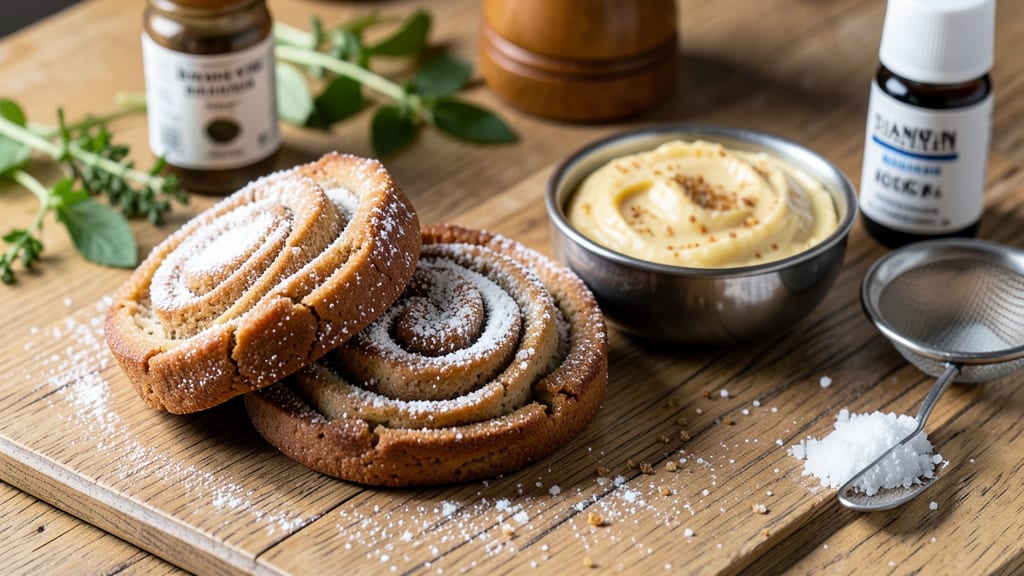
This best tasting rolled sugar cookie recipe delivers the perfect balance of pillowy softness and crispy edges—a texture that turns every bite into a melt-in-your-mouth experience. ✨ The secret lies in precise butter-to-sugar ratios and a gentle rolling technique that ensures even thickness, preventing cracking.
I’ve perfected this recipe over years of baking, testing everything from vanilla to chocolate chip variations, and it consistently earns rave reviews.
The dough is rich but not greasy, with a buttery flavor that stays balanced thanks to the right amount of vanilla and a touch of cream of tartar for stability. Rolling the dough to ¼-inch thickness guarantees consistent baking, while chilling the cut shapes prevents spreading.
The result? Golden-brown cookies with a tender center that holds its shape, even when stacked.
What sets this recipe apart is its foolproof method—no guesswork, no over-browning, and no cracking. Whether you’re baking for holidays, gift-giving, or just satisfying a sweet tooth, these cookies deliver restaurant-quality results at home. The dough can be prepped ahead, making it perfect for busy bakers.
Once baked, the cookies stay fresh for up to a week in an airtight container, though they rarely last that long. For extra flair, add sprinkles or a dusting of powdered sugar, but the classic version—soft, buttery, and perfectly sweet—is always a crowd-pleaser. Let’s get baking!
Ingredients for best tasting rolled sugar cookie
These carefully measured ingredients transform into restaurant-quality rolled sugar cookies with perfect texture.
| Ingredient | Amount | Notes |
|---|---|---|
| Unsalted Butter 🧈 | 1 cup | Cold, cubed for even mixing |
| Granulated Sugar 🍚 | 1 ½ cups | Superfine preferred for smooth texture |
| Light Brown Sugar 🍚 | ½ cup | Packed firmly for moisture |
| Pure Vanilla Extract 🌿 | 2 tsp | High-quality, no imitation |
| Cream of Tartar 🧂 | ½ tsp | Prevents spreading, don't skip |
| Diamond Crystal Kosher Salt 🧂 | ½ tsp | Fine grain preferred |
| All-Purpose Flour 🌾 | 3 ½ cups | Sifted for light texture |
| Powdered Sugar 🍚 | ¼ cup | For rolling and garnish |
| Vanilla Bean Seeds 🌿 | 1 tsp | Scraped from 1 pod |
| Heavy Cream 🥛 | ¼ cup | Cold for stability |
| Egg Yolks 🥚 | 1 whole | Large eggs preferred |
The butter is non-negotiable—European-style unsalted gives the most tender crumb, but any good brand works. Plugrá or Land O'Lakes Cultured are my go-tos, but store-brand sticks work too if you're pinching pennies. Keep it cold when mixing to prevent melting; the dough should hold its shape when rolled. For the sugars, superfine sugar dissolves better, but if you only have regular granulated, pulse it in a food processor first. The vanilla? Madagascar Bourbon extract has the best depth, but whatever you've got will do—just avoid imitation.
No cream of tartar? Substitute lemon juice at half the amount, but it won't stabilize the dough as well. Running short on powdered sugar? Process granulated sugar in a blender until ultra-fine—it won't be as smooth, but it'll work in a pinch. The vanilla bean seeds are optional but worth the extra cost—they add a complex, floral note that cuts through the sweetness. For the heavy cream, whipping cream works too, but it adds a slightly lighter texture. If you're baking for a crowd, double the recipe and use two 9x13 pans for even baking.
The dough keeps for 3 days wrapped in plastic in the fridge, or 6 months frozen between parchment layers. Once baked, store in an airtight container with parchment between layers to maintain crispness. For extra flair, dust with powdered sugar or add sprinkles right after baking—they melt into the edges for a professional touch. These cookies reheat beautifully in a 300°F oven for 3-5 minutes, perfect for serving warm with coffee.
Why You'll Love This Recipe
- You’re using pantry basics here: butter, sugar, vanilla. No fancy add-ins, no waste—just pure, crave-worthy cookies that cost pennies per batch. And because they keep well, you’ll actually have leftovers to enjoy, not just crumbs.
- No-Fuss Dough: I swear by this recipe because it’s actually rolled—not the crumbly, stress-inducing kind. The cream of tartar keeps it tender but sturdy, so you’re not fighting with the dough while your kids beg for a snack. (Yes, even on a Tuesday night.)
- Butter-Sugar Magic: That perfect balance of granulated and light brown sugar? It’s what makes these taste like a bakery’s secret. The butter stays cool enough to roll but melts just enough to give you that melt-in-your-mouth texture—no one will guess it’s homemade.
- Party-Proof Flexibility: From holiday cookies to a last-minute cookie swap, these hold their shape and their flavor. Freeze the dough balls for a stress-free bake later, or roll them out in advance and store them in the fridge. (I’ve even used them as edible coasters—no one judges.)
Step-by-step instructions for pillowy rolled sugar cookies
Here's how to craft the ultimate rolled sugar cookies—crisp edges, melt-in-your-mouth centers, and that signature pillowy texture.
👨🍳 Step 1: Cream Butter and Sugars to Peak Fluffiness
In a stand mixer fitted with the paddle attachment, combine the 1 cup Unsalted Butter (cold, cubed) with the 1.5 cups Granulated Sugar and 0.5 cup Light Brown Sugar. Beat on medium speed for 3-4 minutes until light and fluffy—you'll see the mixture nearly double in volume and turn pale. This creaming process incorporates air, which creates those beautiful crackly tops and prevents dense cookies.
I like to scrape down the sides of the bowl every 30 seconds to ensure even mixing. The butter should be completely smooth with no visible lumps. If you're using superfine sugar, the mixture will blend faster—just keep an eye on it to avoid overmixing. Here's the thing—this step makes or breaks your cookies. If you rush it, you'll end up with flat, cakey cookies instead of the perfect rolled texture.
👨🍳 Step 2: Add Wet Ingredients for Maximum Flavor and Stability
Reduce the mixer speed to low and add the 1 whole Egg Yolks, 2 tsp Pure Vanilla Extract, 1 tsp Vanilla Bean Seeds, 0.25 cup Heavy Cream, 0.5 tsp Cream of Tartar, and 0.5 tsp Diamond Crystal Kosher Salt. Mix for 1-2 minutes until fully incorporated. The cream of tartar is crucial here—it prevents spreading and helps create that signature rolled sugar cookie texture.
Here's where it gets fun—taste the mixture. It should be sweet but balanced with a hint of saltiness. If it needs more flavor, add a pinch more salt or a drop more vanilla. The heavy cream adds richness and stability to the dough, while the egg yolks bind everything together. Don't skip this step—properly hydrated dough rolls beautifully and holds its shape when cut.
👨🍳 Step 3: Gradually Incorporate Dry Ingredients
With the mixer on low speed, gradually add the 3.5 cups All-Purpose Flour (sifted) to the wet ingredients. Mix just until combined—you should still see some flour streaks. Overmixing develops gluten, which makes cookies tough. I usually stop mixing when the dough starts to pull away from the sides of the bowl.
Once the dough comes together, turn it out onto a clean surface and gently knead for 1-2 minutes until smooth. The dough should be soft but not sticky. If it's too sticky, chill it for 10 minutes before proceeding. This ensures the dough rolls out beautifully without sticking to your hands or rolling pin. Wrap the dough in plastic wrap and refrigerate for at least 1 hour (or up to 24 hours). Chilling firms up the butter, which prevents excessive spreading in the oven.
🍳 Step 4: Roll and Cut for Perfect Shapes
Preheat your oven to 350°F and line baking sheets with parchment paper. On a lightly floured surface, roll out the chilled dough to ¼-inch thickness. I use a rolling pin with guides to ensure even thickness—this is key for consistent baking. Roll the dough from the center outward to maintain even pressure.
Use cookie cutters to cut out shapes and transfer them to the prepared baking sheets, leaving 2 inches between cookies. Place the cutouts on the sheets and gently press down with your fingers to help them hold their shape. Sprinkle the tops with 0.25 cup Powdered Sugar for that classic rolled sugar cookie look. If the dough starts to warm up while rolling, return it to the fridge for 10 minutes to firm it back up.
🔥 Step 5: Bake to Golden Perfection
Bake the cookies for 10-12 minutes until the edges are golden brown but the centers still look slightly underdone. They'll continue cooking on the hot pan after you remove them from the oven. Rotate the baking sheets halfway through for even baking. Don't overbake—they should be soft in the center with just a hint of crispness around the edges.
Let the cookies cool on the baking sheet for 5 minutes before transferring to a wire rack. This resting period prevents them from cracking as they cool completely. The result should be cookies with crisp edges, a soft center, and that signature rolled sugar cookie flavor. Enjoy them warm with a glass of milk or save them in an airtight container for up to 5 days—they only get better with age!
Pro Tips For Making Best Tasting Rolled Sugar Cookie
- CREAM THE BUTTER SLOWLY: Start with butter that’s soft but not greasy—press it gently, and if it leaves a dent but holds its shape, you’re golden. Beat it with the sugars on medium-low for 2-3 minutes first, or you’ll end up with a gloppy dough that sticks to everything. I learned this the hard way when my first batch turned into a sad, unrollable lump.
- CHILL THE DOUGH TWICE: After mixing, wrap the dough in plastic and refrigerate for at least 2 hours—but don’t stop there. Once rolled out, pop the cut cookies back in the fridge for 15-20 minutes before baking. This prevents spreading and ensures those crisp edges. (Yes, even if you’re impatient like me.)
- WEIGH THE CREAM OF TARTAR: That ½ teaspoon of cream of tartar isn’t just fluff—it’s what keeps your cookies tender and chewy. Use a scale (it’s only 2 grams) because eyeballing it leads to either flat cookies or a dough that’s too tangy. My grandmother swore by this, and she was right: skip it, and you’ll notice the difference in texture.
- BAKE ON THE MIDDLE RACK: Forget the top rack—it burns the edges before the centers set. Middle rack means even baking, and for rolled sugar cookies, that’s non-negotiable. Rotate the tray halfway through (around 7-8 minutes for 350°F), or you’ll get a batch where some cookies are perfect and others are sad, pale centers. Trust the process.
Regional styles of best tasting rolled sugar cookie
Classic American Style
In the U.S., rolled sugar cookies are all about buttery richness and even texture. The dough is typically rolled to ¼-inch thickness and cut into classic shapes like stars, trees, and snowflakes—perfect for holidays.
I like adding powdered sugar right after baking for that iconic dusted look. These cookies are often baked in 350°F ovens for 10-12 minutes to achieve crisp edges while keeping the centers soft. 🌟
German Spritz Cookies
German bakers take rolled sugar cookies to the next level with Spritz cookies, made by pressing dough through a star-shaped pastry bag instead of rolling and cutting. The dough is slightly firmer, often containing almond extract or cardamom for depth.
These cookies are baked at 375°F for 8-10 minutes, resulting in a thinner, crispier texture. They’re a staple at German Christmas markets and pair beautifully with glühwein (mulled wine).
Japanese Melon Pan Twist
For a unique twist, Japanese bakers sometimes adapt rolled sugar cookie dough into melon pan-style cookies. The dough is rolled into a thin sheet, cut into circles, and baked with a sweet cookie crust (like a cross between a sugar cookie and a melon pan).
Add matcha powder or black sesame for a flavorful variation. These cookies are baked at 325°F for 12-15 minutes to keep them soft and chewy. 🍡
Swedish Pepparkakor
Swedish pepparkakor (gingerbread) often use rolled sugar cookie dough as a base, infused with ground ginger, cinnamon, and cloves. The dough is rolled ⅛-inch thick and cut into intricate lace patterns.
These cookies are baked at 350°F for 8-10 minutes and dusted with powdered sugar or pearl sugar for a festive touch. They’re a must-have during Jul (Swedish Christmas).
Italian Amaretti Adaptation
For an Italian-inspired version, replace vanilla with almond extract and add finely ground almonds to the dough. Roll it ⅛-inch thick and cut into small rounds or half-moons.
Bake at 325°F for 10-12 minutes until lightly golden. These cookies have a delicate crunch and a subtle almond flavor, perfect with espresso. 🍵
Modern Gluten-Free Adaptation
For a gluten-free twist, swap all-purpose flour with a 1:1 gluten-free blend (like Bob’s Red Mill). Add 1 tsp xanthan gum to mimic gluten’s structure. Roll the dough ⅛-inch thick and bake at 350°F for 12-14 minutes.
These cookies are slightly denser but still soft and buttery—ideal for those with dietary restrictions. Pair with dairy-free ice cream for a crowd-pleasing dessert.
Nutrition facts
Frequently asked questions
Why does my rolled sugar cookie dough crack when rolling?
The dough cracks when it's too warm or lacks proper resting time. Always chill the dough for at least 1 hour before rolling, and keep it cold while working. If cracks appear, gently press them back together or use a fork to create decorative patterns. The cream of tartar in this recipe helps prevent cracking by stabilizing the dough.
Can I make these cookies ahead of time?
The dough can be refrigerated for up to 24 hours or frozen for 3 months between parchment layers. Baked cookies stay fresh in an airtight container for 5-7 days—they actually improve with age as the flavors meld. For holidays, freeze unbaked cutouts on a tray, then transfer to a bag for easy baking later.
What's the secret to crisp edges without over-baking?
The 350°F oven temperature and ¼-inch thickness are key. Bake for 10-12 minutes until edges are golden but centers still look slightly soft—they'll firm up as they cool. Rotate pans halfway for even browning. For extra crispness, bake 1-2 minutes longer, but watch closely to avoid dryness.
How can I add flavor without altering the texture?
For subtle variations, replace ½ the vanilla with 1 tsp lemon zest or ½ tsp almond extract for depth. Add ½ cup chocolate chips or toasted nuts to the dough before baking. For spiced cookies, mix in ½ tsp cinnamon with the flour. Always keep the butter-to-flour ratio balanced to maintain pillowy texture.
Why did my cookies spread too much?
Overworked dough or warm butter causes spreading. Use cold butter and chill the dough thoroughly. The cream of tartar in this recipe prevents this by firming the structure. If using store-bought dough, check for proper chilling time—never skip the 1-hour rest before baking.