
Desserts
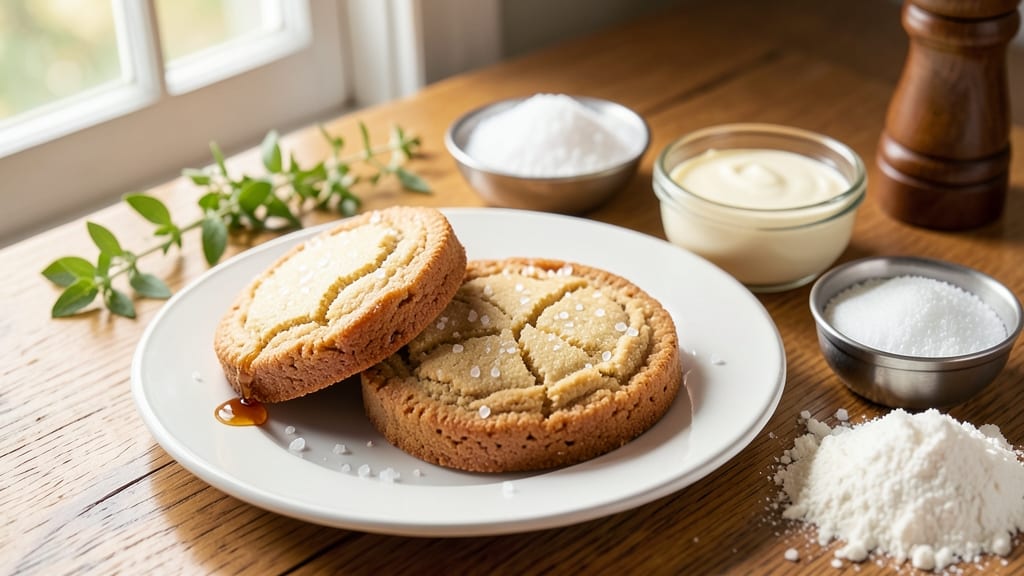
This shortbread cookie recipe is the one I’ve been perfecting for years—crispy edges that shatter with every bite, buttery layers that melt like silk, and a texture so perfect it’s earned its place in the "best in the world" title. 💛 The secret?
Cold butter, precise measurements, and a chilling step that makes all the difference. I remember the first time I nailed this recipe after burning three batches (don’t ask), and now it’s my go-to for holidays, gifts, or just because I need something that tastes like home.
What makes this recipe stand out is how simple it is—just five ingredients, no eggs, no fuss—but the technique is what turns good shortbread into exceptional shortbread. The butter needs to be cold (I swear by this), and the dough must rest before baking.
This isn’t just another cookie recipe; it’s a foolproof method that delivers restaurant-quality results every single time. And the best part? It’s beginner-friendly, so even if you’ve never baked shortbread before, you’ll end up with cookies that’ll have everyone asking for the recipe.
By the time you pull them from the oven, you’ll have golden, buttery cookies with edges that crackle and centers that stay tender. They’re sweet enough to satisfy but not so sweet they’re overwhelming—just the right balance of buttery richness and delicate crunch.
These aren’t just cookies; they’re the kind of treat that makes people slow down and savor every bite. Trust me, once you try them, you’ll never go back to store-bought.
Serve them warm with a cup of tea or coffee, or let them cool and pack them in a tin for gifts. The possibilities are endless, but the method? It’s simple, reliable, and always delivers. Let’s get baking—your taste buds will thank you.
Ingredients for best shortbread cookie recipe in the world
Five ingredients, one chilling step—this is the secret to world-class shortbread.
| Ingredient | Amount | Notes |
|---|---|---|
| Unsalted Butter, Cold 🧈 | 1 cup | Cut into cubes, no softening |
| All-Purpose Flour 🌾 | 2 cups | Sifted for light texture |
| Granulated Sugar 🍚 | ½ cup | White or light brown |
| Vanilla Extract 🌿 | 1 tsp | Pure, not imitation |
| Diamond Crystal Kosher Salt 🧂 | ½ tsp | Fine grain preferred |
| Granulated Sugar, for sprinkling 🍚 | ¼ cup | Extra-fine for even coating |
The butter is non-negotiable—cold cubes from the fridge create those signature flaky layers. European-style butter like Plugrá or Kerrygold has more fat content, but any good unsalted butter works. I always buy 2 pounds at a time from the grocery store's bakery section—they keep it colder than the regular dairy case. Pro tip: if your butter starts to soften while mixing, pop the bowl in the fridge for 10 minutes. And never, ever microwave it—we're going for cold, not warm, butter here!
No vanilla extract? Almond extract at half the amount works in a pinch, but trust me, vanilla is worth hunting down. The sugar can be swapped for light brown sugar if you want a caramel hint, but white keeps it classic. Flour? King Arthur or Bob's Red Mill are my go-tos—they're finely milled and give the best texture. If you're gluten-sensitive, swap for a 1:1 gluten-free flour blend, but expect slightly denser cookies. And that sprinkling sugar? Powdered sugar works too, but granulated gives that signature crunch.
This dough needs 30 minutes in the fridge—no cutting corners. The longer it rests, the better the texture. Wrap it tightly in plastic wrap to prevent drying. Once baked, let them cool on the pan for 10 minutes (they'll firm up), then transfer to a wire rack. Store in an airtight container for up to 5 days—they'll stay fresh, buttery, and perfect for gifting. Freeze for up to 3 months by wrapping individually in parchment.
Why You'll Love This Recipe
- No-Knead Magic: I swear by that cold butter—just cube it, pulse it with flour until it’s pea-sized, then fold in sugar like you’re tucking in a blanket. No mixer, no fuss, and zero stress.
- Buttery Bliss: That first bite? Pure vanilla-kissed richness with a texture so tender it practically melts. The salt? Just enough to make every crumb sing—like a hug from a buttery cloud.
- Gift-Worthy Always: Packaged in a tin or tied with ribbon, these disappear at holiday parties, teacher gifts, or just because. (Yes, even on a Tuesday night.) The same dough works for festive cutters or classic rounds—no extra effort.
- Pantry Goldmine: A single batch stretches for days—crisp at room temp, soft when warmed. And with just butter, sugar, and flour? This is my go-to when I’m broke but still want to feel fancy. (Budget win.)
Step-by-step instructions for buttery shortbread cookies that melt in your mouth
Here's how to make the most legendary shortbread cookies you've ever tasted—crispy outside, melt-in-your-mouth tender inside, with that signature buttery aroma.
👨🍳 Step 1: Cut and Chill the Butter for Perfect Texture
Take the 1 cup unsalted butter and cut it into ½-inch cubes—this is crucial for even baking. Place the butter cubes in a freezer-safe bowl and refrigerate for 30 minutes to ensure they stay cold throughout mixing. Cold butter creates those signature flaky layers and prevents the cookies from spreading too much.
While the butter chills, sift the 2 cups all-purpose flour into a medium bowl. This aerates the flour and prevents lumps in your dough. I always sift again after adding the dry ingredients to ensure a light, tender texture. Keep the bowl nearby—we'll need it in just a minute.
🍳 Step 2: Mix Wet Ingredients for Maximum Flavor
In a stand mixer fitted with the paddle attachment, combine the chilled butter cubes with the ½ cup granulated sugar, 1 teaspoon vanilla extract, and ½ teaspoon kosher salt. Mix on low speed for 1 minute until the butter starts to soften slightly but still has visible chunks. This creates pockets of fat that will melt during baking, creating that irresistible crumb.
Here's the thing—don't overmix. You want the butter to just start breaking down, not become fully incorporated. The dough should look like wet sand with some butter pieces still visible. This ensures those beautiful flaky layers when baked. If your kitchen gets warm, work quickly—warm butter means spread-out cookies.
🥘 Step 3: Combine Dry Ingredients for Light, Crispy Cookies
With the mixer still on low speed, gradually add the sifted flour. Mix just until the dough comes together—about 30-45 seconds. You'll know it's ready when the dough forms a shaggy mass that clumps together when pressed. Don't be tempted to overmix; this develops gluten and makes your cookies tough instead of tender.
Turn off the mixer and use a silicone spatula to gently press the dough together. It should hold its shape when pressed lightly but still feel slightly crumbly. If it's too dry, add 1 teaspoon cold water to help it come together. The dough should be cool to the touch—warm dough spreads too much in the oven.
🔪 Step 4: Shape and Chill the Dough for Clean Cuts
Divide the dough into 4 equal portions (about 4 ounces each) and flatten each into a ½-inch thick disk. Wrap each disk tightly in plastic wrap and refrigerate for at least 1 hour or up to 24 hours. This chilling step is non-negotiable—it firms up the dough so you get clean, crisp edges when you cut them.
I like to use parchment paper between the dough disks to prevent sticking. The longer you chill, the better—up to 24 hours actually improves flavor as the butter crystals form more uniformly. When you're ready to bake, let the dough sit at room temperature for 10 minutes before cutting to make it easier to handle.
🔥 Step 5: Cut and Bake for Perfectly Crisp Shortbread
Preheat your oven to 325°F—this lower temperature ensures even baking without browning too quickly. Line two baking sheets with parchment paper. Using a 2½-inch round cutter, cut shapes from one chilled dough disk at a time, pressing straight down without twisting. Gather the scraps, re-press, and cut more shapes until you've used all the dough.
Place the cut cookies 1 inch apart on the prepared baking sheets. Sprinkle the tops with the ¼ cup granulated sugar for that signature crunchy coating. Bake for 18-22 minutes until the edges are just beginning to turn golden but the centers still look slightly pale. They'll firm up as they cool.
Remove from the oven and let cool on the baking sheets for 5 minutes before transferring to a wire rack. The cookies will continue to crisp up as they cool. For maximum flavor, serve warm with tea or coffee—each bite should deliver that perfect balance of buttery richness, crisp texture, and melt-in-your-mouth tenderness.
Pro Tips For Making Best Shortbread Cookie Recipe In The World
- Use a Food Scale: I learned this the hard way—measuring butter by cups leads to inconsistent batches. Weigh your butter (and sugar) in grams for precision, especially since this recipe hinges on the perfect butter-to-flour ratio. A 100g block of cold butter is your golden ticket to crisp edges and tender crumb.
- Cut Butter in Small Bites: Skip the big chunks—break your cold butter into ½-inch cubes before mixing. This creates more surface area for the flour to coat evenly, preventing greasy pockets that turn your shortbread into a sad, dense brick. (Yes, even if you’re impatient like me.)
- Press Dough Once, Firmly: Don’t half-heartedly pat the dough into the pan—press it down with steady pressure until the edges meet. A well-compressed base prevents cracking during baking, and the cookies will hold their shape instead of spreading like a lazy Sunday morning. Think of it as giving your dough a good handshake.
- Bake Until Golden, Not Just Set: Pull them out when the edges are just turning golden, not when they look "done" in the middle. Shortbread continues cooking as it cools, and overbaking turns them into dry hockey pucks. Aim for 160°F internal temp if your oven’s finicky—this guarantees melt-in-your-mouth texture every time.
Troubleshooting great best shortbread cookie recipe in the world
Butter Too Soft?
If your butter starts to soften while mixing, immediately stop and place the bowl in the fridge for 10-15 minutes to re-firm it. I’ve ruined more batches than I’ll admit by ignoring this step—warm butter spreads like crazy, giving you flat, sad cookies instead of those glorious crisp edges.
Use European-style butter like Plugrá if your kitchen runs warm, as it has a higher fat content that stays cold longer. 🧈
Cookies Spread Too Much?
This usually means your butter wasn’t cold enough or your oven was too hot. First, double-check your oven temperature with an oven thermometer—many home ovens run 25°F hotter than set. If your dough feels too warm, pop it back in the fridge for 20 minutes before cutting.
Also, make sure your baking sheets are cool before adding dough—warm metal conducts heat and causes spreading.
Dough Too Crumbly?
If your dough falls apart when handling, you likely overmixed it or your flour wasn’t sifted properly. Try adding 1 teaspoon cold water at a time while gently pressing the dough together with your hands.
For extra insurance, chill the dough for 30 additional minutes after the initial hour. I’ve found that King Arthur flour binds better than some store brands if you’re experiencing this issue.
Cookies Too Pale?
Shortbread should have golden edges but still look slightly pale in the center when done. If yours come out completely white, they’re underbaked. Extend baking time by 2-3 minutes and check again—just until the edges start to turn golden.
Overbaking makes them dry, so resist the urge to bake longer if they’re already golden. Let them cool completely before tasting to judge doneness accurately.
Uneven Baking?
If your cookies bake unevenly (some edges brown while others stay pale), rotate your baking sheets halfway through baking. Also, avoid overcrowding—leave 1 inch between cookies for proper air circulation.
I’ve found that dark-colored baking sheets absorb more heat, so if you’re using one, reduce oven temperature by 25°F to compensate. For even baking, use light-colored or parchment-lined sheets.
Dough Sticking to Cutter?
This happens when the dough isn’t chilled enough or your cutter is dirty. First, make sure your dough has rested for the full 1 hour in the fridge. If it’s still sticking, dip your cutter in cold water and wipe dry before pressing down—this creates a clean release.
For stubborn dough, dust your work surface with extra flour** and press the dough through a floured ring mold instead of using a cutter.
Nutrition facts
Frequently asked questions
Why does this shortbread recipe need cold butter?
The cold butter creates those signature flaky layers that make this recipe exceptional. When baked, the cold fat melts slowly, creating pockets of air that give shortbread its signature crisp edges and tender crumb. Warm butter would spread too much, resulting in flat cookies instead of the perfect golden rounds. Think of it like building layers in a lasagna—each piece of cold butter becomes a delicate barrier that shatters beautifully.
Can I make these cookies without a stand mixer?
You can mix the dough by hand using a pastry cutter or two forks. Work quickly to keep the butter cold—cut the butter into the flour with a fork or your fingers until you get a crumbly texture, then press it together gently. The key is to handle the dough as little as possible to avoid developing gluten, which would make the cookies tough. A wooden spoon works too if you're feeling old-school!
How do I store these shortbread cookies?
Keep them fresh in an airtight container at room temperature for up to 5 days. For longer storage, freeze the baked cookies (still in their parchment-lined pan) for up to 3 months. When you're ready to enjoy them, let them sit at room temperature for 10-15 minutes to restore that perfect crunch. The cookies actually improve slightly after 24 hours as the flavors meld together. Perfect for making ahead for holidays!
What shapes can I cut these shortbread cookies into?
While the classic round cutter works best, you can get creative! Try holiday shapes like stars or trees, or use a knife to cut rectangles for elegant tea sandwiches. For rustic appeal, use a fork to create scalloped edges. Just make sure your cutter or knife is very sharp and chilled—this prevents sticking and gives clean edges. The dough is firm enough to hold intricate shapes after proper chilling.
Can I add flavor variations to this recipe?
Yes! For citrus lovers, add 1 teaspoon lemon or orange zest to the dough. For a spiced version, swap the vanilla for ½ teaspoon cinnamon or cardamom. Chocolate lovers can press mini chocolate chips into the tops before baking. Just remember—these are delicate cookies, so don't overpower the buttery flavor. A little goes a long way!