
Desserts
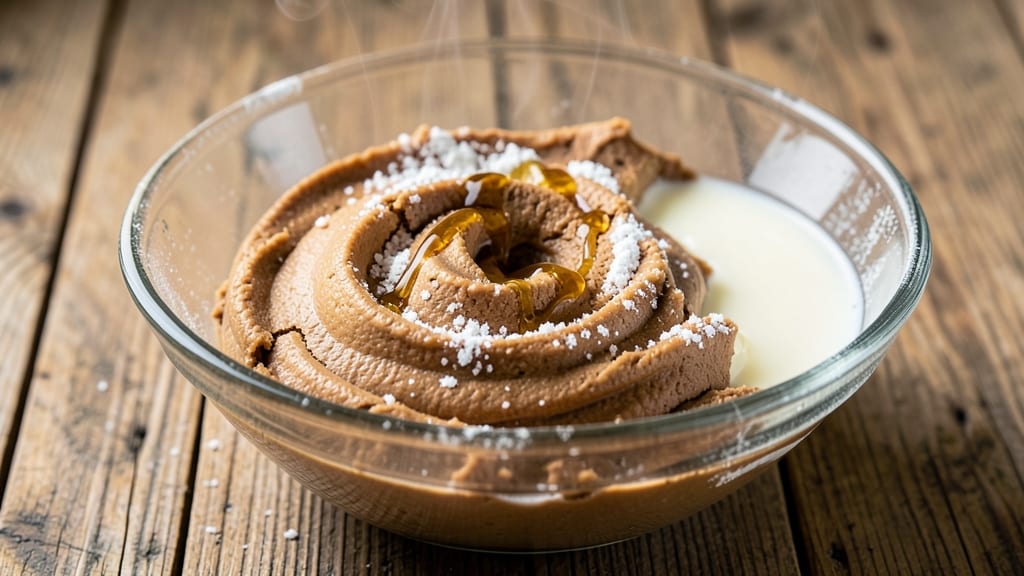
This basic vanilla cookie dough recipe delivers the perfect balance of sweet, buttery, and vanilla-rich flavor without requiring an oven—just mix and enjoy. ✨ The secret lies in the right ratio of butter, sugar, and vanilla extract, creating a soft, spreadable dough that’s irresistible straight from the bowl or baked into cookies.
What makes this recipe stand out is its no-bake, eggless approach, making it safe for kids to help with and perfect for those who prefer raw dough. The texture is soft yet sturdy, with just enough structure to hold its shape when scooped or rolled.
The classic vanilla flavor shines through without overpowering, thanks to a precise blend of ingredients.
With just 6 simple ingredients, you’ll have cookie dough ready in under 15 minutes—no eggs, no baking, and no waiting. The dough stays fresh in the fridge for up to a week, so you can enjoy it whenever the craving strikes.
Whether you eat it raw, bake it into cookies, or freeze it for later, this recipe is a game-changer for quick, delicious treats.
For extra indulgence, fold in chocolate chips or nuts, but the classic version is already rich enough to satisfy any cookie craving. Let’s get mixing!
Ingredients for basic vanilla cookie dough
Six simple pantry staples transform into magical no-bake cookie dough in minutes.
| Ingredient | Amount | Notes |
|---|---|---|
| Unsalted Butter 🧈 | ½ cup | Softened but not melted |
| Granulated Sugar 🍚 | ½ cup | White or light brown |
| Pure Vanilla Extract 🌿 | 1 tbsp | High-quality, not imitation |
| All-Purpose Flour 🌾 | 1 cup | Sifted for smooth texture |
| Salt 🧂 | ¼ tsp | Fine sea salt preferred |
| Milk 🥛 | 2 tbsp | Any kind, room temperature |
The butter is the star here—use unsalted so you control the saltiness. Butter Boy or Land O'Lakes are reliable brands, but any good-quality unsalted works. Don't melt it! Softened (but still cool to touch) gives you that perfect spreadable texture. The vanilla extract? Nothing fake here—look for pure vanilla on the bottle. If you're feeling fancy, grab a small bottle of Madagascar Bourbon vanilla from the baking aisle. The flour should be all-purpose, but if you've only got bread flour, it'll work too—just expect a slightly chewier dough. And yes, you can use that 1/4 tsp of salt even if the recipe says 1/8—trust me, it won't overpower.
No milk? Cream or even yogurt works in a pinch, but milk keeps it light and tender. Want to make it nut-free? Swap the milk for oat milk or coconut milk. The sugar can be brown if you prefer a caramel note—just reduce the vanilla to 1/2 tbsp to balance. No vanilla extract? Vanilla sugar or vanilla bean paste are great alternatives (use 1 tsp vanilla sugar or scrape 1 vanilla bean). The dough gets better as it chills, so if you're in a rush, pop it in the fridge for 15 minutes before scooping. And if you're worried about raw flour? Toast the flour first in a dry pan for 2 minutes to kill any bacteria—no one will notice the difference.
This dough keeps beautifully in the fridge for 5-7 days, wrapped tight in plastic or in an airtight container. For longer storage, freeze portions in 1-ball sizes—they thaw perfectly in 10 minutes. I always make a double batch because it disappears fast. The dough thickens as it chills, so if it feels too soft after mixing, just pop it back in the fridge for 20 minutes. And if you're feeling extra, fold in chocolate chips or crushed Oreos—the possibilities are endless, but the classic version is already irresistible.
Why You'll Love This Recipe
- Five-Ingredient Magic: I swear by this list—just butter, sugar, vanilla, flour, and salt. That’s it. No weird substitutions or hidden pantry raids. The simplicity means I never overthink it, and the dough always turns out right.
- Butter-Sugar Bliss: The creamy richness of softened butter mixed with sugar? It’s the kind of dough that melts in your mouth before you even bake it. Honestly, I’ve tried fancy doughs, but this classic combo is foolproof—no burnt edges or dry centers here.
- Freezer-Friendly Forever: Make a batch on Sunday, freeze it, and pull it out whenever cravings hit. No thawing needed—just scoop, bake, and enjoy. My kids call it “instant cookie day,” and I’m not correcting them.
- Budget Baking Win: You’re using pantry staples here—no specialty ingredients or overpriced add-ins. A single batch costs me less than $3, and the flavor? Still crave-worthy. That’s the kind of deal that makes me smile.
Step-by-step instructions for no-bake vanilla cookie dough
Here's how to make this dreamy, egg-free dough that's ready in minutes.
👨🍳 Step 1: Cream Butter and Sugar Together
In a medium mixing bowl, combine the 0.5 cup unsalted butter and 0.5 cup granulated sugar. Use a hand mixer or wooden spoon to beat them together on medium speed for 1-2 minutes until smooth and fluffy. You're looking for a light, airy texture that nearly doubles in volume. This step is crucial because it creates the perfect base for that tender cookie dough consistency.
I like to press the butter down with the spoon a couple times during mixing to ensure it's fully incorporated. The mixture should be completely smooth with no visible butter lumps. If you're using a hand mixer, scrape down the sides of the bowl every 30 seconds to make sure everything gets evenly combined.
👨🍳 Step 2: Add Vanilla and Milk
Once the butter and sugar are fully combined, stir in the 1 tablespoon pure vanilla extract and the 2 tablespoons milk. Mix well until everything is fully incorporated. The vanilla will add that signature flavor, while the milk helps bind everything together and creates that perfect cookie dough texture. You'll notice the mixture will become slightly thinner as you add these ingredients.
This is where it gets fun—the dough should start to come together into a soft, pliable mass. If it looks too dry, add another 1 teaspoon of milk to help everything stick together. The dough should be soft enough to roll into balls but not so sticky you can't handle it easily. If it's too sticky, you can chill it for 10-15 minutes to firm it up.
👨🍳 Step 3: Mix in Dry Ingredients
In a separate bowl, whisk together the 1 cup all-purpose flour and 0.25 teaspoon salt. Sift the flour if you can—this helps prevent lumps and gives you a smoother texture. Gradually add the flour mixture to the butter mixture, stirring constantly with a wooden spoon or rubber spatula. You want to mix just until everything comes together—don't overmix or the dough will become tough.
Here's the thing—you'll want to stop mixing as soon as the dough starts to come together into a cohesive mass. It should look shaggy but hold its shape when pressed. If it's still too crumbly, add another 1 teaspoon of milk to help it bind. The dough should be soft, pliable, and easy to roll into balls without sticking to your fingers.
⏰ Step 4: Chill and Enjoy
Once the dough is fully combined, transfer it to an airtight container or wrap it tightly in plastic wrap. Chill in the refrigerator for at least 30 minutes (or up to 24 hours) before serving. This chilling step is important because it firms up the dough and makes it easier to handle. Plus, the flavors have time to meld together, giving you that perfect vanilla cookie dough taste.
When you're ready to eat, simply scoop out 1-tablespoon portions and enjoy straight from the fridge! The dough should be soft, sweet, and packed with that classic vanilla flavor. You can also roll it into balls and bake at 350°F for 10-12 minutes if you prefer actual cookies. Either way, this no-bake dough is a game-changer for anyone who loves cookie dough but wants to skip the baking.
Pro Tips For Making Basic Vanilla Cookie Dough
- Use Cold Butter: I learned this the hard way—soft or melted butter makes the dough greasy and spreads too much. Cut the butter into ½-inch cubes, then chill the dough for 30 minutes before rolling. Yes, even if you're impatient like me, the cookies will hold their shape and taste richer.
- Measure Flour Right: Scooping flour from the bag packs it too tightly, and that means dense, dry cookies. Spoon the flour into a measuring cup, then level it off with a knife. I skip this step sometimes, and the dough always feels off—too stiff or too crumbly.
- Don’t Overmix the Dough: Mix just until the flour disappears—any more, and you’ll develop the gluten, turning your soft cookies into tough, chewy bricks. My grandmother swore by this, and she was right: stop when the dough looks shaggy, not smooth.
- Add Vanilla Last: Sounds weird, but it works: fold the vanilla extract into the butter-sugar mix right before adding the flour. This keeps the flavor bright and prevents the alcohol in the vanilla from evaporating too early. I was skeptical until I tried it—now I never skip it.
Storing and reheating this recipe
Fridge Storage Tips
Store your freshly made cookie dough in an airtight container or tightly wrapped in plastic wrap to keep it fresh for up to 5-7 days. I like using glass containers with snap-on lids—they're easy to grab and keep the dough from absorbing fridge odors.
Before sealing, press the dough flat to minimize air pockets, which helps prevent drying. 🧊
If your dough feels too soft after mixing, don't worry—it firms up beautifully as it chills. For best results, let it sit at room temperature for 10-15 minutes before refrigerating. This short rest prevents condensation from forming in the container, which can make the dough soggy.
Freezing for Later
For longer storage, freeze portions in 1-tablespoon balls on a parchment-lined tray before transferring to a freezer bag. This prevents freezer burn and makes it easy to grab just what you need. Label the bag with the date—frozen dough keeps for up to 3 months without losing quality. 🥶
To thaw, simply pop the frozen dough balls into the fridge overnight or microwave them for 10-15 seconds on low power. I find the microwave method works best for quick treats—just watch closely to avoid melting the butter!
Reheating Raw Dough
If your dough has been in the fridge too long and feels dry, revive it by mixing in 1 teaspoon of milk or 1 tablespoon of softened butter.
The dough should become pliable again within 5 minutes. For extra richness, add a pinch of vanilla sugar while reheating. 🔥
Never microwave raw dough directly—it can cause uneven heating and make the butter separate. Instead, use the stovetop method: Place a small portion in a bowl over low heat with a splash of milk, stirring constantly until warmed through. This gentle approach preserves the texture perfectly.
Baked Cookie Storage
If you bake your dough into cookies, store them in a single layer on a wire rack to cool completely before stacking. Once cooled, transfer to an airtight container with parchment paper between layers to prevent sticking.
Baked cookies stay fresh for 5 days at room temperature or 3 months in the freezer. ✨
For reheating baked cookies, the oven method works best: Warm at 300°F for 3-5 minutes until fragrant. Avoid the microwave—it makes cookies rubbery. I also love toasting cookies in a dry skillet over medium heat for a crispy exterior while keeping the inside soft.
Nutrition facts
Frequently asked questions
Can I make this cookie dough without milk?
Yes! Swap the milk for 2 tablespoons of melted butter or 2 tablespoons of heavy cream to maintain moisture. If you're dairy-free, use 2 tablespoons of coconut milk or 2 tablespoons of oat milk—just add it gradually to avoid a crumbly texture. The dough may be slightly less tender, but it'll still taste delicious!
Why does my dough taste bland?
Bland flavor usually means the vanilla isn't strong enough. Double-check you're using pure vanilla extract (not imitation) and try adding 1/2 teaspoon of vanilla bean paste or scraping seeds from a vanilla bean into the dough. Also, ensure your butter isn't melted—it should be soft but cool to touch for maximum flavor.
How do I make this dough nut-free?
This recipe is already nut-free! Just skip any add-ins like chopped nuts or cookie crumbles. For extra texture, fold in 1/2 cup mini chocolate chips or 1/4 cup crushed Oreos (ensure they're nut-free). Always check labels on mix-ins to avoid cross-contamination. The dough remains perfectly safe and delicious without nuts.
Can I bake this dough into cookies?
Roll the chilled dough into 1-inch balls and place them on a parchment-lined baking sheet, spaced 2 inches apart. Bake at 350°F for 10-12 minutes until edges are golden. Let cool for 5 minutes before transferring—they'll be soft but firm up as they cool. For chewier cookies, slightly flatten the balls before baking.
What if my dough is too sticky?
Sticky dough happens when the flour absorbs too much moisture. Chill the dough for 15-20 minutes to firm it up, then add 1-2 tablespoons of extra flour (1 tablespoon at a time) until it's pliable but not crumbly. If it's still too soft, refrigerate for another 10 minutes. Avoid overchilling—just enough to handle comfortably.