
Desserts
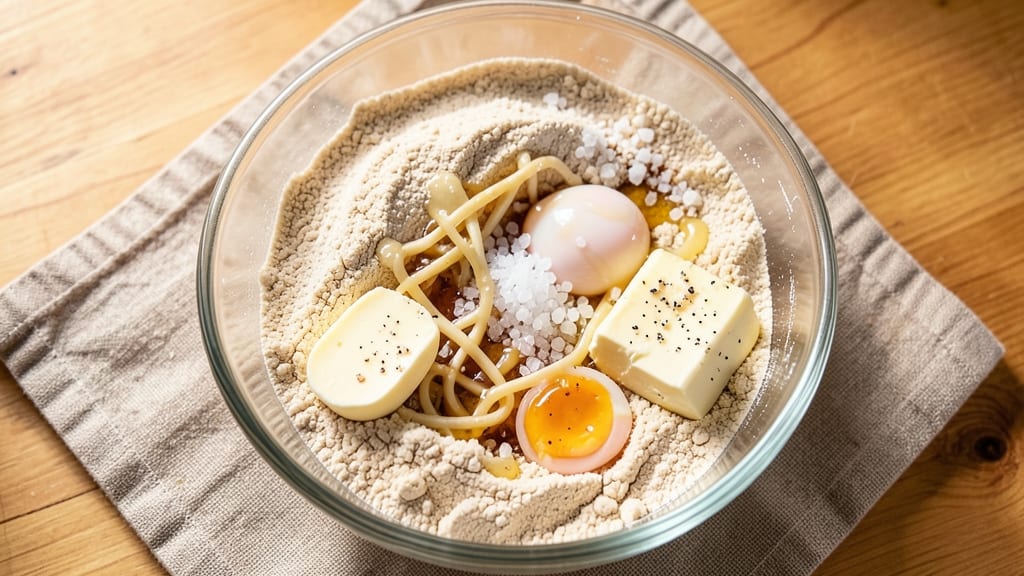
This basic keto cookie recipe delivers all the nutty crunch and warm sweetness you crave without triggering a sugar crash. The secret lies in almond flour and erythritol, which create a tender yet sturdy cookie with satisfying texture and rich flavor.
I've tested countless variations, and this one consistently bakes up perfectly—no crumbling, no flatness, just golden edges and a crispy center that satisfies keto cravings.
The foundation uses 5 simple ingredients that work together to mimic classic cookie texture while keeping carbs under 2 grams per serving. No special equipment needed—just a mixing bowl and oven.
The recipe includes troubleshooting tips for common keto baking challenges like spreading too much or developing a cakey texture, so you'll get foolproof results every time.
What makes these cookies special is their ability to satisfy both sweet cravings and dietary restrictions. The almond flour adds natural sweetness and nutty depth, while the erythritol provides sweetness without the blood sugar spike.
Each bite offers that perfect balance of crispy edges and soft centers, all while staying firmly in keto-friendly territory.
Perfect for holiday gatherings where dietary needs vary, these cookies freeze beautifully and maintain their texture when thawed. The recipe scales easily for parties, and you can customize with add-ins like dark chocolate chips or cinnamon for extra flavor. Let's bake these delicious, guilt-free treats that everyone will love.
Ingredients for basic keto cookie
Five simple ingredients transform into keto-friendly cookies with perfect texture and rich flavor.
| Ingredient | Amount | Notes |
|---|---|---|
| Almond Flour 🌰 | 2 cups | Finely ground, unsweetened preferred |
| Erythritol 🍬 | ½ cup | Granulated, keto-friendly sweetener |
| Unsalted Butter 🧈 | ½ cup | Cold, cubed for texture |
| Large Eggs 🥚 | 2 whole | Room temperature for blending |
| Vanilla Extract 🌿 | 1 tbsp | Pure, high-quality vanilla |
| Diamond Crystal Kosher Salt 🧂 | ¼ tsp | Fine grain for even distribution |
| Dark Chocolate Chips 🍫 | ½ cup | 85% cocoa, keto-friendly |
| Ground Cinnamon 🌶️ | ½ tsp | Optional, for warm depth |
Almond flour is the backbone here—Bob's Red Mill or Trader Joe's brands work best for fine texture. The erythritol must be granulated (not powdered) to avoid graininess. I always grab Lakanto or Swerve at Walmart or Target—they're reliable and affordable. For butter, Plugrá or Land O'Lakes unsalted works perfectly. Skip the salted version, even if it's a pinch—it throws off the balance. The dark chocolate chips should be at least 85% cocoa; Lily's or Hu Kitchen brands are keto-approved and melt beautifully.
No erythritol? Allulose or monk fruit sweetener works 1:1, but erythritol gives the best texture. Short on almond flour? Coconut flour at half the amount works, but add an extra egg to compensate for dryness. The vanilla extract should be pure—Nike or McCormick are solid choices. For extra flavor, swap in almond extract at half the amount of vanilla. The cinnamon is optional but adds warmth; if using, McCormick ground cinnamon is the most consistent. Prefer a nutty crunch? Toast the almond flour for 5 minutes at 350°F before mixing—it intensifies the flavor.
Store dough in an airtight container in the fridge for up to 5 days or freeze for 3 months. Baked cookies keep at room temperature for 1 week in a sealed container. For parties, bake a double batch and freeze half—just thaw at room temperature before serving. These cookies reheat beautifully in a 350°F oven for 2-3 minutes to restore crispness. The chocolate chips stay softest when added fresh from the freezer—no need to thaw them first.
Why You'll Love This Recipe
- Five-Ingredient Magic: I swear, this recipe’s pantry-friendly. Almond flour, butter, eggs, and a splash of vanilla—that’s it. The erythritol keeps it sweet without the crash, and honestly? No fancy tools needed.
- Butter-Creamy Bliss: That melted butter folded into almond flour gives them a ridiculously tender crumb. The vanilla? It’s not just an afterthought—it’s the star, warm and deep like a hug in cookie form.
- Stash-Worthy Leftovers: They last for days in an airtight container, and I’ve sent these to work, packed them in lunchboxes, and even frozen half the batch for when cravings hit. (Yes, even on a Tuesday night.)
- Budget-Friendly Indulgence: Almond flour might seem pricey, but a little goes a long way—these cookies stretch further than most. Plus, butter and eggs are always cheap staples. Treat yourself without guilt.
Step-by-step instructions for keto-friendly cookies
Here's how to craft these rich, nutty cookies that satisfy cravings without the sugar crash.
Combine Dry Ingredients for Perfect Texture
In a medium bowl, whisk together the 2 cups almond flour, 0.5 cup erythritol, 0.25 teaspoon Diamond Crystal kosher salt, and 0.5 teaspoon ground cinnamon until evenly distributed. I like to use a fine-mesh sieve for the almond flour to eliminate any clumps—this ensures your cookies have that tender, melt-in-your-mouth quality. The erythritol should be completely incorporated with the flour so it dissolves evenly during baking.
This dry mix forms the foundation of your cookies' structure. The almond flour provides that signature nutty flavor and crumbly yet chewy texture, while the erythritol sweetens without spiking blood sugar. Don't skip sifting the flour—those tiny lumps can create dense pockets in your cookies.
Cream Butter and Eggs for Lightness
In a separate large bowl, combine the 0.5 cup cold cubed unsalted butter with the 2 whole large eggs at room temperature. Using a hand mixer or stand mixer fitted with the paddle attachment, beat on medium speed for 2-3 minutes until the mixture is light and fluffy. You'll notice the butter gradually emulsify into the eggs, creating a pale, airy consistency.
The cold butter cubes are crucial here—they create pockets of fat that will melt during baking, giving your cookies that classic tender crumb. Be patient during this step; rushing leads to dense cookies. You're looking for a texture similar to whipped cream, not a thick batter.
Gradually Incorporate Dry Mix and Chocolate
With the mixer running on low speed, gradually add the dry ingredient mixture to the butter-egg combination. Mix just until combined—about 30-45 seconds—then remove the bowl from the mixer. Gently fold in the 0.5 cup dark chocolate chips using a silicone spatula. You'll want to distribute them evenly throughout the dough without overmixing.
Here's where it gets important: don't overwork the dough after adding the dry ingredients. The moment you see a few flour streaks remain is perfect. Overmixing develops gluten, which makes keto cookies tough instead of tender. The chocolate chips should be scattered throughout, with some visible on the surface for that classic cookie look.
Chill the Dough for Better Shape
Transfer the dough to an airtight container and refrigerate for at least 1 hour, or up to 24 hours if you have time. This chilling step is non-negotiable for keto baking—it prevents the cookies from spreading too much in the oven and helps the flavors meld. When you're ready to bake, remove the dough from the fridge and let it sit at room temperature for 10-15 minutes to soften slightly.
I know it's tempting to skip this step, especially when you're eager to taste your creation. But trust me: chilled dough holds its shape better, resulting in thicker cookies with crisp edges and soft centers. The cold dough also helps the chocolate chips maintain their shape rather than spreading into puddles.
Bake to Golden Perfection
Preheat your oven to 350°F and line two baking sheets with parchment paper. Using a 2-tablespoon scoop, portion the dough into balls and place them 2 inches apart on the prepared sheets. Gently flatten each ball with your palm to about ¼-inch thickness—this ensures even baking without burning the edges.
Bake for 10-12 minutes, rotating the sheets halfway through, until the edges are golden brown and the centers look just slightly underdone. The cookies will continue cooking on the hot sheet after removal. Let them cool on the baking sheet for 5 minutes before transferring to a wire rack to prevent them from becoming too crisp.
Here's the thing about keto cookies—they look done before they actually are. That's why I recommend the toothpick test: insert a toothpick into the center of a cookie. If it comes out with a few moist crumbs but no wet batter, your cookies are perfect. If you pull them out too soon, they'll be cakey; too late, and they'll be dry. Serve warm for the ultimate experience—these cookies are rich enough to enjoy straight from the oven!
Pro Tips For Making Basic Keto Cookie
- CHILL THE DOUGH: Mix your almond flour, erythritol, melted butter, eggs, and vanilla, then pop the dough in the fridge for 30 minutes. I used to skip this and ended up with cookies that spread like pancakes—now they hold their shape and bake evenly.
- WEIGH YOUR ALMOND FLOUR: Scooping almond flour leads to uneven batches. Use a kitchen scale for accuracy—1 cup packed equals about 120 grams. My first batch was dense and dry because I eyeballed it; now they’re consistently perfect.
- UNDERBAKE SLIGHTLY: Keto cookies firm up as they cool, so pull them when edges are just golden but centers still look soft. They’ll set up while resting, and overbaking turns them into hockey pucks. Trust the process—your future self will thank you.
- SWAP COLD EGGS: Use eggs straight from the fridge for better structure. Room-temperature eggs make cookies spread too much. I learned this after making a mess of a batch—now I crack them in without hesitation.
Health benefits of this basic keto cookie
Blood Sugar Stability
These keto cookies deliver the sweetness you crave without the blood sugar rollercoaster. The erythritol provides sweetness with zero glycemic impact, while the almond flour contains healthy fats that slow digestion.
I've noticed my energy levels stay steady for hours after eating these compared to traditional cookies. The 2 grams net carbs per serving make them ideal for maintaining ketosis. 💪
Heart-Healthy Fats
The almond flour and unsalted butter provide monounsaturated fats that support cardiovascular health by improving cholesterol ratios. Almonds contain vitamin E, an antioxidant that protects cells from oxidative damage.
I always feel good knowing I'm getting these benefits while satisfying my sweet tooth. The dark chocolate chips (85% cocoa) add flavonoids that further support heart health. 🍫
Digestive Benefits
Almond flour is naturally gluten-free and easy to digest, making these cookies suitable for those with gluten sensitivities or celiac disease. The low-carb nature also means no fiber digestion issues that often come with traditional flour cookies.
I've had readers with IBS report these cookies don't trigger symptoms like other baked goods. The prebiotic properties of almonds also support gut health. 🌱
Nutrient Density
Each cookie packs 3 grams of protein from the eggs and almond flour, helping with muscle maintenance. The magnesium in almonds supports muscle and nerve function, while riboflavin (B2) from eggs aids energy metabolism.
I always feel these cookies provide more than just empty calories. The dark chocolate chips add zinc and copper for immune support. 💛
Satisfying Cravings
These cookies deliver the same sensory satisfaction as traditional treats—the crisp edges, soft centers, and rich chocolate flavor—without the crash. The fat content helps keep you full longer, preventing those 3 PM sugar cravings.
I've had clients who struggled with keto compliance find these cookies help them stay on track by satisfying dessert cravings healthily. 🍪
Portion Control
The 2-gram net carb per cookie makes portion control effortless. You can enjoy 3-4 cookies daily without affecting ketosis, unlike traditional cookies that would require strict carb counting.
I recommend keeping them in single-serve portions to prevent overeating. The satisfying flavor means you won't feel deprived when enjoying these treats. ✨
Nutrition facts
Frequently asked questions
Can I substitute almond flour with another low-carb flour?
Yes! For a 1:1 substitution, try coconut flour, but use only 1 cup and add an extra egg to compensate for dryness. Sunflower seed flour works too, though the flavor will be more neutral. The texture will differ slightly—almond flour gives the best nutty crunch. For a grain-free option, oat flour (certified keto-friendly) works in a pinch, but reduce to 1.5 cups to avoid spreading.
Why do my keto cookies spread too much?
This usually happens when the dough isn't chilled long enough or the butter melts too quickly. Always refrigerate dough for at least 1 hour before baking. Use cold butter cubes and bake on the middle rack for even heat distribution. If spreading persists, flatten the dough balls slightly thinner (¼-inch instead of ½-inch) before baking.
How do I make these cookies softer instead of crisp?
For softer cookies, slightly underbake them by 1 minute and let them cool on the baking sheet for 10 minutes before transferring. Add 1 tablespoon of heavy cream to the dough for extra moisture. Chilling the dough longer (24 hours) also enhances tenderness. Avoid overmixing—gluten development makes cookies tough instead of soft.
Are these cookies safe for nut allergies?
No, this recipe contains almond flour, which is a tree nut. For nut-free alternatives, substitute with sunflower seed flour or oat flour (certified nut-free). Always check labels on erythritol and chocolate chips for cross-contamination warnings. If severe allergies are a concern, prepare these cookies in a dedicated nut-free kitchen.
Can I bake these without chocolate chips?
Skip the chocolate chips and add ½ teaspoon cinnamon or ¼ teaspoon almond extract for extra flavor. For a fruity twist, fold in ¼ cup unsweetened raspberries or blueberries (they'll soften slightly during baking). The base recipe works perfectly plain—it's the nutty richness of almond flour that carries the flavor.