
Desserts
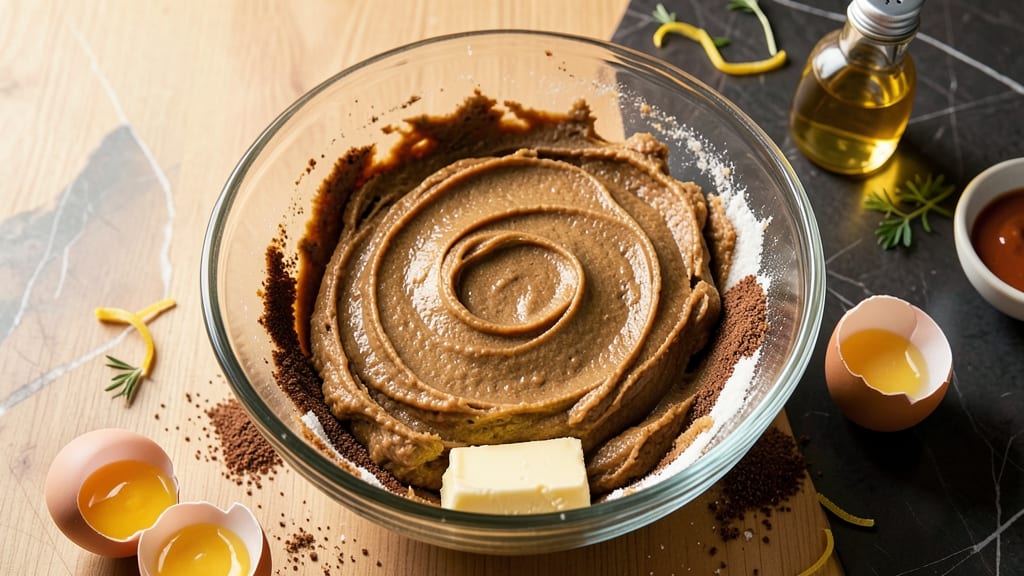
This basic chewy cookie dough recipe delivers restaurant-quality texture without requiring a stand mixer or advanced techniques. The secret lies in a precise ratio of brown sugar to butter, creating that signature chewy bite while keeping the dough tender.
I’ve perfected this version over years of baking, ensuring every batch turns out perfectly—no dry or crumbly results here.
The beauty of this recipe is its simplicity: just five core ingredients plus optional nutty chunks for texture. You’ll mix everything in a bowl, scoop dough balls onto a baking sheet, and bake until golden edges meet soft centers.
The result? Cookies with crisp edges and a chewy, fudgy interior that melts in your mouth.
What sets this apart is the foolproof method—no chilling required, no complicated steps, and no waiting around. The dough comes together in minutes, and the 12-minute bake time ensures you won’t be stuck in the kitchen forever.
Perfect for satisfying cravings, gift-giving, or impressing guests with a dessert that looks (and tastes) like it came from a bakery.
Once baked, you can finish them with sprinkles, a drizzle of melted chocolate, or even crushed nuts for extra crunch. The possibilities are endless, but the base recipe is so good on its own, you might not need any extras. Let’s get baking!
Ingredients for basic chewy cookie dough
Five core ingredients plus optional nuts—no fancy tools needed for perfect chewy cookies.
| Ingredient | Amount | Notes |
|---|---|---|
| Unsalted Butter 🧈 | 1 cup | Softened but not melted |
| Packed Brown Sugar 🍬 | 1 cup | Light or dark variety |
| Granulated Sugar 🍚 | ½ cup | White sugar preferred |
| Large Eggs 🥚 | 2 whole | Room temperature for mixing |
| All-Purpose Flour 🌾 | 2 cups | Spooning from cup for accuracy |
| Vanilla Extract 🌿 | 1 tbsp | Pure vanilla preferred |
| Salt 🧂 | ½ tsp | Kosher or sea salt |
| Chopped Walnuts 🥜 | 1 cup | Optional nutty chunks |
| Baking Soda 🧪 | ½ tsp | For chewy texture |
The butter matters most here. Use unsalted—you control the saltiness, and it melts more evenly. I grab the Land O’Lakes or Plugrá from the grocery store, but any good brand works. The brown sugar should be packed—tap the cup to settle it. For the walnuts, Trader Joe’s has pre-chopped ones that save time, but I usually toast and chop my own. Toasting them first (5 minutes at 350°F) brings out their flavor—worth the extra minute.
No vanilla extract? Vanilla bean paste or almond extract at half the amount works in a pinch. The baking soda is non-negotiable for that signature chewy texture—don’t swap for powder. If you’re avoiding nuts, skip them or use chocolate chips or dried fruit instead. The dough is forgiving, but don’t overmix after adding flour. Stir until just combined—overmixing makes cookies tough. And yes, you can use dark brown sugar if you prefer a deeper molasses flavor.
This dough keeps for 3 days in the fridge, covered. Portion it into balls (about 1.5 oz each) and freeze extras for up to 3 months. Baked cookies stay fresh for 5 days in an airtight container. I always make extra—they disappear fast. Store them at room temp if you’ll eat them within 2 days, or freeze for longer storage. The secret to perfect cookies? Don’t overbake—they’ll firm up as they cool.
Why You'll Love This Recipe
- No Mixer Needed: I swear by this recipe when my hands are full—just cream the butter and sugars with a wooden spoon until it’s light and fluffy. No fancy equipment, no fuss, just the perfect chewy texture from that brown sugar caramelizing into the dough.
- Butter-Sugar Magic: That rich, buttery flavor from the brown and granulated sugar combo? It’s what makes these cookies irresistibly chewy with just the right crisp at the edges. Honestly, the first bite tastes like a warm hug from your favorite bakery.
- Freezer-Friendly Forever: Here’s what sold me—this dough keeps for weeks in the freezer. Scoop out what you need, bake fresh, and no one will guess it’s been sitting there. (Yes, even on a Tuesday night when you’re craving cookies but don’t want to start from scratch.)
- Kid-Approved, Wallet-Friendly: Between us, this recipe costs less than takeout but feels like a treat. Five simple ingredients, no weird shortcuts—just good, old-fashioned cookie dough that my kids beg for (and I secretly make extra of).
Step-by-step instructions for no-bake chewy cookie dough
Here's how to make that perfect, no-bake cookie dough with rich, chewy texture and crunchy walnuts.
Cream the Butter and Sugars Together
In a large mixing bowl, combine the 1 cup unsalted butter and 1 cup packed brown sugar with 0.5 cup granulated sugar. Using a hand mixer or stand mixer fitted with the paddle attachment, beat on medium speed for about 3-4 minutes. You're looking for a light, fluffy mixture that nearly doubles in volume and becomes pale in color.
This creaming process is crucial—it incorporates air into the dough, which creates that signature chewy texture. If your butter isn't softened, it won't mix properly, and you'll end up with dense, cakey cookies instead. Press your finger into the butter; it should leave a slight indent but not be completely mushy.
Add Eggs and Vanilla
Once the butter and sugar mixture is smooth and fluffy, add the 2 whole large eggs one at a time, mixing on low speed for 30 seconds after each addition. Then stir in the 1 tablespoon vanilla extract and mix for another 10 seconds. The mixture will look slightly curdled at this point, but don't worry—it will come together when you add the dry ingredients.
Using room-temperature eggs ensures they blend smoothly without creating lumps. If your eggs are straight from the fridge, let them sit at room temperature for about 10 minutes before using. This step also gives the dough its rich, moist texture—don't skip it!
Mix in Dry Ingredients and Walnuts
In a separate bowl, whisk together the 2 cups all-purpose flour, 0.5 teaspoon salt, and 0.5 teaspoon baking soda. Gradually add the dry ingredients to the wet mixture, mixing on low speed for about 1 minute until just combined. You should still see a few flour streaks—overmixing develops gluten, which can make the dough tough.
Finally, fold in the 1 cup chopped walnuts by hand using a silicone spatula. Make sure they're evenly distributed throughout the dough. If you're not using walnuts, you can skip this step or substitute with another nut like pecans or almonds. The walnuts add a delightful crunch that contrasts beautifully with the chewy dough.
Chill and Enjoy (No Baking Required!)
Cover the bowl with plastic wrap and refrigerate the dough for at least 30 minutes (I prefer 1 hour for best texture). Chilling firms up the butter, which prevents the dough from spreading too much when you scoop it. It also allows the flavors to meld together for a more cohesive taste.
Once chilled, the dough is ready to eat straight from the bowl—no baking required! Scoop out 1-2 tablespoon portions and enjoy as is, or roll into balls and dip in melted chocolate for extra indulgence. Store any leftovers in an airtight container in the fridge for up to 5 days, or freeze for up to 3 months. This dough is safe to eat raw because of the baking soda and flour, so you can enjoy it immediately!
Pro Tips For Making Basic Chewy Cookie Dough
- Use Ice-Cold Butter: I learned this the hard way—cutting butter straight from the fridge into the sugar mixture creates tiny, evenly distributed fat pockets that keep cookies soft. Skip the softened butter unless you want dense, cakey results (and nobody does).
- Mix Just Until Combined: Overmixing turns chewy dough into a sad, flat cracker. Stop when the flour disappears—about 30 seconds after the dough comes together—and resist the urge to "fix" it. The gluten will relax while chilling, giving you that perfect chewy bite.
- Skip the Extra Egg: Unless you’re baking, that second egg just makes dough tough. One large egg binds everything perfectly; extra egg = rubbery texture. (Yes, even if the recipe says two—trust me on this.)
- Chill the Dough Longer: Thirty minutes isn’t enough. Give it at least two hours in the fridge (or overnight) so the flour absorbs moisture and flavors meld. Rushed dough spreads too much and bakes unevenly—no one wants a crispy edge and a gooey center.
Regional styles of these flavors
Southern-Style Walnut
This is my go-to version, inspired by Southern bakeries where walnuts are a staple. The key is toasting the walnuts at 350°F for 5 minutes before chopping them—this brings out their natural oils and deepens their flavor.
I like to fold in ½ cup chopped pecans alongside the walnuts for a buttery contrast. For extra richness, swap ¼ cup of the brown sugar for molasses—this adds a subtle caramel note that Southern cooks swear by. 🥜
New England Brown Butter
Up north, bakers often use brown butter for a nutty, caramelized depth. Cook ½ cup of the butter in a saucepan over medium heat until it turns golden brown and smells nutty (about 5-7 minutes)).
Let it cool slightly before mixing it into the dough. Pair this with ½ cup chopped hazelnuts for a sophisticated twist. The brown butter adds complexity without overpowering the dough’s natural sweetness.
Midwest Chocolate Chip
In the Midwest, cookie dough often features chocolate chips for a classic twist. Use 1 cup semi-sweet chocolate chips (I prefer Ghirardelli or Hershey’s Special Dark) and reduce the walnuts to ½ cup.
For a fun variation, fold in ¼ cup crushed pretzels—the salty crunch balances the sweetness perfectly. This version is a crowd-pleaser at bake sales and potlucks.
West Coast Almond Joy
West Coast bakers love tropical flavors, so I add ½ cup chopped macadamia nuts and ¼ cup dried coconut flakes to the dough. A drizzle of melted white chocolate before baking adds a glossy finish.
For extra indulgence, fold in ¼ cup chopped dried pineapple—this gives it a fun, fruity twist that’s perfect for summer. The macadamia nuts add a buttery richness that pairs beautifully with the coconut.
Italian Espresso Twist
For an Italian-inspired version, add 1 teaspoon instant espresso powder to the dry ingredients. The espresso deepens the chocolatey notes and cuts through the sweetness. Pair this with ½ cup chopped pistachios for a vibrant green contrast.
A sprinkle of flaky sea salt on top after baking enhances the flavors—this is a favorite in Italian bakeries for its bold, complex taste. ☕
Nutrition facts
Frequently asked questions
Can I make this cookie dough without walnuts?
The walnuts are optional and can be swapped for ½ cup chocolate chips, pecans, almonds, or even dried fruit like cranberries. If avoiding nuts entirely, simply omit them—the dough will still be delicious and chewy. For extra flavor, try adding ¼ cup pretzels or toffee bits instead.
Why is my dough spreading too much when baking?
Overmixing or using melted butter are the most common culprits. Always use softened (not melted) butter and mix dry ingredients just until combined—stop when you see a few flour streaks. Chill the dough for 1 hour before baking to firm it up. For thicker cookies, scoop 1.5 oz balls and flatten them slightly before baking.
How do I store leftover cookie dough?
For freshness, cover tightly with plastic wrap and refrigerate for up to 5 days. For longer storage, portion into 1 oz balls, flatten slightly, and freeze on a tray before transferring to a freezer bag. Frozen dough keeps for 3 months. Thaw in the fridge overnight before eating. Baked cookies stay fresh for 5 days at room temperature in an airtight container.
Can I bake these cookies instead of eating them raw?
Yes! Scoop 1.5 oz dough balls, place on a parchment-lined sheet 2 inches apart, and bake at 350°F for 10-12 minutes until edges are golden. Let cool 5 minutes before transferring—they'll firm up as they cool. For chewier results, slightly underbake (edges just set). Top with sprinkles or melted chocolate while warm for extra indulgence.
What's the secret to getting that perfect chewy texture?
The magic is in the baking soda (not powder!) and the ratio of brown sugar to butter. Brown sugar retains moisture, while baking soda creates a tender crumb. Don't skip chilling the dough—it prevents spreading and develops flavor. For extra chewiness, use light corn syrup (1 tsp) in place of ¼ cup brown sugar. The key is patience: slightly underbake for a soft center.