
Desserts
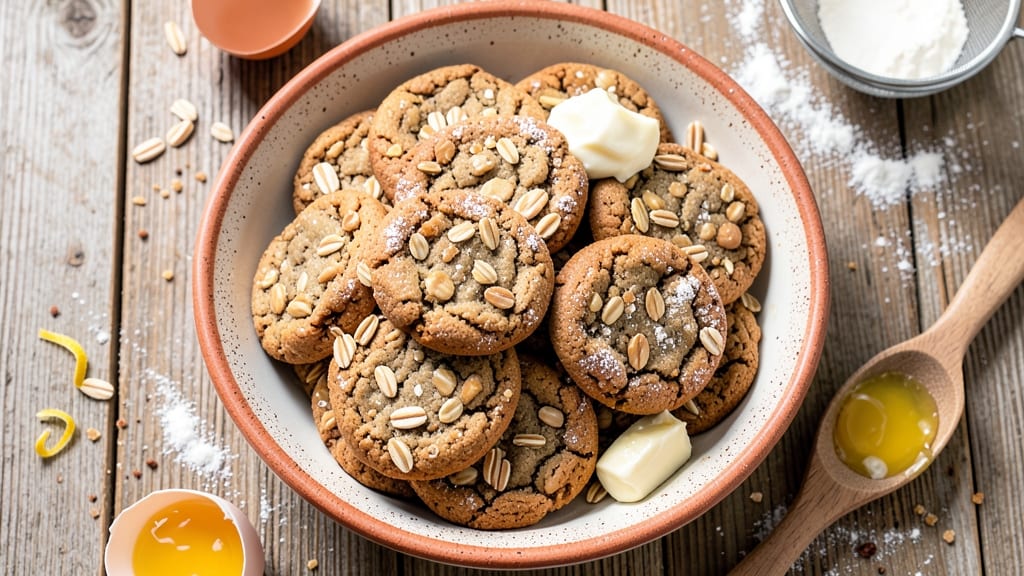
This awesome oatmeal cookie recipe delivers the perfect balance of chewy edges and caramelized chunks that make every bite irresistible. 🌟 After years of testing variations, I've perfected a method that transforms simple pantry staples into cookies with a satisfying texture and warm, spiced flavor profile.
The secret lies in the oatmeal-to-flour ratio and a touch of brown sugar for that signature caramelized depth.
What sets these cookies apart is their foolproof technique that ensures chewy edges without sacrificing a tender center. You'll start with a dough that's just soft enough to handle but firm enough to maintain shape, then bake at the right temperature to create that coveted texture contrast.
The addition of cinnamon and nutmeg adds warmth, while a pinch of salt balances the sweetness—trust me, these aren't your grandmother's oatmeal cookies.
By the time they emerge from the oven, you'll have golden-brown cookies with crisp edges that give way to a soft, caramelized interior studded with oatmeal chunks. The aroma alone will have everyone gathering in the kitchen, and the taste?
Pure comfort in every bite. These cookies stay fresh for days in an airtight container, making them perfect for baking ahead or sharing with neighbors.
The best part? This recipe is endlessly adaptable. Add chocolate chips for extra richness, fold in chopped nuts for crunch, or keep it classic with just the oatmeal and spices.
Whether you're baking for a holiday treat or a simple weeknight indulgence, these cookies deliver restaurant-quality results with minimal effort. Let's get started!
Ingredients for awesome oatmeal cookie
Pantry staples that transform into chewy, caramelized oatmeal cookies with crisp edges—worth every bite!
| Ingredient | Amount | Notes |
|---|---|---|
| All-Purpose Flour 🌾 | 3 cups | Sifted for lightness |
| Old-Fashioned Rolled Oats 🥣 | 2 cups | Uncooked, quick oats work too |
| Light Brown Sugar 🍯 | 1 ½ cups | Packed firmly for caramelized flavor |
| Unsalted Butter 🧈 | 1 cup | Cold and cubed for even baking |
| Large Eggs 🥚 | 2 whole | Room temperature for best mixing |
| Vanilla Extract 🌸 | 2 tsp | Pure extract for authentic flavor |
| Ground Cinnamon 🌿 | 1 ½ tsp | Freshly ground preferred |
| Ground Nutmeg 🌿 | ½ tsp | Freshly grated for warmth |
| Salt 🧂 | ½ tsp | Fine sea salt for balance |
| Chocolate Chips 🍫 | 1 ½ cups | Semi-sweet for classic flavor |
| Milk 🥛 | ½ cup | Whole milk for richness |
| Baking Soda 🧪 | 1 tsp | Ensures proper rise |
The oats are the star here—Quaker Old-Fashioned is my go-to, but any uncooked oats work. Brown sugar makes all the difference for that signature caramelized depth, so pack it firmly into the measuring cup. For butter, cold cubes create pockets of steam during baking, giving those coveted chewy edges. I always grab Land O'Lakes unsalted from the store—it's reliable and affordable. The chocolate chips? Hershey's Semi-Sweet is a classic, but Guittard has better quality if you're willing to splurge. Pro tip: Toast the oats in a dry pan for 5 minutes before mixing—they'll add a nutty depth to the flavor.
No brown sugar? White sugar plus 1 tbsp molasses gets you close. Short on chocolate chips? Chopped nuts like walnuts or pecans add texture. The vanilla extract is non-negotiable—imitation vanilla just won't cut it. For a nutty twist, swap half the milk for brewed coffee (cools completely first). The cinnamon and nutmeg are where the magic happens—measure carefully since too much can overpower. If you're baking at high altitude, add 1/4 tsp extra baking soda to prevent flat cookies. And trust me, room-temperature eggs mix in so much better than cold ones—just let them sit out for 30 minutes.
These cookies stay fresh for 5-6 days in an airtight container at room temperature, but they're even better the next day once the flavors meld. For longer storage, freeze the dough balls in a ziplock bag—bake straight from frozen, adding 2-3 extra minutes. The aroma alone will have your house smelling like a bakery. I always double the batch because they disappear fast. If you've got leftover dough, roll it into a log, wrap in parchment, and slice into cookie sandwiches—absolute game-changer for parties.
Why You'll Love This Recipe
- Here’s what sold me: the rolled oats stay just crispy at the edges while the center melts into that buttery, chewy perfection. The brown sugar caramelizes enough to give it a subtle depth, but it’s not too sweet—promise.
- I’ll be real: this recipe uses stuff I already have. Flour, oats, butter—no weird ingredients or last-minute grocery runs. Plus, they freeze like champs, so I make a batch and pull them out for snacks, gifts, or when I’m too tired to think. Zero waste, all win.
Step-by-step instructions for chewy oatmeal cookies
Here's how to bake the perfect batch with crispy edges and gooey centers every time!
👨🍳 Step 1: Mix Dry Ingredients for Perfect Texture
In a large bowl, whisk together the 3 cups all-purpose flour, 1.5 cups light brown sugar, 1.5 tsp ground cinnamon, 0.5 tsp ground nutmeg, 0.5 tsp salt, and 1 tsp baking soda. I sift the flour first to avoid lumps—this creates light, airy cookies. Use a whisk for 30 seconds until everything is evenly combined. The sugar should look like fine granules, not clumpy.
Here's the thing—don't skip sifting the flour. Those little pockets of air help the cookies rise properly, giving you that classic oatmeal cookie height. I like to press the sifted flour through my fingers to break up any remaining clumps before mixing.
🍳 Step 2: Cream Butter and Eggs for Maximum Flavor
In a separate bowl, combine the 1 cup cold cubed unsalted butter, 2 whole large eggs, 2 tsp vanilla extract, and 0.5 cup milk. Use a hand mixer on medium speed for 2-3 minutes until the mixture is light and fluffy. You'll see it nearly double in volume and turn pale yellow—this incorporates air that creates those beautiful crackly tops.
I always use cold butter for this step. The cold cubes melt slowly, creating tiny pockets of steam that help lift the cookies. If you use softened butter, you'll end up with denser cookies. Watch the mixture closely—it should be smooth but still hold peaks when you lift the beaters.
🥘 Step 3: Combine Wet and Dry Ingredients
Gradually add the dry ingredients to the wet mixture while mixing on low speed. Mix just until combined—you should still see some flour streaks. This prevents overmixing which makes cookies tough. Once incorporated, fold in the 2 cups old-fashioned rolled oats and 1.5 cups chocolate chips using a silicone spatula. Be gentle to avoid crushing the oats.
Real talk: don't overmix here. You want to preserve the texture of the oats and chocolate chips. I like to use a spatula to gently fold everything together just until the chocolate chips are evenly distributed. The dough should be thick but scoopable—if it's too sticky, add 1-2 tablespoons more flour.
⏰ Step 4: Chill the Dough for Perfect Shape
Cover the dough bowl with plastic wrap and refrigerate for at least 30 minutes (I prefer 1 hour). This chilling step is non-negotiable—it prevents the cookies from spreading too much in the oven. Cold dough also means better flavor development as the spices infuse more thoroughly.
I know it seems like too much, but trust me. The longer you chill, the better the cookies. If you're short on time, at least 20 minutes will help, but 1 hour gives you the best results. The dough should be firm but still pliable when you take it out—if it's too hard, let it sit at room temperature for 5 minutes before scooping.
🔥 Step 5: Bake to Golden Perfection
Preheat your oven to 375°F and line two baking sheets with parchment paper. Scoop the chilled dough into 2-tablespoon portions (about 1.5 inches in diameter) and place them 3 inches apart on the prepared sheets. I use a cookie scoop for uniform size—this ensures even baking.
Bake for 10-12 minutes until the edges are golden brown but the centers still look slightly underdone. They'll continue cooking on the hot pan after you remove them from the oven. Don't walk away—overbaking turns them dry. When they pull away from the parchment paper easily, they're done. Let them cool on the baking sheet for 5 minutes before transferring to a wire rack.
Pro Tips For Making Awesome Oatmeal Cookie
- TOAST THE OATS: I learned this the hard way—dry-toasting the oats in a skillet for 5-7 minutes until they’re golden and nutty makes a real difference. The flavor jumps from bland to chef’s kiss, and they won’t turn mushy when the cookies bake.
- CHILL THE DOUGH: Skip the urge to bake immediately—let the dough rest for at least 30 minutes (or overnight, if you’re patient). This lets the flour absorb moisture and the butter firm up, so your cookies hold their shape instead of spreading into sad pancakes.
- MEASURE BUTTER COLD: Use ice-cold butter straight from the fridge—no softening, no buttering it up. Cut it into chunks and let the dough mixer (or your hands) work it in; this keeps the cookies tender and prevents over-browning.
- PULSE THE OATS: Don’t just dump whole oats into the dough—pulse them in a food processor for 10-15 seconds. This breaks them into clusters that add texture without turning the cookies into a chewy brick. (Yes, even if you’re impatient like me.)
Troubleshooting this dish
Dough Too Sticky
If your dough feels too sticky to handle, don't panic—this happens when the humidity is high or you've overmixed. First, try adding 1 tablespoon flour at a time until the dough comes together without sticking to your fingers.
I've found that chilling the dough for an extra 15-20 minutes after the initial 30-minute rest often solves this issue by firming up the texture. For extra insurance, use a cookie scoop dipped in flour to portion the dough.
Cookies Spread Too Much
Excessive spreading usually means your dough wasn't chilled long enough or your butter was too soft. To fix this, always chill the dough for the full 1 hour recommended. If you're in a hurry, pop the dough balls in the freezer for 15 minutes before baking.
Also, make sure your oven is properly calibrated—use an oven thermometer to confirm it's at 375°F. I've learned the hard way that a slightly hotter oven causes faster spreading.
Cookies Too Dry or Cakey
Dry, cakey cookies often result from overbaking or using too much flour. Pull cookies from the oven as soon as the edges are golden brown—they'll continue cooking on the hot pan. For extra moisture, try adding 1 tablespoon milk to your dough if it feels too dry.
I've also had success replacing 2 tablespoons milk with 2 tablespoons sour cream for a richer texture. Underbaking slightly gives you more forgiving cookies that stay chewy.
Oatmeal Not Crunchy Enough
If your oatmeal chunks are soft instead of crunchy, it's likely because they absorbed too much moisture during mixing. Try toasting the oats in a dry pan for 5 minutes before adding them to the dough—this creates a protective barrier.
Also, fold the oats in last and mix just until combined to preserve their texture. For extra crunch, add 1 tablespoon cornstarch to the oats before mixing. I've found that using quick oats instead of old-fashioned gives a slightly different texture that some people prefer.
Cookies Burn on Bottom
Burned bottoms happen when your oven gets too hot or your baking sheets aren't properly preheated. Always use parchment paper on your baking sheets to prevent direct contact with the metal. Rotate your pans halfway through baking if your oven has hot spots.
I've also had success baking on the middle rack instead of the top—this gives more even heat distribution. For extra insurance, try baking on glass baking sheets which distribute heat more evenly than metal.
No Rise or Flat Cookies
Flat cookies usually mean your baking soda is old or your oven isn't hot enough. First, check your baking soda—it should fizz when mixed with vinegar. If it doesn't, replace it with fresh. Also, make sure your oven is properly calibrated using an oven thermometer.
For extra lift, try adding 1/4 teaspoon cream of tartar to your dough—it enhances the baking soda's leavening power. I've found that using light corn syrup (just 1 tablespoon) also helps create a better rise by retaining moisture during baking.
Nutrition facts
Frequently asked questions
Can I substitute quick oats for old-fashioned rolled oats?
Yes, you can use quick oats as a 1:1 substitute, but the texture will differ slightly. Quick oats create a softer, more uniform cookie, while old-fashioned rolled oats give that classic chewy bite with visible chunks. Toast the quick oats for 3-4 minutes in a dry pan first to mimic the texture better. For best results, stick with old-fashioned oats if you want that traditional oatmeal cookie experience.
How do I store these cookies to keep them fresh?
Store cookies in an airtight container at room temperature for up to 5-6 days. For longer storage, freeze the baked cookies in a single layer on a tray, then transfer to a freezer bag. They'll stay fresh for 3 months. To revive slightly stale cookies, warm them in the oven at 300°F for 3-5 minutes—they'll taste fresh again!
Why are my cookies spreading too much?
This usually happens when dough isn't chilled long enough or butter is too soft. Always chill dough for the full 1 hour before baking. If short on time, freeze dough balls for 15 minutes before baking. Also verify your oven is at 375°F using an oven thermometer—many ovens run hotter than set. Using cold butter cubes helps prevent excessive spreading too.
Can I make these cookies without chocolate chips?
Replace chocolate chips with 1.5 cups chopped nuts (walnuts or pecans work best) or 1 cup dried fruit (raisins or cranberries). For extra flavor, try 1/2 cup shredded coconut or 1/2 cup white chocolate chips. The recipe maintains its balance without chocolate—just adjust the sweetness if using very sweet add-ins like dried fruit.
What's the secret to getting chewy edges?
The chewy edges come from using cold butter cubes and baking at the right temperature. Cold butter creates steam pockets that set the edges while keeping centers soft. Bake at 375°F for 10-12 minutes until edges are golden but centers still look slightly underdone. Pull them out when they're 80% done—they'll finish cooking on the hot pan!