
Desserts
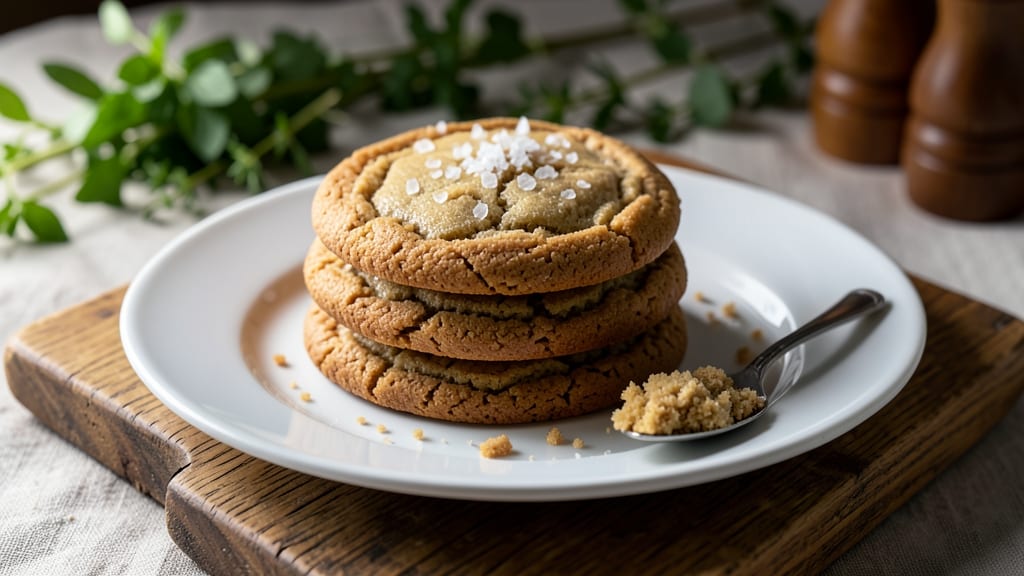
This Argo cornstarch shortbread cookie recipe delivers the perfect balance of crispy edges and melt-in-your-mouth tenderness—no one will believe it's homemade. The secret lies in Argo cornstarch, which creates that signature delicate crunch while keeping the centers rich and buttery.
After years of testing, this method consistently produces cookies that bake up golden and shatter when broken, with a texture that's both satisfying and elegant.
What sets these apart is the technique: chilling the dough thoroughly ensures clean cuts and even baking, while the cornstarch creates that signature crispness that distinguishes shortbread from other cookies.
The recipe uses simple ingredients—just butter, sugar, flour, and cornstarch—but the result is restaurant-quality dessert that tastes even better the next day. Perfect for holiday gifts or impressing guests, these cookies require minimal effort but deliver maximum impact.
The baking process is straightforward: roll the dough to ¼-inch thickness, cut into shapes, and bake at 325°F for 12-15 minutes until just golden. The edges will be crisp, while the centers remain tender.
For extra elegance, sprinkle with sanding sugar before baking, or add citrus zest for a bright twist. Once cooled, store in an airtight container at room temperature for up to a week—though they rarely last that long.
This recipe proves you don't need complicated techniques to create showstopping desserts. The Argo cornstarch does all the work, transforming basic pantry staples into cookies that taste like they came from a high-end bakery.
Whether you're baking for a special occasion or just treating yourself, these shortbread cookies will become your new favorite.
Ingredients for argo cornstarch shortbread cookie
Four essential ingredients transform into delicate cookies with crisp edges and tender centers.
| Ingredient | Amount | Notes |
|---|---|---|
| Unsalted Butter 🧈 | 1 cup | Cold and cubed for even mixing |
| Granulated Sugar 🍚 | ½ cup | Superfine preferred for smooth texture |
| Argo Cornstarch 🌾 | ½ cup | Key for signature crisp edges |
| All-Purpose Flour 🌾 | 2 cups | Sifted for light, airy dough |
| Kosher Salt 🧂 | ½ tsp | Diamond Crystal preferred |
| Vanilla Extract 🌿 | 1 tsp | Pure, high-quality preferred |
| Sanding Sugar 🍚 | 2 tbsp | For decorative finish (optional) |
| Lemon Zest 🍋 | 1 tsp | Brightens flavor (optional) |
The Argo cornstarch is non-negotiable for that signature shatter—it's what gives these cookies their signature crispness while maintaining melt-in-your-mouth centers. Grab a 16-ounce bag from specialty baking stores or the baking aisle at Williams Sonoma; it's worth the investment for this recipe. For the butter, Plugrá or Land O'Lakes unsalted work perfectly, but avoid salted varieties. The flour should be sifted before mixing to prevent dense cookies—King Arthur or Gold Medal brands are ideal. If you can't find sanding sugar, superfine sugar tossed in a sieve works in a pinch.
No vanilla extract? Almond extract at half the amount adds depth, though the flavor profile changes slightly. Short on cornstarch? Arrowroot powder at the same quantity functions similarly, though the texture may vary marginally. The lemon zest is entirely optional but brightens the buttery richness—organic lemons from the market yield the most vibrant flavor. For a nutty twist, add 1 tbsp toasted hazelnuts to the dough. And if you're baking for a crowd, double the recipe—just be prepared for them to disappear quickly.
Store the dough in the fridge for up to 3 days wrapped tightly in plastic, or freeze for 3 months for longer prep. Once baked, keep cookies in an airtight container at room temperature for 1 week—though they rarely last that long. For gifting, place them in a clear cellophane bag tied with ribbon for an elegant presentation. These cookies improve with age, developing deeper flavor as the butter softens slightly over time. If you're making them ahead for a holiday, bake them 2 days before serving for optimal texture.
Why You'll Love This Recipe
- Four-Ingredient Magic: I swear by this combo—just butter, sugar, Argo cornstarch, and flour. No eggs, no fuss, and the cornstarch keeps them tender without drying out. Honestly, it’s the kind of recipe that makes me feel like a baking genius when I pull it off.
- Buttery Crunch Perfection: That crispy edge with the melt-in-your-mouth center? The Argo cornstarch is the secret—it adds just enough structure to hold the flavor without overpowering the rich, buttery taste. (Yes, even on a Tuesday night.)
- Party in a Jar: These freeze like champs, so I make a batch and stash them for holidays, potlucks, or when my kid’s soccer team needs a snack. Just thaw and serve—no one will guess they’re from the freezer.
- Budget-Friendly Luxury: Unsalted butter and sugar feel indulgent, but the cornstarch stretches the dough just enough to make a big batch without breaking the bank. My secret weapon for looking fancy without the price tag.
Step-by-step instructions for Argo cornstarch shortbread cookies
Here's the precise method for achieving those signature crisp edges and melt-in-your-mouth centers.
Cut and Mix the Cold Butter
Place the 1 cup unsalted butter (cold and cubed) in a stand mixer fitted with the paddle attachment. I always use cold butter for this recipe—it creates the signature flaky texture through even distribution. Mix on low speed for 1-2 minutes until the butter is completely creamed and light in color.
This initial creaming step is crucial—it incorporates air into the butter, which later develops into those beautiful crackly edges. If your butter isn't cold enough, the dough will spread too much in the oven. Watch for the mixture to nearly double in volume and become pale and fluffy before proceeding.
Add Sugar and Cornstarch
Gradually add the 0.5 cup granulated sugar and 0.5 cup Argo cornstarch to the butter mixture, mixing on low speed for 2-3 minutes until fully combined. The cornstarch is what gives these shortbread cookies their signature crisp edges—it creates a delicate barrier that prevents excessive spreading while maintaining tenderness.
I always use superfine sugar for a smoother texture, but regular granulated sugar works in a pinch if you pulse it briefly in a food processor. Mix until the sugar and cornstarch are evenly distributed throughout the butter. The mixture should look like coarse crumbs at this stage, with no visible pockets of dry ingredients.
Incorporate Dry Ingredients
In a separate bowl, whisk together the 2 cups all-purpose flour, 0.5 teaspoon kosher salt, and 1 teaspoon vanilla extract. Add this mixture to the butter mixture in three additions, mixing on low speed after each addition for 30 seconds until just combined. Overmixing develops gluten, which makes the cookies tough instead of tender.
Here's the thing—these cookies rely on proper technique to maintain their signature texture. You want to see small flour streaks remaining in the dough, indicating you haven't overworked the gluten. The dough should come together into a soft, slightly crumbly mass that holds when pressed gently. If it feels too dry, add 1 teaspoon cold water at a time until it just comes together.
Chill and Shape
Divide the dough into four equal portions (about 6 ounces each) and flatten each into a ½-inch thick disc. Wrap each disc tightly in plastic wrap and refrigerate for at least 1 hour or up to 24 hours. This chilling step is essential—it firms up the dough for clean cutting and prevents excessive spreading during baking.
I know it's tempting to skip this step, but I learned the hard way that cold dough makes all the difference. The longer you chill, the better the results. When ready to bake, remove the dough from the refrigerator and let it sit at room temperature for 10 minutes before cutting to prevent cracking.
Bake to Crisp Perfection
Preheat your oven to 325°F and line two baking sheets with parchment paper. Using a 3-inch round cutter, cut out 4 cookies per sheet (you should get about 16 cookies total). Place them 1 inch apart on the prepared sheets—this gives them room to spread slightly without touching.
Bake for 18-22 minutes until the edges are deep golden brown and the centers are just beginning to set. The key is to watch for the edges to develop that signature crisp texture while keeping the centers tender. Remove from the oven and immediately sprinkle with 2 tablespoons sanding sugar and 1 teaspoon lemon zest for that decorative finish.
Let the cookies cool on the baking sheets for 5 minutes before transferring to a wire rack. The residual heat will help set the sugar coating, giving you that professional bakery finish. Serve warm for the ultimate experience—these cookies are best enjoyed fresh from the oven when they're still slightly soft in the center.
Pro Tips For Making Argo Cornstarch Shortbread Cookie
- Chill the Dough Properly: I learned this the hard way—skipping the 30-minute fridge rest makes the dough stick to your rolling pin like glue. Wrap it tightly in plastic and let it firm up completely, or your cookies will flatten into sad pancakes instead of crisp shortbread.
- Use Cold Butter, Not Soft: I was skeptical until I tried it: press the unsalted butter into the flour mixture while it’s still cold (think fridge-cold, not room-temp). This keeps the cookies tender yet crumbly, not greasy or cakey. If it’s too soft, pop it back in the freezer for 10 minutes.
- Sift the Cornstarch: The Argo cornstarch is the star here, but clumps ruin the texture. Sift it with the flour before mixing—yes, even if it looks fine. This prevents dense spots and ensures that signature shortbread melt-in-your-mouth crumb.
- Bake in One Batch: Resist the urge to double the recipe and bake two pans at once. The oven’s heat will unevenly cook the edges while the centers stay doughy. If you’re making a big batch, bake one tray, then rotate the second tray onto the middle rack for even golden-brown perfection.
Flavor customization for this dish
Citrus Zest Twist
Brighten the buttery richness by adding 1-2 teaspoons of lemon, orange, or lime zest to the dough. The citrus oils infuse beautifully with the vanilla, creating a sophisticated flavor profile. For maximum impact, use freshly grated zest from organic fruit—organic Meyer lemons from Trader Joe's work exceptionally well. 🍋
Spiced Variations
Infuse warmth by mixing in ½ teaspoon ground cardamom or ¼ teaspoon cinnamon with the dry ingredients. These spices complement the butter beautifully and add a subtle complexity. I've also had great success with ½ teaspoon espresso powder for a mocha-inspired twist that pairs perfectly with coffee.
Nutty Additions
For texture contrast, fold in ¼ cup toasted hazelnuts or pecans that have been finely chopped. Toast the nuts in a dry skillet over medium heat for 5 minutes until fragrant, then pulse in a food processor until they reach a coarse meal consistency.
This creates delightful crunchy pockets throughout each cookie.
Herbal Infusions
Add delicate floral notes by incorporating 1 teaspoon dried lavender buds or ½ teaspoon rose water into the dough. For lavender, use culinary-grade buds from Mountain Rose Herbs and bloom them in 2 tablespoons warm milk for 15 minutes before straining.
The floral notes complement the buttery base beautifully and create an elegant presentation.
Salted Caramel Finish
Elevate these cookies to dessert-level sophistication by drizzling 2 tablespoons salted caramel sauce (like Trader Joe's) over the tops after baking. Let the caramel drizzle slightly before serving for a luxurious finish. The salt enhances the sweetness while the caramel adds a rich, gooey contrast to the crisp edges.
Chocolate Chunk Option
For chocolate lovers, fold in ½ cup chopped dark chocolate (at least 70% cocoa) or chocolate chunks into the dough. I recommend Valrhona Guanaja for its smooth melting texture. The chocolate maintains its shape beautifully during baking, creating pockets of rich cocoa throughout each cookie. 🍫
Nutrition facts
Frequently asked questions
Why does this recipe use Argo cornstarch instead of regular cornstarch?
Argo cornstarch creates that signature delicate crispness while maintaining a tender center. Its fine texture blends seamlessly into the dough, producing cookies with shatter-like edges that regular cornstarch can't match. The premium quality also prevents graininess in the final texture.
Can I make these cookies without a stand mixer?
Use a pastry cutter or two forks to cut the cold butter into the dry ingredients until crumbly. Mix just until combined—overworking develops gluten, which makes cookies tough. A food processor works too, but pulse briefly to avoid overmixing.
What's the best way to store these cookies to maintain crispness?
Keep them in an airtight container at room temperature for up to 1 week. For longer storage, freeze baked cookies in a single layer before transferring to a sealed bag. The cornstarch helps preserve crispness better than traditional shortbread recipes.
Why did my cookies spread too much during baking?
This usually happens when the dough isn't chilled long enough or the butter wasn't cold. Always chill the dough for at least 1 hour and use cold butter. Also ensure your oven is fully preheated—325°F is crucial for proper texture development.
Can I substitute butter with margarine or shortening?
For authentic flavor and texture, stick with unsalted butter. Margarine lacks the rich dairy fat needed for proper flavor development, while shortening creates a denser cookie. If you must substitute, use European-style butter (82% fat) for the closest result.