
Desserts
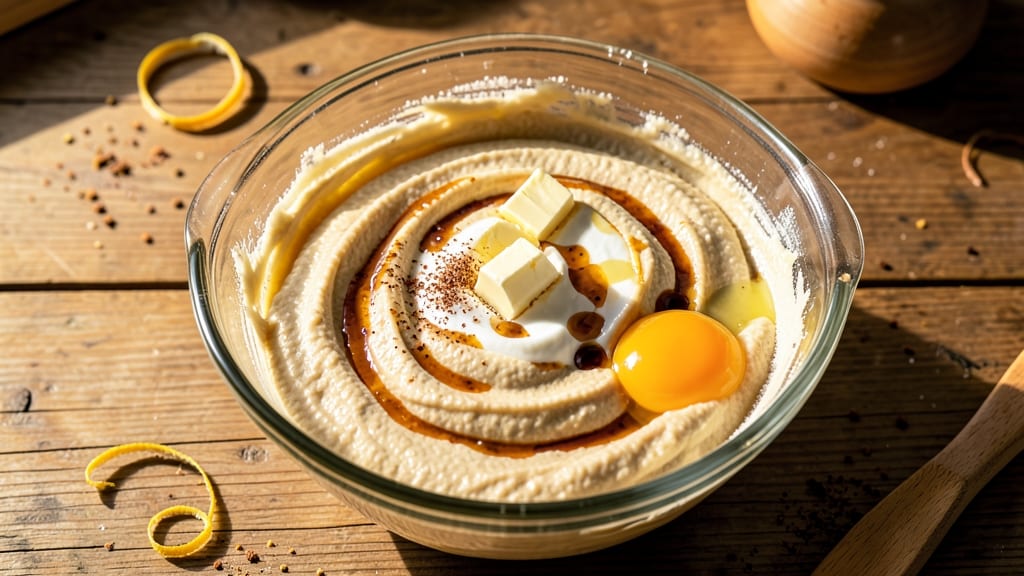
This Amish sugar cookie recipe with sour cream delivers the ultra-tender texture that makes them legendary—no one will guess they’re made with a simple dough trick. The secret lies in that tangy sour cream, which keeps the cookies moist and tender even after baking.
I’ve perfected this recipe over years of testing, and it’s become a holiday staple that disappears faster than I can make them.
The beauty of this recipe is its simplicity: just a few pantry staples and 15 minutes of prep work. The sour cream replaces some of the butter, creating a delicate crumb that stays soft without being greasy.
Traditional Amish techniques—like rolling the dough thin for classic cut-out shapes—ensure that every bite has that signature melt-in-your-mouth quality. And the best part? These cookies stay fresh for days, making them perfect for gifting or prepping ahead.
What you’ll end up with are golden-brown, perfectly shaped cookies with just the right balance of sweetness and buttery richness. The sour cream’s tang cuts through the sugar, adding depth that makes these cookies stand out from the ordinary.
Whether you’re baking for a holiday gathering or just treating yourself, this recipe delivers restaurant-quality results at home.
Once baked, you can decorate them with simple glaze, sprinkles, or even a dusting of powdered sugar for an elegant touch. Store them in an airtight container for up to a week, though I doubt they’ll last that long. Let’s get baking—these cookies are worth every minute of effort.
Ingredients for amish sugar cookie recipe with sour cream
Pantry staples plus a few key ingredients—sour cream makes all the difference here.
| Ingredient | Amount | Notes |
|---|---|---|
| All-Purpose Flour 🌾 | 3 ½ cups | Sifted for best texture |
| Unsalted Butter 🧈 | 1 cup | Cold, cubed for even mixing |
| Granulated Sugar 🍚 | 1 ½ cups | Superfine preferred for smooth dough |
| Sour Cream 🥛 | ½ cup | Full-fat for tenderness |
| Large Eggs 🥚 | 2 whole | Room temperature for smooth batter |
| Vanilla Extract 🍯 | 1 tbsp | Pure extract, not imitation |
| Baking Soda 🧂 | 1 tsp | Freshly measured |
| Salt 🧂 | ½ tsp | Fine sea salt preferred |
| Powdered Sugar 🍚 | 1 cup | For glaze, sifted |
| Heavy Cream 🥛 | ¼ cup | For glaze, room temperature |
| Almond Extract 🌿 | ½ tsp | Optional, for depth of flavor |
The sour cream is non-negotiable—it's what gives these cookies that legendary tender crumb. Full-fat works best, and I always grab the Kroger brand or Trader Joe's for the best consistency. The butter should be cold when you mix it in, or you'll end up with tough cookies. Flour? King Arthur or Gold Medal are my go-tos—they're reliable. Sift the flour and powdered sugar together to avoid lumps, and use superfine sugar if you can find it. The vanilla extract matters too—Nielsen-Massey is my favorite, but any pure extract will do. If you're feeling fancy, a pinch of almond extract adds depth (but it's optional).
No sour cream? Plain Greek yogurt at half the amount works in a pinch, though the texture won't be quite the same. Running low on butter? Coconut oil at the same quantity keeps it vegan-friendly, but the flavor will shift slightly. The almond extract can be swapped for a splash of amaretto or vanilla bean paste if you're out. For the glaze, if you don't have heavy cream, whole milk thinned with a little corn syrup does the trick. And if you're prepping ahead, make the dough a day in advance—it actually tastes better after resting, as the flavors meld.
Dough keeps for 3 days in the fridge wrapped tightly in plastic, or 3 months frozen in a sealed bag. Once baked, store in an airtight container with parchment between layers—they stay fresh for 5 days. I like to portion the dough into balls before freezing so I can bake straight from frozen. The glaze sets quickly, so use it right after decorating. These cookies reheat beautifully—just 10 seconds in the microwave with a damp paper towel to restore that melt-in-your-mouth texture.
Why You'll Love This Recipe
- No-Fuss Dough: Mixing this dough is almost too easy—just cream butter and sugar, toss in the sour cream, and fold in flour like you’re making a lazy hug. Honestly, the sour cream keeps it tender without fuss, and I’ve never had a batch turn out gummy or dry.
- Buttery-Sweet Magic: That creamed butter and sugar combo? It’s like biting into a cloud with a caramel high-five. The sour cream adds this subtle tang that makes the sweetness pop—way better than plain old vanilla cookies.
- Holiday or Snack: Shape them into trees for Christmas, cut them into stars for summer potlucks, or just grab a handful straight from the jar. They freeze like champs, so I bake a double batch and keep one for when lazy days hit.
- Pantry Staple Power: You’re probably already using these ingredients—flour, butter, sugar—and eggs are cheap. Sour cream’s the secret weapon here, but even if you forget it, a splash of milk works. Zero wasted effort, maximum reward.
Step-by-step instructions for Amish sugar cookies with sour cream
Here's the method that delivers melt-in-your-mouth tenderness every time—no tricks, just perfect technique.
Mix Wet Ingredients for Ultra-Tender Dough
In a large mixing bowl, combine the 1 cup unsalted butter (cold, cubed) with the 1.5 cups granulated sugar. Beat on medium speed for 3-4 minutes until light and fluffy. This step is crucial—the butter should look pale and nearly double in volume. I press down on the mixture with a spoon occasionally to check progress; it should leave a clean imprint when fully creamed.
Add the 0.5 cup sour cream, 2 whole large eggs, 1 tbsp vanilla extract, 0.5 tsp almond extract (if using), and mix until fully incorporated. The sour cream works magic here—it keeps the cookies tender by preventing gluten development. Scrape down the sides of the bowl with a rubber spatula to ensure all ingredients are evenly combined.
Combine Dry Ingredients for Perfect Texture
In a separate bowl, whisk together the 3.5 cups all-purpose flour (sifted), 1 tsp baking soda, and 0.5 tsp salt. I sift the flour directly into the bowl to avoid clumps—this ensures even distribution throughout the dough. The baking soda will help create that classic Amish cookie lift while keeping them tender.
Gradually add the dry ingredients to the wet mixture, mixing on low speed just until combined. Be careful not to overmix—stop as soon as the flour disappears. The dough should be soft and slightly sticky, almost like cookie dough should be. If it feels too dry, add 1-2 teaspoons of heavy cream to help bind it.
Chill the Dough for Perfect Shape and Flavor
Divide the dough into 4 equal portions (about 12 ounces each) and flatten each into a ½-inch thick disk. Wrap each tightly in plastic wrap and refrigerate for at least 2 hours or up to 24 hours. This chilling step is non-negotiable—it prevents the cookies from spreading too much in the oven and allows the flavors to meld beautifully.
I like to chill mine overnight for maximum flavor development. The cold dough also makes rolling and cutting much easier, giving you cleaner shapes and more consistent cookies. Don't skip this step—it's what makes these cookies truly special.
Roll and Cut for Classic Amish Shapes
Preheat your oven to 350°F and line two baking sheets with parchment paper. On a lightly floured surface, roll out one disk of dough to ¼-inch thickness. Use a 2-inch round cutter (or any shape you prefer) to cut out cookies, placing them 2 inches apart on the prepared baking sheets.
Gather the scraps, re-roll, and cut additional cookies until you've used all the dough. The key here is to keep the dough cold while working—if it gets too soft, return it to the refrigerator for 10-15 minutes before continuing. This ensures your cookies maintain their shape and texture.
Bake Until Golden and Prepare the Glaze
Bake the cookies for 10-12 minutes until the edges are light golden brown but the centers still look slightly soft. They'll firm up as they cool. Rotate the baking sheets halfway through for even baking. Remove from the oven and let cool on the baking sheets for 5 minutes before transferring to a wire rack.
While the cookies cool, prepare the glaze by whisking together the 1 cup powdered sugar, 0.25 cup heavy cream, and 1 tsp vanilla extract until smooth. Dip the cooled cookies halfway into the glaze or drizzle generously over the tops. The glaze should be thick enough to coat but not drip excessively—adjust the consistency with more powdered sugar if needed.
Pro Tips For Making Amish Sugar Cookie Recipe With Sour Cream
- Chill the Dough Longer: I learned this the hard way—rushing the 24-hour fridge rest for this recipe means cookies that spread like pancakes. Even if you’re eager, give it a full day (or at least 12 hours) for the sour cream to fully tenderize the dough and the flour to relax. The wait makes all the difference in texture.
- Use Cold Butter Cubes: Skip the softened butter—this isn’t shortbread. Cut your unsalted butter into ½-inch cubes and refrigerate them until you’re ready to mix. When you cream it with the sugar, the cold butter will create pockets that yield flaky, melt-in-your-mouth layers instead of dense cookies. (Yes, even if you’re impatient like me.)
- Measure Sour Cream Precisely: That half-cup of sour cream isn’t just a filler—it’s the secret to that signature Amish tenderness. Use a kitchen scale if you can (it should weigh ~120g), but if not, scoop it straight from the fridge (warmer sour cream = more spread). Don’t eyeball it; too little makes the cookies dry, too much turns them gummy.
- Preheat Pan to Medium-High: This isn’t a delicate bake—your oven should hit 375°F (190°C), but the pan is where the real magic happens. Preheat your baking sheets for 5 minutes before adding cookies. The extra heat ensures even browning and prevents the bottoms from sticking to the pan like they’ve got a grudge against you. (Trust me, I’ve dealt with the cleanup.)
Serving suggestions for leftovers
Classic Holiday Plating
For a traditional Amish touch, arrange cookies on a tiered stand with parchment paper between layers to prevent sticking. I like to dust them with a light layer of powdered sugar using a fine-mesh sieve for an elegant finish—this mimics the look of freshly baked cookies from a Pennsylvania farmhouse.
Serve with a warm cup of chai tea or hot cocoa for that cozy holiday vibe. 🌟
Gift-Worthy Packaging
Wrap individual cookies in parchment paper, tie with a red ribbon, and place them in a cellophane bag with a sprig of fresh rosemary for a charming gift. I've found that Kraft paper boxes from craft stores add a rustic feel perfect for holiday presents.
Add a handwritten tag with the recipe name and date—your recipients will love the personal touch.
Dessert Board Display
Create a stunning dessert board by arranging cookies alongside other sweet treats like mini cheesecakes or candied pecans. Use a wooden board with a mix of round and star-shaped cookies for visual interest.
A drizzle of dark chocolate between sections adds a sophisticated touch. This presentation works beautifully for holiday gatherings or dinner parties. ✨
Icing Variations
Swap the simple glaze for royal icing to create intricate designs. Use a piping bag with a star tip to add delicate patterns or write names. For a festive twist, add sprinkles or edible gold dust—I love using Wilton brand decorations for consistent results.
The contrast of white icing against the golden cookies makes them look extra special.
Seasonal Additions
Incorporate seasonal flavors by adding cinnamon or pumpkin spice to the dough for fall baking. For winter, try a peppermint extract twist in the glaze. I've also seen beautiful results with crushed candy canes mixed into the dough for Christmas cookies. These small tweaks keep your cookies exciting year-round.
Make-Ahead Presentation
Prepare cookies a day ahead and store them in airtight containers with parchment between layers. When ready to serve, brush with a little melted butter and sprinkle with coarse sugar for a fresh-from-the-oven look.
This trick works wonders for last-minute gatherings—your guests will never know they weren't made that morning! 💫
Nutrition facts
Frequently asked questions
Why does sour cream make these cookies so tender?
The sour cream replaces some of the butter while adding moisture and acidity that breaks down gluten strands. This creates a softer, more delicate crumb compared to traditional butter-only cookies. The fat content also prevents excessive spreading in the oven, keeping them thick and pillowy.
Can I use Greek yogurt instead of sour cream?
Yes, but the texture will be slightly different. Use ½ cup plain Greek yogurt (full-fat works best) and reduce the liquid in other ingredients by 1 tablespoon to compensate. The cookies will still be tender but may have a slightly denser crumb. For best results, stick with sour cream for that classic Amish texture.
How do I prevent my cookies from spreading too much?
Chilling the dough for at least 2 hours is crucial—this firms up the fat and prevents excessive spreading. Also, use a ¼-inch thick dough and bake at 350°F (not higher). For extra insurance, place cookies on a parchment-lined tray with 2 inches between each. If they still spread, your butter might be too soft—try chilling the dough longer.
What shapes work best for these cookies?
Traditional Amish sugar cookies often use 2-inch round cutters, but you can also try stars, hearts, or even simple rectangles. For intricate shapes, chill the dough longer (24 hours) to make rolling easier. If using cookie cutters, press firmly to avoid tearing. Pro tip: Roll the dough ⅛-inch thick for delicate shapes like lace patterns.
Can I make these cookies vegan?
Yes! Replace the butter with 1 cup coconut oil (solid) and the eggs with ¼ cup flaxseed meal + ⅓ cup water (let sit for 5 minutes). Use vegan sour cream or coconut yogurt, and ensure your vanilla extract is alcohol-free. The texture will be slightly different but still delicious. Test with a small batch first to adjust consistency.