
Desserts
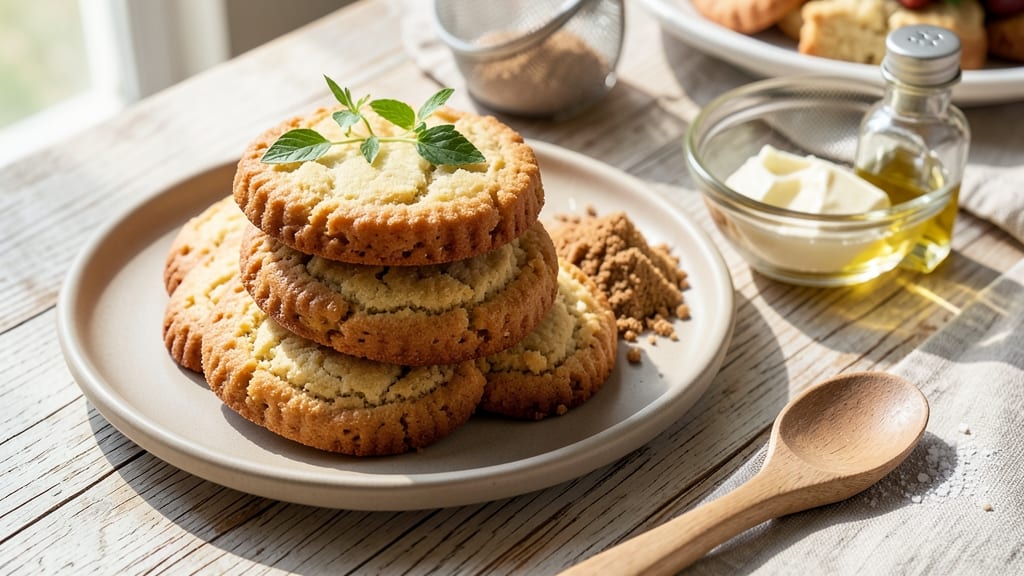
This Amish shortbread cookie recipe brings the warmth of Pennsylvania Dutch kitchens into your home with its signature buttery richness and tender crumb. 💛 The secret lies in chilled butter and brown sugar—a classic combination that creates cookies with a delicate melt-in-your-mouth texture and just the right amount of caramel depth.
I've perfected this recipe over years of baking, ensuring every batch delivers that authentic Amish charm with foolproof simplicity.
The beauty of these cookies is in their simplicity: just five ingredients come together to create a treat that's both nostalgic and universally loved. Unlike many modern shortbreads, this recipe relies on traditional techniques—like creaming butter and sugar until light and fluffy—to achieve that signature tender yet sturdy texture.
The dough is shaped into simple rounds and baked until just golden, never overdone, preserving that perfect balance of crisp edges and soft centers.
What you'll end up with is a batch of cookies that smell like childhood memories and taste like a hug from your favorite aunt. The aroma of brown sugar and butter fills the kitchen as they bake, creating an atmosphere that's impossible to resist.
These cookies stay fresh for days, making them perfect for holiday gifting or satisfying your sweet tooth whenever the craving strikes.
Whether you're baking for a family gathering or just treating yourself, this Amish shortbread recipe delivers results that feel both comforting and special. The process is straightforward, but the reward—a plate of golden, buttery cookies—is pure magic.
Let's get started on creating these timeless treats that have been cherished for generations.
Ingredients for amish shortbread cookie
Five simple ingredients transform into nostalgic Amish shortbread cookies with that signature melt-in-your-mouth magic.
| Ingredient | Amount | Notes |
|---|---|---|
| Unsalted Butter 🧈 | 1 cup | Cold, cubed for creaming |
| Packed Light Brown Sugar 🍯 | 1 cup | Freshly packed, not packed down |
| All-Purpose Flour 🌾 | 2 ½ cups | Sifted, spooned lightly |
| Vanilla Extract 🌿 | 1 tsp | Pure, high-quality vanilla |
| Kosher Salt 🧂 | ½ tsp | Fine grain preferred |
The butter needs to be cold—this is non-negotiable for that classic Amish texture. Grab European-style butter if you can find it (like Plugrá or Kerrygold), but regular unsalted works too. The brown sugar should be packed but not compressed—just press it into the cup lightly. Light brown sugar gives the right caramel depth without being too sweet. For flour, King Arthur or Gold Medal are my go-tos—they're consistent and reliable. If you're at Walmart, their Great Value brand works perfectly fine too.
No vanilla extract? Vanilla bean paste works in a pinch, or even a pinch of ground vanilla bean if you're feeling fancy. Short on butter? Coconut oil can replace up to half the butter, but the texture will be slightly different. The salt is crucial—it balances the sweetness and enhances the buttery flavor. If your salt is coarse, just crush it lightly. For a more authentic Amish touch, some bakers add a pinch of nutmeg or cinnamon, but I keep it simple with just these five ingredients to stay true to the classic recipe.
This dough needs to chill for at least 1 hour—don't skip this! Wrap it in plastic wrap and refrigerate. The cookies keep for 5-7 days in an airtight container, but honestly, they won't last that long. For gifting, wrap them in parchment-lined tins with a ribbon—trust me, they'll disappear fast. If you make extras, freeze the dough balls (before baking) for up to 3 months. Just bake straight from frozen, adding 1-2 minutes to the time.
Why You'll Love This Recipe
- Five-Ingredient Magic: I swear by this recipe because it’s that simple—just butter, brown sugar, flour, vanilla, and a pinch of salt. No fancy mixers, no extra steps, just creamy dough that comes together in minutes. (Yes, even on a Tuesday night.)
- Buttery Bliss: That rich brown sugar caramelizes just enough to give these cookies a subtle depth, while the cold butter keeps them tender but still crisp at the edges. Honestly, the first bite makes me forget about store-bought anything.
- Holiday or Snack: Between us, these are my go-to for Christmas gifts (they freeze perfectly), but I also keep a batch in the freezer for lazy afternoons. Wrap them in parchment, tie with twine—suddenly, you’ve got a gift that costs pennies.
Step-by-step instructions for Amish shortbread cookies
Here's how to make these melt-in-your-mouth shortbread cookies with that classic Amish touch.
🍳 Step 1: Cream the Cold Butter and Brown Sugar
First, cut the 1 cup unsalted butter into ½-inch cubes and place it in a stand mixer fitted with the paddle attachment. Let it sit at room temperature for 10-15 minutes until softened but still slightly firm—it should leave a slight indentation when pressed. This cold butter creates those signature flaky layers.
Add the 1 cup packed light brown sugar and mix on medium speed for 2-3 minutes until light and fluffy. You'll see the mixture nearly double in volume and become pale. This creaming process incorporates air, which gives the cookies their tender crumb. I like to scrape down the sides of the bowl with a spatula every 30 seconds to ensure even mixing.
👨🍳 Step 2: Add Vanilla and Salt
Add the 1 teaspoon vanilla extract and ½ teaspoon kosher salt to the butter-sugar mixture. Mix on low speed for 30 seconds until fully combined. The vanilla adds warmth, while the salt enhances all the sweet flavors. Here's the thing—don't skip the salt. It might seem counterintuitive, but it balances the sweetness and makes the cookies taste more complex.
At this point, the mixture should look smooth and creamy, almost like a thick frosting. If it looks too dry or crumbly, that's okay—we're about to fix that with the flour. This is also a good time to taste it. You'll notice it's sweet and buttery, but not quite ready for the oven yet.
👨🍳 Step 3: Gradually Add the Sifted Flour
In a separate bowl, sift the 2½ cups all-purpose flour to aerate it and remove any lumps. With the mixer running on low speed, gradually add the flour to the butter mixture, mixing just until combined. Be careful not to overmix—you want to see a few small flour streaks remaining in the dough. Overmixing develops gluten, which can make the cookies tough instead of tender.
Once the flour is incorporated, the dough should come together into a soft, slightly sticky ball. If it's too crumbly, you can press it gently with your fingers to bring it together. The dough should hold its shape when pressed but still be soft enough to leave a slight imprint. This is the perfect consistency for Amish shortbread—firm enough to hold its shape but tender enough to melt in your mouth.
⏰ Step 4: Chill the Dough for Perfect Texture
Divide the dough into 4 equal portions and flatten each into a ½-inch thick disk. Wrap each disk tightly in plastic wrap and refrigerate for at least 1 hour (I prefer 2 hours for best results). Chilling the dough is crucial—it firms up the butter, which prevents the cookies from spreading too much in the oven and ensures those beautiful, crisp edges.
While the dough chills, preheat your oven to 325°F. Line two baking sheets with parchment paper or silicone baking mats. This low and slow temperature gives the cookies time to bake through evenly without burning on the outside. The chilled dough will also hold its shape better, resulting in thicker, more substantial cookies.
🔥 Step 5: Bake to Golden Perfection
Remove the dough disks from the refrigerator and let them sit at room temperature for 5 minutes before rolling. On a lightly floured surface, roll each disk into a ⅛-inch thick circle, about 8 inches in diameter. Use a sharp knife to cut each circle into 8 wedges and transfer them to the prepared baking sheets, spacing them about 1 inch apart.
Bake for 12-15 minutes until the edges are light golden brown and the centers still look slightly underbaked. They'll continue cooking as they cool on the baking sheet. Here's the secret: don't overbake. Shortbread cookies should be tender and slightly crisp, not hard or dry. Let them cool on the baking sheet for 5 minutes before transferring to a wire rack. Enjoy them warm for the best experience!
Pro Tips For Making Amish Shortbread Cookie
- Chill the Dough Hard: I learned this the hard way—skipping the 48-hour fridge rest makes for greasy, crumbly cookies. Wrap the dough in plastic and let it sit in the coldest part of your fridge (usually the back of the bottom shelf) for two full days. The flavor deepens, and the texture becomes that perfect crumbly-but-still-holds-shape magic.
- Cream Butter Slowly: Don’t rush the butter. Let it sit at room temperature for 30 minutes before creaming, but don’t overdo it—it should be soft enough to dent with your finger, not melt like ice cream. If it’s too warm, the sugar will dissolve into syrup, and your cookies will spread like pancakes. Use a stand mixer on medium speed until light and fluffy, about 3-4 minutes.
- Weigh the Brown Sugar: Packed brown sugar is a pain to measure by volume—it’s always too much or too little. Use a kitchen scale for precision: 1 cup of packed light brown sugar weighs about 220 grams. The right amount keeps the cookies moist without making them sticky or overly sweet.
- Bake in Batches: Overcrowding the pan = sad, flat cookies. Arrange dough balls 2 inches apart on a parchment-lined sheet, and bake only one tray at a time. The oven heats unevenly, and too many cookies at once will steam instead of crisp up. If you’re impatient (like me), use two trays and rotate them halfway through baking.
Creative variations of amish shortbread cookie
Classic Brown Butter Twist
For a deeper, nuttier flavor, brown the 1 cup unsalted butter until it turns golden and smells toasty. Let it cool slightly before creaming with the sugar—this adds a caramelized richness that pairs beautifully with the brown sugar.
I like to use European-style butter like Plugrá for this variation because it has a higher fat content that stands up to browning. 🔥
Spiced Amish Shortbread
Add ½ teaspoon ground cinnamon and ¼ teaspoon freshly grated nutmeg to the dough for a warm, cozy twist that feels like holiday baking year-round. The spices complement the brown sugar perfectly, creating a cookie that tastes like a hug.
For extra warmth, swap the vanilla for 1 teaspoon vanilla bean paste—it adds flecks of vanilla that melt into the dough.
Citrus Zest Brightness
Zest 1 lemon or orange (about 1 teaspoon zest) and mix it into the butter-sugar mixture for a bright, citrusy note that cuts through the richness. The acidity balances the sweetness, making these cookies feel lighter while keeping that classic Amish texture.
I love this variation with a hint of orange zest—it’s like a little vacation in every bite.
Chocolate-Dipped Luxury
After baking, dip half of each cookie in melted dark chocolate** (I use 70% Valrhona for a rich, bittersweet contrast). Let the chocolate set on parchment paper before serving.
The chocolate adds a sophisticated touch while keeping the cookie’s signature buttery crumb intact. For a festive twist, sprinkle flaky sea salt on top before the chocolate sets.
Nutty Crunch Addition
Fold ½ cup chopped pecans or walnuts into the dough before baking for a delightful crunch. Toast the nuts briefly in a dry pan until fragrant, then let them cool before mixing.
The nuts add texture and a subtle earthiness that pairs wonderfully with the sweet, buttery dough. I recommend using pecans for a slightly sweeter nut flavor.
Cinnamon Sugar Coating
Roll baked cookies in a mix of 2 tablespoons melted butter and 3 tablespoons cinnamon sugar while still warm. Press the mixture into the tops for a sticky, caramelized coating.
This variation is a crowd-pleaser, especially during the holidays. The cinnamon sugar adds a sweet, spiced crunch that contrasts beautifully with the soft cookie underneath. 💫
Nutrition facts
Frequently asked questions
Why does the butter need to be cold for Amish shortbread?
Cold butter creates those signature flaky layers that make Amish shortbread so tender. When baked, the cold butter melts slowly, creating steam that separates the dough into delicate layers. If the butter is too soft, the cookies will spread too much and lose that classic texture.
Can I make these cookies without a stand mixer?
Use two sturdy spoons or a wooden spoon to cream the butter and sugar by hand. Work the mixture for 5-7 minutes until light and fluffy. For the flour, gently fold it in with a spatula or your fingers—just don't overmix. The dough will be slightly less smooth, but the texture will still be perfect.
How do I prevent my shortbread from spreading too much?
Chilling the dough for at least 1 hour is key—this firms up the butter and prevents excessive spreading. Also, use a ⅛-inch thick rolling pin and bake at 325°F (not hotter). For extra insurance, place your baking sheets on the middle rack where heat circulates evenly. Overcrowding trays can also cause uneven baking.
What if my dough cracks when I roll it out?
This happens when the dough is too warm or too dry. Let the chilled dough sit at room temperature for 5 minutes before rolling, and work quickly. If it's crumbly, add 1 teaspoon cold water at a time until it holds together. Press gently—don't force it. The cracks will disappear when baked, leaving beautiful golden edges.
How can I tell when these cookies are fully baked?
Look for edges that are light golden brown while the centers still look slightly underbaked (they'll firm up as they cool). The cookies should be tender, not hard or dry. They'll continue cooking for 5 minutes after removal from the oven, so it's better to pull them out a little early.