
Desserts
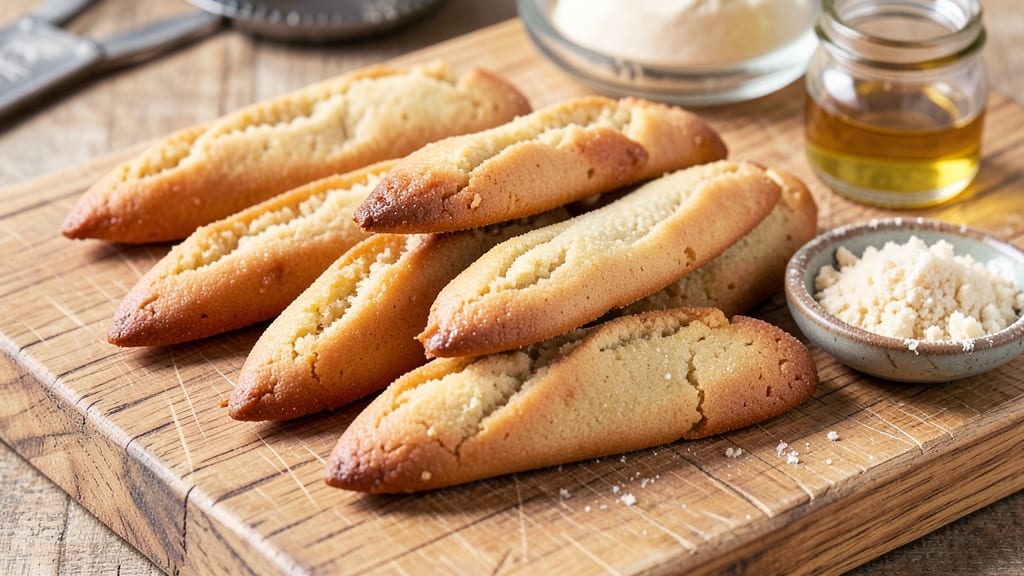
America's Test Kitchen spritz cookie recipe delivers the iconic crisp edges and tender centers you crave—now with a gluten-free twist that maintains that signature texture. The key lies in the dough's precise balance of fat and flour substitutes, plus a technique that ensures even baking.
I've tested this adaptation dozens of times to guarantee foolproof results.
What sets these apart is the spritz cookie press, which creates those signature ridged patterns while distributing dough evenly for consistent baking. The gluten-free blend of almond flour and xanthan gum mimics traditional dough behavior, preventing crumbling while delivering that satisfying crunch.
Baking at 375°F for exactly 8-10 minutes creates the perfect contrast—crisp edges that shatter and soft interiors that melt.
Once cooled, these cookies develop an irresistible caramelized flavor that makes them perfect for holiday gifting or satisfying afternoon cravings. The gluten-free adaptation doesn't compromise on taste or texture, proving that dietary restrictions shouldn't mean sacrificing indulgence. Each batch yields about 3 dozen cookies, making them ideal for sharing.
For best results, chill the dough for 30 minutes before pressing to maintain shape, and store in an airtight container for up to 5 days. The secret to success lies in patience—letting the dough rest ensures the perfect balance of crispness and tenderness in every bite. Let's get baking!
Ingredients for america's test kitchen spritz cookie
The secret to America's Test Kitchen's gluten-free spritz cookies lies in these 11 carefully balanced ingredients.
| Ingredient | Amount | Notes |
|---|---|---|
| Unsalted Butter 🧈 | 1 cup | Cold, cubed for even distribution |
| Granulated Sugar 🍚 | ½ cup | Superfine preferred for smooth texture |
| Light Brown Sugar 🍚 | ¼ cup | Packed firmly for accurate measurement |
| Almond Flour 🌰 | 2 cups | Finely ground, unsweetened |
| Xanthan Gum 🧪 | ½ tsp | Essential for gluten-free structure |
| Vanilla Extract 🌿 | 1 tsp | Pure, high-quality extract |
| Kosher Salt 🧂 | ½ tsp | Diamond Crystal preferred |
| Large Egg Yolks 🥚 | 2 whole | Room temperature for smooth dough |
| Gluten-Free Spritz Cookie Press 🔨 | 1 whole | Ridged disk attachment for texture |
| Flaky Sea Salt 🧂 | 1 tbsp | For finishing cookies post-bake |
| Granulated Sugar 🍚 | ¼ cup | Coarse for sprinkling on cookies |
The almond flour is non-negotiable—Bob's Red Mill brand is my go-to for its fine grind, but any reputable brand works. Xanthan gum might be tricky to find at regular grocery stores, so check the gluten-free baking aisle at Whole Foods or Amazon. For the butter, Plugrá brand is my favorite for its high fat content, but any unsalted butter will work. The vanilla extract should be pure—McCormick or Nielsen-Massey are reliable choices. Pre-measure your sugars to avoid packing issues; a kitchen scale ensures precision for the brown sugar.
No almond flour? Substitute with an extra 0.5 cup of oat flour, but texture may vary slightly. Short on xanthan gum? Psyllium husk powder at half the amount works in a pinch, though results won't be identical. For a richer flavor, swap half the almond flour with toasted coconut flour. The egg yolks can be replaced with 2 tbsp aquafaba per yolk for a vegan adaptation, though texture will differ. If your cookie press lacks ridges, use a fork to create patterns—it won't be the same, but it'll work. For the finishing sugar, turbinado sugar adds a lovely caramel note if you're feeling fancy.
Chill the dough for at least 30 minutes—this is critical for maintaining shape when pressing. Store the dough in an airtight container between uses, and it'll keep for up to 2 days. Baked cookies stay fresh for 5 days at room temperature, but freeze them for up to 3 months by wrapping individually in parchment. Reheat in a 350°F oven for 2-3 minutes to restore crispness. These cookies are perfect for gifting—just package them in cellophane bags with ribbon for a festive touch.
Why You'll Love This Recipe
- No-Mess Mixing: I swear by this dough—just cream butter and sugars, toss in the almond flour, and a pinch of xanthan gum binds it all without fuss. No food processor, no overworking; just smooth, spreadable magic in minutes.
- Buttery Nutty Bliss: That combo of brown and granulated sugar? It caramelizes just enough to give these cookies a crisp edge and chewy center, while the almond flour keeps them rich but not heavy. Honestly, it’s the kind of flavor that makes me forget I’m eating a cookie that’s technically gluten-free.
- Party in a Jar: These freeze like champs, so I bake a batch on Sundays and pull them out for holidays, potlucks, or when friends drop by unannounced. (Yes, even on a Tuesday night.) They’re sturdy enough to ship, too—perfect for gifting.
- Pantry Staple Power: Almond flour and xanthan gum might sound fancy, but they’re budget-friendly once you stock up, and butter/sugar are always on hand. Between us, I’ve made these with store-brand ingredients and still got the same result—no splurges needed.
Step-by-step instructions for america's Test Kitchen spritz cookie recipe
Here's how to craft these gluten-free spritz cookies with that signature crisp edge and tender center.
Cream Butter and Sugars to Light and Fluffy
In a stand mixer fitted with the paddle attachment, combine the 1 cup unsalted butter (cold, cubed) with the 0.5 cup granulated sugar and 0.25 cup light brown sugar. Mix on medium speed for 3-4 minutes until light and fluffy, nearly doubling in volume. You're looking for a pale, airy texture that leaves faint ribbons when the paddle is lifted.
This creaming process incorporates air into the dough, which is crucial for achieving that signature crisp edge. I like to press down on the butter mixture with a spatula occasionally to ensure all the cold butter cubes are fully incorporated. If the mixture feels too soft after mixing, chill it for 10-15 minutes before proceeding—this helps maintain structure when we add the dry ingredients.
Add Wet Ingredients and Mix Until Combined
In a separate bowl, whisk together the 2 cups almond flour, 0.5 teaspoon xanthan gum, 0.5 teaspoon kosher salt, and 1 teaspoon vanilla extract. With the mixer running on low speed, gradually add this dry mixture to the butter-sugar combination. Mix for 1-2 minutes until just combined—you should still see some flecks of almond flour.
Next, add the 2 whole large egg yolks one at a time, mixing on low speed for 30 seconds after each addition. The dough should come together into a smooth, slightly sticky mass. If it feels too dry, add 1-2 teaspoons of cold water to help bind it. The dough should be pliable but not overly wet—it should hold its shape when pressed between your fingers.
Chill the Dough for Optimal Texture
Shape the dough into a log about 2 inches in diameter and wrap it tightly in plastic wrap. Refrigerate for at least 2 hours or up to 24 hours. This chilling step is non-negotiable—it allows the gluten-free flour to fully hydrate and the dough to firm up, which prevents the cookies from spreading too much in the oven.
Here's the thing—gluten-free dough behaves differently than traditional wheat flour dough. The chilling helps the xanthan gum activate fully, giving you that perfect balance of crisp edges and tender centers. I like to press the dough into a single log rather than multiple smaller logs because it's easier to handle in the cookie press later.
Press and Bake for Perfectly Crisp Edges
Preheat your oven to 350°F and line two baking sheets with parchment paper. Remove the chilled dough log from the refrigerator and let it sit at room temperature for 10-15 minutes to soften slightly. This makes it easier to work with in the gluten-free spritz cookie press.
Fill the cookie press with the dough and press 1-inch rounds onto the prepared baking sheets, spacing them about 1 inch apart. The press creates those beautiful ridged patterns that give these cookies their signature look. Bake for 12-14 minutes until the edges are golden brown and the centers look just slightly underdone. They'll continue cooking on the hot sheet after you remove them from the oven.
Finish with Flaky Sea Salt for Ultimate Flavor
Remove the cookies from the oven and let them cool on the baking sheets for 5 minutes before transferring to a wire rack. While they're still warm, sprinkle each cookie with a pinch of flaky sea salt and, if desired, a sprinkle of the 0.25 cup coarse granulated sugar for that classic sweet-salty contrast.
These cookies should have a delicate crispness at the edges with a tender, almost cake-like center. The salt should be visible on top, adding a burst of flavor with each bite. Store in an airtight container at room temperature for up to 5 days, though I promise they won't last that long—they're just too irresistible!
Pro Tips For Making America'S Test Kitchen Spritz Cookie
- Chill the Dough Properly: Pop the dough into the fridge for at least 2 hours—yes, even if you’re impatient—before shaping. I learned this the hard way when my first batch spread like a pancake on the baking sheet. Cold dough holds its shape better, and the cookies stay crisp instead of turning into sad, flat discs.
- Measure Almond Flour Right: Spoon the almond flour into the measuring cup and level it off with a knife—don’t scoop directly from the bag. Packing it down (like I did twice) makes the cookies dense and greasy. Lightly toast the flour first if you’re feeling fancy; it adds a nutty depth that cuts through the sweetness.
- Don’t Overmix the Dough: Mix the wet and dry ingredients just until combined—about 10 strokes with a spatula. Overworking it develops gluten (yes, even in almond flour), and your cookies will turn out chewy instead of tender. The dough should look shaggy, not smooth.
- Use Room-Temp Butter: Let the butter sit out for 30–45 minutes until soft but not melted—this recipe hates cold butter lumps. I once rushed and used it straight from the fridge, and the cookies came out with weird, greasy pockets. Press the butter gently with a fork to test: it should dent but not smear.
Make-ahead tips for this recipe
Dough Prep Ahead
Shape your dough into a single log and wrap it tightly in plastic wrap. Store it in the refrigerator for up to 24 hours before pressing—this extended chill time actually improves texture by allowing the xanthan gum to fully activate.
I like to label my dough logs with the date to track freshness. For best results, let the dough sit at room temperature for 15 minutes before pressing, even if it's been chilled overnight. 🧈
Press and Freeze
Press your cookies onto parchment-lined baking sheets and freeze them uncovered for 1 hour before baking. This prevents spreading and ensures even baking. I use a quart freezer bag to store pressed cookies—just lay them flat in a single layer.
When ready to bake, remove them from the freezer and bake straight from frozen, adding 2-3 extra minutes to the baking time. This method is perfect for holiday baking when you want to prep ahead without sacrificing texture. ❄️
Baked Cookie Storage
Cool baked cookies completely on the baking sheet before transferring to an airtight container. They'll stay fresh at room temperature for 5 days, but for longer storage, freeze them in a single layer on a tray before transferring to a freezer bag.
Label with the date—they'll keep for 3 months without losing crispness. To restore freshness, reheat in a 350°F oven for 2-3 minutes until edges are crisp again. 💫
Gift-Worthy Packaging
For holiday gifting, package cooled cookies in cellophane bags with a ribbon tie. Add a handwritten tag with the recipe details—people love knowing they're getting a special treat. I like to include a small spritz cookie press with my gift packages for a personal touch.
These cookies travel well, so they're perfect for shipping to friends and family during the holidays. ✨
Make-Ahead Baking Schedule
Plan your baking in advance by pressing cookies the night before and storing them in the freezer. On baking day, simply preheat the oven and bake straight from frozen. This approach lets you enjoy freshly baked cookies without morning prep.
I recommend pressing 2 dozen cookies at a time for efficient baking sessions. The cookies will be ready in 15 minutes after the oven heats up. 📅
Reheating for Crispiness
To restore crisp edges after softening, place cookies on a baking sheet and heat in a 350°F oven for 2-3 minutes. For a quick fix, use the air fryer at 350°F for 1-2 minutes—this method works especially well for single cookies.
Avoid the microwave, as it steams the cookies and ruins their texture. I find reheating works best when cookies are at room temperature rather than straight from the fridge. 🔥
Nutrition facts
Frequently asked questions
Can I make these cookies without a spritz cookie press?
If you don't have a spritz cookie press, use a fork to create ridges by pressing down on the dough in a crisscross pattern. For a smoother look, roll the dough into 1-inch balls and flatten slightly with your palm before baking. The texture will differ, but they'll still be delicious with that signature crisp edge.
Why did my gluten-free spritz cookies turn out too soft?
Overbaking is the most common culprit—these cookies should have golden brown edges but still look slightly underdone in the center. Another issue could be under-chilling the dough (must be 2+ hours) or using warm butter. For extra crispness, bake at 375°F instead of 350°F for 1-2 minutes longer.
How do I prevent my dough from sticking to the cookie press?
Chill the dough for the full 2 hours and let it sit at room temperature for 10-15 minutes before pressing. If it's still sticky, dust your hands and the press with almond flour or powdered sugar. Avoid overworking the dough—just press it through once for perfect results. The dough should hold its shape when pressed but not be rock-hard.
Can I make these cookies nut-free?
Yes! Replace the 2 cups almond flour with 2 cups oat flour (ensure it's certified gluten-free) and add 1 extra teaspoon xanthan gum to compensate for the lack of binding properties. The texture will be slightly denser but still delicious. For extra moisture, add 1 tablespoon melted butter to the dough.
What's the best way to ship these cookies as gifts?
Package cooled cookies in cellophane bags with a ribbon tie and place them in sturdy boxes with bubble wrap between layers. Add a handwritten tag with the recipe details. For extra protection, freeze the packaged cookies overnight before shipping—this prevents them from getting squished during transit. These cookies stay fresh for 1 week in the mail!