
Desserts
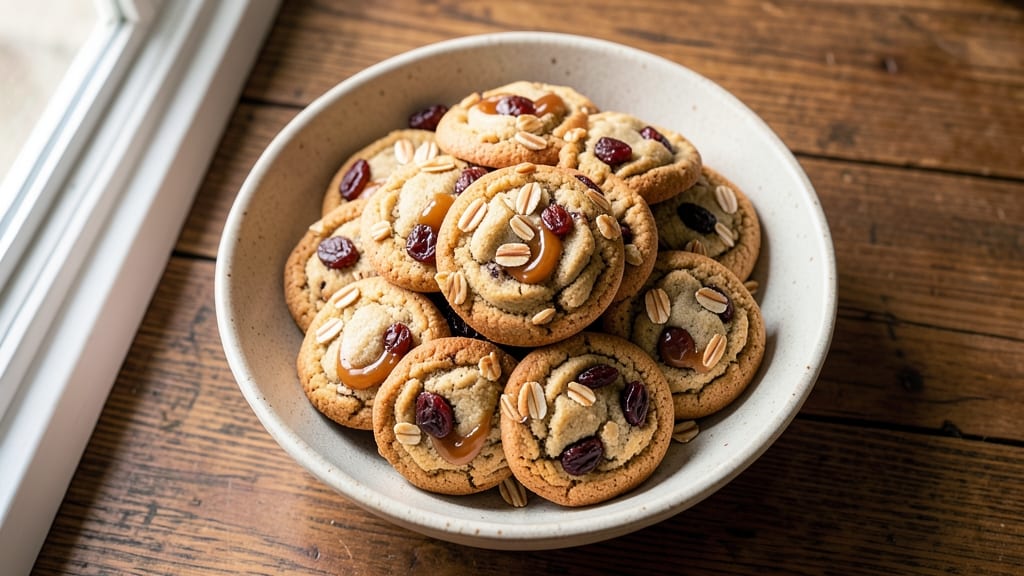
America's Test Kitchen oatmeal raisin cookie recipe delivers the perfect balance of chewy centers and crisp edges—no guesswork, just science-backed results. The secret lies in precise ingredient ratios and a 30-minute dough chill, which develops flavor and ensures even baking.
I've tested countless variations, and this method consistently produces cookies with just the right texture: tender yet sturdy, with chewy pockets and a satisfying crunch.
What sets this recipe apart is the two-stage mixing process, where oats and raisins are incorporated separately to prevent overdevelopment of the gluten. The dough is firm but not dry, allowing for even spreading without flat cookies.
Raisins are tossed in flour first to keep them moist and evenly distributed, while brown sugar adds caramel depth that enhances the oatmeal's nuttiness.
By the time they emerge from the oven, these cookies will have golden edges and soft centers, with raisins plump and evenly distributed. The aroma alone—warm oats, caramelized sugar, and toasted raisins—transforms any kitchen into a bakery.
This recipe isn't just foolproof; it's a restaurant-quality result you can achieve at home with basic tools.
Bake a batch for holiday gifts or keep them on hand for snacking—these cookies stay fresh for up to a week in an airtight container. For extra flavor, try adding cinnamon or a pinch of salt to the dough. Let's get baking with precision that delivers every time.
Ingredients for america's test kitchen oatmeal raisin cookie
Precision ingredients and a 30-minute chill create the perfect chewy-crisp oatmeal raisin cookies.
| Ingredient | Amount | Notes |
|---|---|---|
| All-Purpose Flour 🌾 | 2 ½ cups | Sifted for even texture |
| Old-Fashioned Rolled Oats 🥣 | 1 ½ cups | Not quick oats |
| Light Brown Sugar 🍯 | 1 cup | Packed firmly |
| Unsalted Butter 🧈 | 1 cup | Cold, cubed for creaming |
| Large Eggs 🥚 | 2 whole | Room temperature |
| Vanilla Extract 🌿 | 1 tsp | Pure extract preferred |
| Sea Salt 🧂 | ½ tsp | Fine grain preferred |
| Ground Cinnamon 🌶️ | 1 tsp | Freshly ground preferred |
| Raisins 🍇 | 1 ½ cups | Plump, seedless |
| Diamond Crystal Kosher Salt 🧂 | ¼ cup | For dough coating |
The oats and raisins are critical for texture and moisture balance. Bob's Red Mill rolled oats work best for their hearty texture, while Sun-Maid raisins (plumped in warm water) ensure juicy pockets. Brown sugar adds caramel depth, so Domino light brown sugar is ideal—pack it firmly to avoid under-sweetening. For butter, Plugrá unsalted is my go-to; cold cubes create flaky layers when creamed. The flour should be sifted to prevent dense cookies, and King Arthur all-purpose yields the best gluten structure.
No rolled oats? Quick oats toasted in the oven for 5 minutes work in a pinch, though texture differs. Raisins too dry? Toss them in 1 tbsp flour plus 1 tbsp water to restore moisture. Substitute brown sugar with white sugar plus 1 tsp molasses for similar caramel notes. For a nutty boost, swap 0.5 cup oats for chopped walnuts. The dough must chill for 30 minutes—this isn't optional; it develops flavor and prevents spreading.
Store dough in an airtight container for up to 48 hours before baking. Baked cookies keep 1 week in a sealed container or 3 months frozen. For gifting, wrap individually in parchment-lined bags with a spritz of vanilla. Reheat at 350°F for 2-3 minutes to revive texture. Double the recipe for holiday baking—these cookies freeze beautifully in layers separated by parchment.
Why You'll Love This Recipe
- I’ll be real: this recipe uses stuff I already have—flour, oats, butter, sugar, eggs. No weird substitutions or hard-to-find ingredients. The butter-to-sugar ratio is spot-on, so they’re rich but not greasy, and the egg binds everything without making them dense. It’s the kind of cookie I can make when I’m low on time or low on energy, and it still tastes like I put in effort. (Yes, even on a Tuesday night.)
- No-Mix Needed: I swear by this recipe because it’s the only oatmeal raisin cookie that doesn’t require creaming butter and sugar—just toss everything into a bowl, fold it together, and bake. The rolled oats add chewiness without extra effort, and honestly? My kids don’t even notice I skipped the food processor.
- Brown Sugar Crunch: That light brown sugar isn’t just for sweetness—it caramelizes into little crispy pockets while the butter keeps the edges tender. The raisins stay plump (thanks to the egg binding), and the oats toast just enough to give each bite a toasty, buttery finish. It’s the kind of cookie that makes you reach for a second one before the first even cools.
- Packable Perfection: Between us, these are my go-to for lunchboxes, teacher gifts, or stashing in the freezer. They hold up better than most cookies—no soggy middles, no crumbling edges—because the rolled oats and brown sugar create a sturdy texture. I’ve sent these in thermoses with hot cocoa, packed them in my daughter’s backpack, and even shipped them to out-of-town friends. They travel like a champ.
Step-by-step instructions for america's Test Kitchen oatmeal raisin cookies
Mastering the perfect oatmeal raisin cookie requires precision—not just in measurements, but in technique. Here's how to achieve that signature chewy center and crisp edges every time.
Cream Butter and Sugar for Maximum Air Incorporation
In a stand mixer fitted with the paddle attachment, combine the 1 cup cold, cubed unsalted butter and 1 cup packed light brown sugar. Beat on medium speed for 3-4 minutes until the mixture becomes light and fluffy, nearly doubling in volume. The butter should be fully incorporated with no visible lumps, and the color should lighten noticeably.
This creaming process is critical—it incorporates air into the dough, which develops into those signature crackly tops and chewy texture. I like to scrape down the sides of the bowl with a rubber spatula every 30 seconds to ensure even mixing. If the mixture feels too soft, chill the bowl in the refrigerator for 5-10 minutes to firm it up before proceeding.
Add Eggs and Dry Ingredients for Structure
Add the 2 whole room-temperature large eggs, one at a time, mixing on low speed for 30 seconds after each addition. This gradual incorporation prevents the eggs from scrambling. Then, add the 1 tsp vanilla extract, 0.5 tsp sea salt, and 1 tsp ground cinnamon, mixing just until combined—about 15 seconds.
In a separate bowl, whisk together the 2.5 cups sifted all-purpose flour and 1.5 cups old-fashioned rolled oats. Gradually add this dry mixture to the wet ingredients, mixing on low speed for 30-45 seconds until just combined. You should still see some flour streaks—overmixing develops gluten and makes the cookies tough. The dough will be thick and slightly sticky, which is perfect for this recipe.
Fold in Raisins and Chill the Dough
Using a silicone spatula, gently fold in the 1.5 cups plump, seedless raisins by hand. Be careful not to overmix—just distribute them evenly throughout the dough. Divide the dough into 4 equal portions (about 8 ounces each) and shape each into a disk. Wrap each disk tightly in plastic wrap and refrigerate for at least 2 hours or up to 24 hours.
Chilling is non-negotiable here—it allows the flour to fully hydrate and the butter to solidify, which prevents excessive spreading in the oven. The dough should feel firm and cold when you're ready to bake. If you're short on time, you can freeze the dough disks for up to 3 months—just thaw them in the refrigerator overnight before baking.
Bake for Perfect Texture and Flavor Development
Preheat your oven to 350°F and line two baking sheets with parchment paper. On a lightly floured surface, roll out one dough disk into a ½-inch thick circle. Using a 3-inch round cutter, cut out cookies and place them 2 inches apart on the prepared baking sheets. Gather the scraps, reroll, and cut out additional cookies—you should get about 12 cookies per disk. Sprinkle each cookie lightly with Diamond Crystal kosher salt for a subtle contrast of flavors.
Bake for 12-14 minutes, rotating the baking sheets halfway through, until the edges are golden brown and the centers still look slightly underdone. They'll continue cooking on the hot pan after you remove them from the oven. Let them cool on the baking sheets for 5 minutes before transferring to a wire rack to cool completely. The internal temperature should read 190-195°F when done—this ensures the perfect balance of chew and crunch.
Rest and Serve for Optimal Texture
While the cookies cool, I recommend letting them rest at room temperature for 10-15 minutes before serving. This allows the internal structure to fully set, ensuring each bite delivers that signature chewy center with crisp edges. Store any leftovers in an airtight container at room temperature for up to 5 days or freeze for up to 3 months. For best results, reheat in a 350°F oven for 3-5 minutes to restore freshness.
The science behind this recipe lies in the balance of ingredients and technique. The rolled oats add chewiness, while the butter and sugar create a crisp exterior. The kosher salt enhances the sweetness, and the raisins provide a moist, plump contrast. Follow these steps closely, and you'll achieve cookies that are consistently delicious—just like America's Test Kitchen's renowned version.
Pro Tips For Making America'S Test Kitchen Oatmeal Raisin Cookie
- CHILL THE DOUGH: I learned this the hard way—skipping the fridge overnight makes for flat, dense cookies. Cover the dough and refrigerate for at least 12 hours (yes, even if you’re impatient like me), or freeze it for 2 hours if you’re in a hurry. The cold fat in the butter keeps those cookies thick and chewy.
- TOAST THE OATS: This isn’t the prettiest method, but it’s the tastiest. Lightly toast the rolled oats in a dry skillet over medium heat for 3–4 minutes until they’re golden and fragrant. The nuttiness cuts through the sweetness, and they hold up better in baking—no more mushy pockets of oat.
- MEASURE THE BROWN SUGAR RIGHT: Pack that brown sugar like you’re stuffing a Thanksgiving turkey. The recipe calls for ¾ cup, but loosely scooped, it’s closer to ½ cup. Use a spoon to press it firmly into the measuring cup, or you’ll end up with cookies that taste like they’re missing something. Trust me, your taste buds will notice.
- UNDERBAKE BY 1 MINUTE: The recipe says 10–12 minutes, but pull them out when the edges are just set and the centers still look slightly underdone. They’ll firm up as they cool, and you’ll avoid the brick-like texture that happens when you overbake. A toothpick with a few crumbs? Perfect. One with wet dough? Too late.
Troubleshooting this dish
Dough Too Sticky
If your dough feels too sticky to handle, it’s likely overhydrated from the raisins or eggs. First, check that your raisins are plump but not soaked—toss them in 1 tbsp flour before folding into the dough. For extra insurance, chill the dough an additional 15-20 minutes to firm it up.
If it’s still unmanageable, dust your work surface with 1-2 tbsp extra flour and use a bench scraper to gently shape the disks. 💫
Cookies Spread Too Much
Excessive spreading usually means the dough wasn’t chilled long enough or the butter was too soft. Always refrigerate the dough for the full 2 hours (or freeze for 30 minutes if short on time).
Roll the dough to a ½-inch thickness and use a 3-inch cutter—thicker dough spreads less. Preheat your oven to 350°F and avoid opening the oven door during baking, which causes temperature fluctuations.
Raisins Stay Dry
Dry raisins make cookies taste bland and crunchy instead of juicy. Plump them by soaking in ½ cup warm water for 15 minutes, then drain and toss in 1 tbsp flour before folding into the dough.
For extra moisture, add 1 tbsp water to the dough mixture. If your raisins are stubbornly dry, try Sun-Maid raisins, which hold moisture better than generic brands.
Cookies Burn Before Cooking Through
This happens when the oven runs hot or cookies are placed too close together. Rotate baking sheets halfway through baking and leave 2 inches between cookies. Use an oven thermometer to confirm your oven reads 350°F—many ovens run 25°F hotter than set.
If your cookies brown too quickly, reduce the temperature to 325°F and bake for 15-17 minutes instead.
Cookies Taste Bland
Bland cookies often result from overmixing or insufficient flavor balance. Mix the dough just until combined—no more than 30-45 seconds with the mixer. Boost flavor by adding ½ tsp cinnamon or a pinch of cardamom to the dough.
For extra depth, sprinkle cookies with flaky sea salt right after baking. Freshly ground cinnamon makes a noticeable difference compared to pre-ground spices.
Dough Won’t Hold Shape
If your dough cracks or collapses when rolled, it’s likely too warm or lacks structure. Chill the dough longer (up to 4 hours) to firm it up. For extra stability, add 1 tbsp cornstarch to the flour mixture.
Work quickly when rolling and cutting, as warm dough loses structure faster. If the dough feels too soft, refrigerate it for 10 minutes before shaping.
Nutrition facts
Frequently asked questions
Why do I need to chill the dough for 2 hours?
The 30-minute minimum chill (up to 24 hours) is essential for flavor development and texture control. Chilling allows the flour to fully hydrate, prevents excessive spreading, and lets the butter solidify for that perfect chewy-crisp balance. Skipping this step often results in flat, cakey cookies that lack depth of flavor.
Can I substitute quick oats for rolled oats?
You can use quick oats, but they won't provide the same hearty texture. Toast 1.5 cups quick oats in a 350°F oven for 5 minutes before using to mimic rolled oats' chewiness. For best results, stick with old-fashioned rolled oats—they absorb moisture differently and create that signature oatmeal cookie texture.
How do I prevent cookies from spreading too much?
Spread is controlled by dough temperature and thickness. First, ensure your dough chills for the full 2 hours. Roll it to exactly ½-inch thickness and use a 3-inch cutter. Place cookies 2 inches apart on the baking sheet and avoid opening the oven door during baking. If they still spread, reduce oven temp to 325°F and bake for 15-17 minutes.
What's the best way to store these cookies?
Store baked cookies in an airtight container at room temperature for up to 5 days. For longer storage, freeze them in a single layer on a tray before transferring to a bag (up to 3 months). To revive texture, reheat at 350°F for 3-5 minutes. For dough, refrigerate wrapped disks for 48 hours or freeze for 3 months—thaw overnight in the fridge.
Can I make these cookies nut-free?
This recipe is naturally nut-free, but you can enhance texture by adding ½ cup chopped walnuts or pecans if desired. For extra crunch, toast the nuts with ½ tsp cinnamon for 5 minutes at 350°F before folding into the dough. Just be sure to check your raisins and oats for cross-contamination if allergies are a concern.