
Desserts
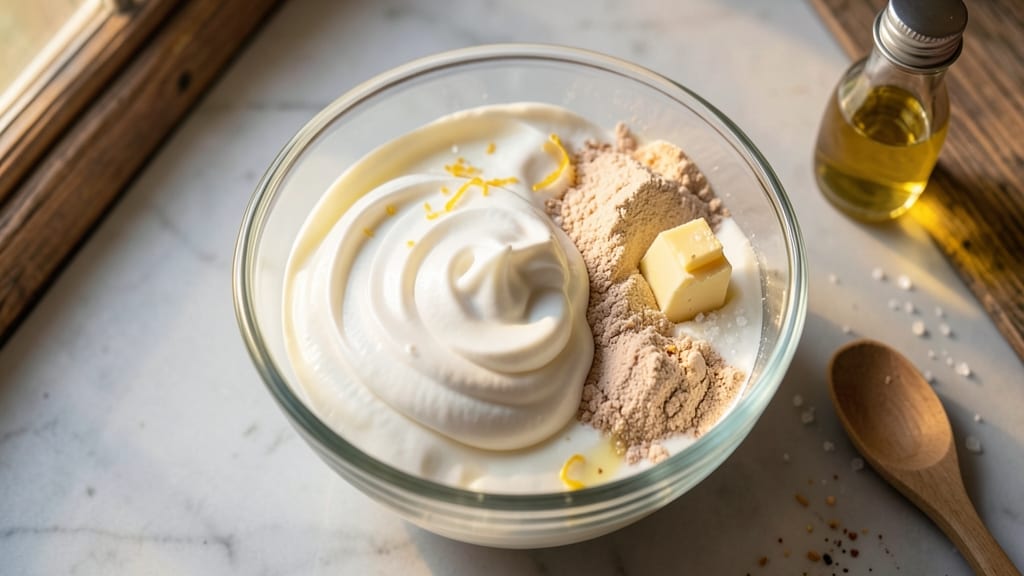
This almond macaron cookie recipe delivers the delicate crunch and nutty elegance of French patisserie—without the hours of practice. The secret lies in precise measurements and a smooth meringue base that transforms into those signature ruffled tops and tender centers.
I've perfected this technique after years of trial (and a few cracked batches), so you can achieve bakery-quality results in just 15 minutes of active prep time.
The magic happens when you whisk egg whites to stiff peaks and fold in almond flour with just the right amount of sweetness—too much sugar and they crack, too little and they lack structure.
This recipe balances both perfectly, creating cookies with a crisp exterior, chewy interior, and that signature macaron-like texture that makes them irresistible. The key is patience during the resting phase, which allows the cookies to develop their signature dome shape.
What you'll end up with is a batch of cookies that looks like it belongs in a Parisian café—golden domes with crisp edges, nutty almond flavor, and a delicate crunch that gives way to a tender center.
These aren't your average cookies; they're a sophisticated treat that pairs beautifully with tea or dessert wine. The best part? No special equipment needed beyond a stand mixer or whisk and piping bag.
Ready to impress your guests with these foolproof French-inspired cookies? The technique is simpler than it looks, and I'll walk you through every step—from meringue to baking—to ensure perfect results every time. Let's get started on creating these elegant little treats that taste like a vacation in every bite.
Ingredients for almond macaron cookie
Egg whites, almond flour, and precise sugar measurements transform into Parisian-style cookies.
| Ingredient | Amount | Notes |
|---|---|---|
| Large Egg Whites 🥚 | 4 whole | Room temperature for best volume |
| Granulated Sugar 🍚 | 1 ½ cups | Superfine preferred for smooth texture |
| Almond Flour 🌰 | 2 cups | Blanched, finely ground preferred |
| Unsalted Butter 🧈 | ½ cup | Cold, cubed for folding |
| Vanilla Extract 🌿 | 1 tsp | Pure vanilla preferred |
| Almond Extract 🌰 | ½ tsp | Pure almond extract only |
| Diamond Crystal Kosher Salt 🧂 | ¼ tsp | Fine grain for even distribution |
| Cornstarch 🌾 | 1 tbsp | For smooth meringue |
| Almond Slivers 🌰 | ¼ cup | For garnish, toasted |
| Powdered Sugar 🍚 | ½ cup | For dusting, sifted |
The egg whites are your secret weapon—room temperature makes all the difference. Whole Foods or Trader Joe's sell room-temperature eggs in the summer, but if you're working with cold ones, let them sit out for 30 minutes. Almond flour? Bob's Red Mill is my go-to brand—it's finely ground and consistent. Look for blanched almond flour specifically, as it's smoother than regular. The butter needs to be cold, so pull it out of the fridge just before you're ready to fold it in. If it's too soft, chill it for 15 minutes.
No superfine sugar? Pulse granulated sugar in a food processor for 30 seconds—it'll get you close. Running out of almond extract? Vanilla bean paste at double the amount works in a pinch, though the flavor won't be identical. The cornstarch is non-negotiable for smooth meringue—skip it and you'll get grainy cookies. For the almond slivers, toast them in a dry pan for 2-3 minutes until golden. If you can't find slivers, chop almonds into thin strips yourself. The powdered sugar should be sifted before dusting—clumps ruin the presentation.
These cookies need patience—they develop their signature dome shape during the 24-hour resting phase. Store them in an airtight container between layers of parchment paper. They'll keep for 5 days at room temperature, but honestly, they're best enjoyed fresh. For the perfect texture, bake them at 300°F for 15-18 minutes—any hotter and they'll brown too quickly. The meringue stage is delicate, so don't open the oven door until they're fully baked.
Why You'll Love This Recipe
- I’ll be real: almond flour can feel splurgy, but this recipe uses it just right—no waste, no overdoing it. The egg whites and sugar are pantry staples, and a single batch makes enough for sharing (or not, if you’re like me). Leftovers? They stay fresh for days, wrapped in parchment.
- No Stand Mixer Needed: I’ll admit—whisking egg whites to stiff peaks feels like a rite of passage, but this recipe doesn’t demand a stand mixer. A hand mixer or even a whisk (with some elbow grease) gets the job done, and those airy peaks? They’re the secret to that signature macaron texture without the fuss.
- Buttercream Magic: Here’s what sold me—the buttercream filling. Creamed butter, vanilla, and just a touch of sugar transforms these cookies into something ridiculously good. It’s not overly sweet, not too rich—just the right balance to make every bite feel like a little treat.
- Party in a Jar: Between us, these are my go-to for last-minute gatherings. They travel well, hold their shape, and the almond flour keeps them sturdy enough to stack (no crumbling!). Plus, the vanilla buttercream? It’s the kind of thing people will ask for seconds of.
Step-by-step instructions for almond macaron cookies
Here's how to create delicate, French-inspired macaron cookies with perfect texture every time.
Prepare the Meringue Base
Place the 4 whole Large Egg Whites in a spotlessly clean, grease-free mixing bowl. I use a glass bowl for this step because any trace of fat can prevent the egg whites from whipping properly. Let them sit at room temperature for 10 minutes to ensure they're fully room temperature—this helps them whip to stiff peaks.
Using a stand mixer fitted with the whisk attachment, beat the egg whites on low speed until they begin to froth. Gradually add the 1.5 cups Granulated Sugar and the 1 tbsp Cornstarch while mixing on medium-high speed. Increase the speed to high and whip for 5-7 minutes until the meringue forms stiff, glossy peaks that hold their shape when the whisk is lifted.
Here's the thing—you want to see the bowl invert without the meringue sliding off. If it doesn't hold its shape, whip for another 1-2 minutes. The meringue should be thick enough to hold its shape but still smooth enough to spread easily. I like to test it by lifting the whisk—if the peaks stay pointed, you're good to go.
Fold in Dry Ingredients and Flavors
In a separate bowl, sift together the 2 cups Almond Flour and the 0.25 tsp Diamond Crystal Kosher Salt. Gently fold one-third of the almond flour mixture into the meringue using a silicone spatula, cutting through the center to deflate it slightly. This step is crucial for preventing overmixing, which can develop gluten and make the cookies tough.
Add the 1 tsp Vanilla Extract and 0.5 tsp Almond Extract to the meringue-almond flour mixture and fold gently to combine. Then fold in the remaining almond flour mixture in two additions, being careful not to overmix. The batter should be thick, glossy, and hold its shape when spooned onto a plate—it should resemble thick pudding that holds a peak briefly before slowly spreading.
This is where patience pays off. If the batter looks too thin, fold in a bit more almond flour. If it's too thick, don't add liquid—just let it rest for 5 minutes to thicken further. The right consistency is key for those perfect macaron shells.
Pipe and Rest the Macarons
Transfer the batter to a piping bag fitted with a ¼-inch round tip. Pipe 1-inch circles onto a parchment-lined baking sheet, spacing them 1 inch apart. Tap the baking sheet firmly on the counter 3-4 times to release any air bubbles that may have formed. This step is essential for preventing cracks in the shells.
Let the macarons rest at room temperature for 30-60 minutes until they form a dry skin on top. You'll know they're ready when you can gently touch the surface without the batter sticking to your finger. This resting period allows the alcohol in the almond flour to evaporate, which prevents cracking during baking.
I like to place the baking sheet in the refrigerator for 15 minutes if my kitchen is warm and humid. The goal is to create a skin that's firm enough to hold its shape when baked, but still tender enough to create that signature macaron texture.
Bake to Delicate Perfection
Preheat your oven to 325°F. Bake the macarons for 12-15 minutes until the edges are lightly golden and the tops are set but still slightly soft to the touch. The centers should look slightly underdone—they'll continue cooking as they cool. Rotate the baking sheet halfway through baking for even heat distribution.
Here's where timing matters most. Overbaking will result in dry, crumbly cookies, while underbaking leaves them too soft. You want them to be just set enough to hold their shape but still tender. Let them cool on the baking sheet for 5 minutes before transferring to a wire rack to cool completely.
Once fully cooled, they'll have that signature macaron texture—smooth on top, slightly ruffled at the edges, and tender yet sturdy enough to hold fillings. If you're making filled macarons, this is the perfect time to add your ganache or buttercream before the shells set completely.
Add Buttercream and Garnish
Using a small offset spatula or butter knife, spread a thin layer of your favorite buttercream between two macaron shells. I like to use a simple vanilla buttercream made with the 0.5 cup Unsalted Butter, 0.5 cup Powdered Sugar, and a touch of vanilla extract. Pipe a small amount onto one shell, then gently press a second shell on top to create a sandwich.
For the final touch, toast the 0.25 cup Almond Slivers in a dry skillet over medium heat for 2-3 minutes until golden brown. Sprinkle them over the tops of the macarons just before serving. The warm almond slivers add a beautiful crunch and visual contrast to the smooth macaron shells.
Serve immediately while the buttercream is still soft and the almond slivers are warm. These cookies are best enjoyed fresh—they hold their shape and flavor for about 3 days at room temperature, but the texture is at its peak within the first 24 hours. Enjoy your bakery-style almond macaron cookies!
Pro Tips For Making Almond Macaron Cookie
- Whip Egg Whites Cold: Pop the bowl of egg whites into the freezer for 5 minutes first—this prevents over-beating and gives you stiffer, glossier meringue. I learned this the hard way when my first batch collapsed like a sad soufflé.
- Sift Almond Flour Twice: Don’t skip this—even if the bag says "fine." Sift once through a mesh sieve, then sift again into your mixing bowl. Clumps in almond flour make lumpy batter, and nobody wants a cookie with texture issues.
- Butter at Room Temp: Cut the butter into small cubes and let it sit in warm water for 10 minutes before mixing. Cold butter won’t emulsify properly, and your cookies will taste greasy instead of rich—trust me, you’ll notice the difference.
- Rest Before Baking: Let the piped macarons sit uncovered for 20-30 minutes until they form a dry skin. Skipping this step makes them crack or spread in the oven—yes, even if you’re impatient like me. (Your future self will thank you.)
Make-ahead tips for this almond macaron cookie
Prep Ahead Strategy
Macaron cookies require precision, but you can prep the batter 1 day ahead for convenience. After folding the almond flour into the meringue, transfer the batter to an airtight container and refrigerate for up to 24 hours.
Bring it to room temperature before piping—this prevents condensation that can cause cracks. The batter thickens as it rests, so you may need to fold in an extra 1 tbsp almond flour before piping. 📅
Baking in Batches
Pipe all your macarons at once and refrigerate the baking sheet for 30 minutes before baking the first batch. This ensures consistent skin formation across all cookies. Bake one sheet at a time at 325°F for 12-15 minutes—overcrowding the oven leads to uneven baking.
I like to use two baking sheets so I can rotate them halfway through for perfect golden edges. ⏰
Filling and Storage
Assemble filled macarons 24 hours after baking for optimal texture. Store unbaked shells in an airtight container with parchment paper between layers for up to 5 days at room temperature. For filled cookies, keep them refrigerated for 3 days max—the buttercream softens in heat.
I always make a fresh batch of vanilla buttercream the day I assemble them for the best flavor. ✨
Freezing for Later
Freeze unbaked shells for up to 1 month by placing them on a tray, freezing solid, then transferring to a freezer bag. Thaw at room temperature for 1 hour before baking.
For filled macarons, freeze the assembled cookies (without garnish) for 2 weeks
Macarons are best enjoyed fresh, but if you need to warm them, place filled cookies on a wire rack in a 250°F oven for 3-5 minutes to gently reheat the buttercream. Unfilled shells can be warmed for 2 minutes**—any longer and they'll lose their crispness. I avoid microwaving because it makes the shells rubbery. For best results, always serve at room temperature. 🔥 Toast almond slivers fresh before serving—they lose their crunch if stored overnight. Keep a small stash of toasted slivers in an airtight container at room temperature for up to 3 days. For powdered sugar dusting, use a fine-mesh sieve to avoid clumps. I like to dust the tops right before serving to maintain that bakery-fresh look. 🌰Reheating Tips
Garnish Freshness
Nutrition facts
Frequently asked questions
Why do my almond macaron cookies crack or collapse?
Cracking or collapsing usually happens when the batter isn't properly rested or the humidity is too high. Let the piped macarons sit for 30-60 minutes to form a skin—this prevents alcohol in the almond flour from causing cracks. If your kitchen is humid, chill the baking sheet for 15 minutes before baking. Also, make sure your egg whites are at room temperature and whipped to stiff peaks.
Can I make these without a stand mixer?
Use a hand mixer or even a whisk—just whip the egg whites on high speed for 7-10 minutes until stiff peaks form. For folding, use a silicone spatula and work gently to avoid deflating the meringue. The key is patience—fold in the almond flour in three additions to maintain the right consistency.
How do I get the perfect dome shape?
The dome forms during the 24-hour resting phase after baking. Store them in an airtight container between layers of parchment paper. The longer they rest (up to 5 days at room temperature), the more pronounced the dome becomes. For immediate results, chill the baked cookies for 1 hour before serving—they'll develop a slight dome shape faster.
What's the difference between these and traditional macarons?
These almond macaron cookies are simpler—they skip the ganache filling and focus on the shell itself. Traditional macarons have a sandwich-style filling and require precise weight measurements for the meringue. These cookies use a thicker batter that bakes into a single, crisp-yet-chewy treat with a ruffled edge, while classic macarons have smooth tops and bottoms.
Can I use almond butter instead of almond flour?
Not recommended—almond butter will make the texture too dense and oily. The recipe relies on the fine texture of almond flour for that signature delicate crunch. If you're out of almond flour, you can blend whole almonds into a fine powder (food processor, 1-2 minutes), but it won't be as smooth. The flavor will also be slightly more intense.